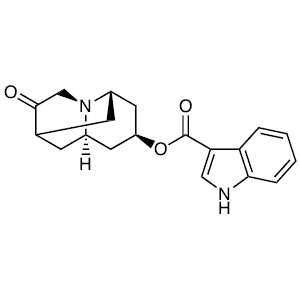
Luzindole is a chemical compound widely used in pharmacological and biochemical research. As a pharmaceutical research reagent, it plays a crucial role in experimental studies aimed at understanding biological systems and neural responses to various stimuli. Its ability to modulate enzyme activity makes it an essential tool for investigating molecular mechanisms within living organisms. In laboratory settings, Luzindole is employed to study the effects of chemical compounds on cells and tissues, contributing to the development of new therapeutic strategies. Its chemical stability under specific conditions ensures reliable results over extended periods, making it a valuable asset in both academic and industrial research environments.
Luzindole is preferred due to its molecular structure that allows for clear interactions with biological receptors. This specificity enhances the accuracy of experimental outcomes, making it ideal for studies requiring precision. Additionally, its resistance to degradation ensures consistent performance across repeated experiments. These properties make Luzindole a reliable choice for researchers seeking to explore the biochemical pathways and physiological responses influenced by external factors. Its stability and molecular clarity contribute to its widespread use in both basic and applied research.
In Indonesian laboratories, Luzindole is commonly used in pharmacology and biochemical research. It supports investigations into drug mechanisms, receptor interactions, and cellular responses. Its role in experimental studies helps scientists develop new treatments and understand complex biological processes. The compound is particularly valued for its reliability and consistent performance, which are critical in scientific research. Its application in Indonesian labs reflects its importance in advancing scientific knowledge and innovation.
TCI brochures (PDF)
- Pharmaceutical Ingredients for Research and Experimental Use 2026-03-09 · p. 28
- Pharmacological research for studying drug-receptor interactions and enzyme modulation.
- Biochemical experiments to analyze molecular mechanisms and cellular responses.
- Neuropharmacological studies to explore the effects of chemical compounds on neural systems.
- Drug development projects to assess the efficacy and safety of potential therapeutic agents.
- Toxicological investigations to evaluate the impact of chemical substances on biological systems.
| Brand | TCI |
|---|---|
| CAS number | 117946-91-5 |
| Molecular formula | — |
| Purity | — |
| Category | Life Science > Biochemicals and Reagents > Pharmaceutical Research Reagents |
| Pack sizes | Available in various quantities as per standard laboratory requirements |
| Physical form | Solid (as per standard product description) |
| Storage | Store in a cool, dry place away from light and moisture |
Luzindole should be stored in a cool, dry environment, away from direct light and moisture to maintain its chemical stability. It is recommended to use airtight containers to prevent exposure to air and potential contaminants. Proper labeling of storage containers is essential for safety and traceability. Laboratory personnel should wear appropriate personal protective equipment when handling the compound to minimize exposure risks. Regular monitoring of storage conditions ensures the integrity of the material. Adherence to standard safety protocols is crucial to maintain a safe working environment.
—
Product Categories
- Biochemicals and ReagentsPharmaceutical Research Reagents (for Experimental Use)Neurotransmitter Agent Ingredients (for Research and Experimental Use)
- Cell BiologyBioactive Small Molecules
- Pharmaceutical Development and Drug Discovery ResearchPharmaceutical Research Reagents (for Experimental Use)Neurotransmitter Agent Ingredients (for Research and Experimental Use)
Produk Terkait
-
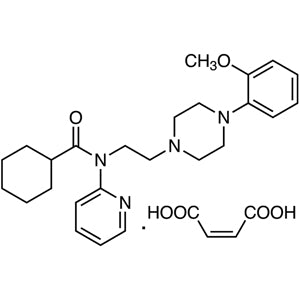
WAY-100635Maleate TCI W0016
Regular price From Rp 5.247.900,00Regular price -
TolazolineHydrochloride TCI T3791
Regular price Rp 1.644.300,00Regular price -
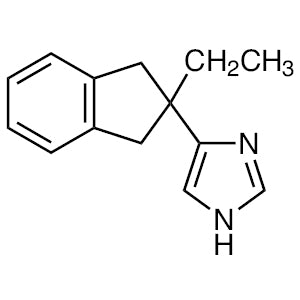
Atipamezole TCI A3259
Regular price From Rp 3.630.900,00Regular price -
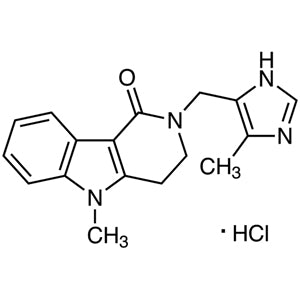
AlosetronHydrochloride TCI A3197
Regular price Rp 2.757.300,00Regular price -
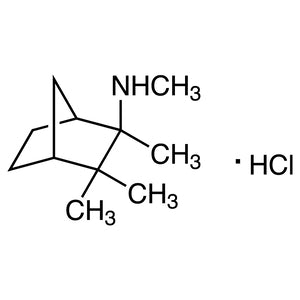
MecamylamineHydrochloride TCI M3503
Regular price Rp 5.300.400,00Regular price -
Istradefylline TCI I1100
Regular price From Rp 2.306.850,00Regular price -
Flibanserin TCI F1239
Regular price From Rp 2.254.350,00Regular price -
Dolasetron TCI D5820
Regular price From Rp 3.630.900,00Regular price