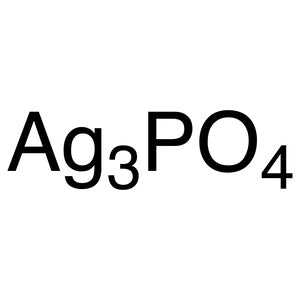
Silver(I) Phosphate (Ag₃PO₄) is an inorganic compound widely used in laboratory settings for its unique chemical properties and reactivity. It plays a crucial role in chemical experiments, particularly in catalysis and inorganic chemistry, where it serves as a catalyst or reactive component in various synthesis processes. This compound is essential for studying the reactivity of silver ions and their interactions with phosphate ions, making it a valuable tool in both research and educational environments. Its application extends to the study of redox reactions and the behavior of transition metals in chemical systems.
One of the key reasons Silver(I) Phosphate is preferred in laboratories is its chemical stability under controlled conditions, despite its sensitivity to moisture and air exposure. Its crystalline structure also makes it suitable for use in quantitative and qualitative analysis. The compound’s ability to participate in specific chemical reactions with silver and phosphate ions makes it a reliable choice for experiments requiring precise chemical interactions. Its predictable behavior under laboratory conditions ensures consistent results in chemical investigations.
In Indonesian laboratories, Silver(I) Phosphate is commonly used in inorganic chemistry research, catalytic studies, and the synthesis of metal complexes. It is also utilized in university-level education to help students understand the mechanisms of chemical reactions and the properties of transition metals. Its role in both research and teaching underscores its importance in the chemical sciences within the region.
TCI brochures (PDF)
- Metallic Salts 2025-11-06 · p. 8
- Transition Metal Catalysts 2026-04-10 · p. 16
Related TCI products
- Inorganic Chemistry Research: Silver(I) Phosphate is used to study the reactivity of silver ions and their interactions with phosphate, aiding in the development of new chemical compounds.
- Catalytic Processes: It serves as a catalyst in various reactions, particularly those involving redox mechanisms, due to its ability to facilitate electron transfer.
- Metal Complex Synthesis: The compound is a key reagent in the formation of metal complexes, where it provides a source of silver ions for coordination chemistry studies.
- Quantitative Analysis: Its crystalline structure and known chemical properties make it suitable for use in analytical techniques that require precise reagent behavior.
- Educational Demonstrations: It is commonly used in university labs to illustrate chemical reactions involving transition metals and phosphate ions, enhancing student understanding.
| Brand | TCI |
|---|---|
| CAS number | 7784-09-0 |
| Molecular formula | — |
| Purity | — |
| Category | Chemistry > Catalysis and Inorganic Chemistry > Transition Elements |
| Pack sizes | Available in various quantities as per supplier specifications |
| Physical form | Solid powder |
| Storage | Should be stored in a dry, airtight container to prevent moisture exposure |
Silver(I) Phosphate should be stored in a cool, dry place away from moisture and air exposure to maintain its chemical integrity. It is recommended to use airtight containers made of glass or inert plastic to prevent degradation. Due to its sensitivity, it is important to handle the compound in a controlled environment, avoiding prolonged exposure to humidity. Laboratory personnel should wear appropriate personal protective equipment when handling the material. Regular monitoring of storage conditions ensures the compound remains stable and suitable for use in experiments. Proper storage practices help preserve its reactivity and ensure safe handling in both research and educational settings.
—
Produk Terkait
-
SilverHexafluorophosphate TCI S0981
Regular price From Rp 1.829.100,00Regular price -
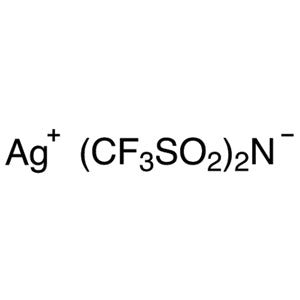
SilverBis(trifluoromethanesulfonyl)imide TCI S0898
Regular price From Rp 5.485.200,00Regular price -
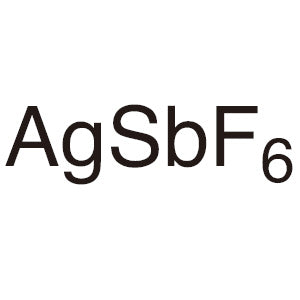
SilverHexafluoroantimonate(V) TCI S0463
Regular price Rp 3.155.250,00Regular price -
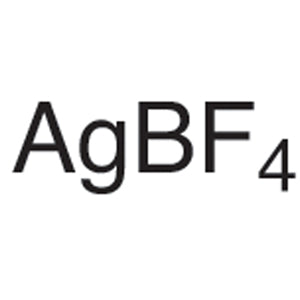
SilverTetrafluoroborate TCI S0446
Regular price From Rp 2.650.200,00Regular price -
PotassiumSilver(I)Cyanide TCI P3370
Regular price Rp 848.400,00Regular price -
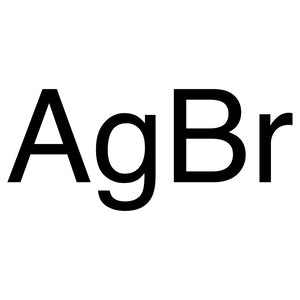
Silver(I)Bromide TCI I1258
Regular price From Rp 1.644.300,00Regular price -
Silver(I)Nitrate TCI I1245
Regular price From Rp 795.900,00Regular price -
Silver(I)Sulfate TCI I1244
Regular price From Rp 795.900,00Regular price