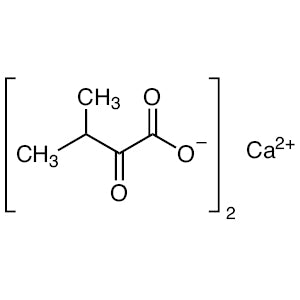
Calcium 3-Methyl-2-oxobutyrate is a chemical compound widely used in laboratory settings for the synthesis of complex organic molecules. This compound serves as a building block in various chemical reactions, particularly in the modification of molecular structures. Its role in organic chemistry is critical, as it enables the formation of more complex compounds through substitution and coupling reactions. As a key reagent, it is essential for researchers aiming to develop new chemical entities with specific functional properties.
The compound is valued for its high purity and chemical stability under controlled conditions, making it a reliable choice for laboratory applications. Its molecular structure allows for good reactivity across a range of reaction conditions, which is crucial for achieving desired chemical transformations. These properties make it an ideal candidate for use in both academic and industrial research environments. Its consistent performance and predictable behavior contribute to the reproducibility of experimental results.
In Indonesian laboratories, Calcium 3-Methyl-2-oxobutyrate is commonly used in organic chemistry and pharmaceutical research. It plays a vital role in the development of new drugs and chemical compounds with broad applications in healthcare and industry. Its presence in scientific studies supports the advancement of chemical synthesis techniques and contributes to the creation of innovative materials and therapeutic agents.
Related TCI products
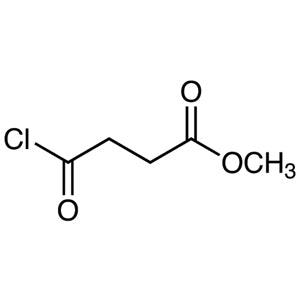
- TCI M2850 1490-25-1 Methyl 4-Chloro-4-oxobutyrate
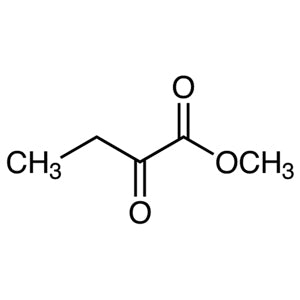
- TCI M2369 3952-66-7 Methyl 2-Oxobutyrate
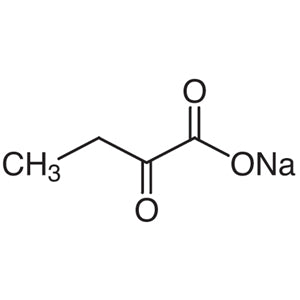
- TCI K0040 2013-26-5 Sodium 2-Oxobutyrate
- TCI S0808 948995-62-8 Succinimidyl 4-[3,5-Dimethyl-4-(4-nitrobenzyloxy)phenyl]-4-oxobutyrate
- TCI E1087 571-55-1 Ethyl 2-(Ethoxymethylene)-4,4,4-trifluoro-3-oxobutyrate
- TCI T2208 52698-46-1 Trimethyl Orthoisobutyrate
- Organic synthesis of complex compounds benefits from Calcium 3-Methyl-2-oxobutyrate due to its reactivity and structural versatility, enabling the formation of diverse molecular frameworks.
- Pharmaceutical research utilizes this compound as a key reagent in the development of new drug molecules, supporting the design of compounds with targeted biological activities.
- Structural modification of organic molecules relies on this compound’s ability to participate in substitution and coupling reactions, enhancing the diversity of synthetic pathways.
- Chemical research in Indonesia frequently incorporates this compound to explore novel synthetic strategies and functional group transformations.
- Industrial applications in chemical manufacturing leverage its stability and reactivity for the production of specialized chemical intermediates.
| Brand | TCI |
|---|---|
| CAS number | 51828-94-5 |
| Molecular formula | — |
| Purity | — |
| Category | Chemistry > Building Blocks > Non-Heterocyclic Building Blocks |
| Pack sizes | Available in various quantities as per supplier specifications |
| Physical form | Solid (as per standard product description) |
| Storage | Store in a cool, dry place away from moisture and direct sunlight |
Calcium 3-Methyl-2-oxobutyrate should be stored in a cool, dry environment to maintain its chemical stability and prevent degradation. It is recommended to keep the compound in airtight containers to minimize exposure to moisture and air, which could affect its purity. Proper labeling of storage containers is essential for safe handling and identification. In laboratory settings, it is important to ensure that the compound is handled in a well-ventilated area to avoid any potential inhalation risks. General laboratory precautions include wearing appropriate personal protective equipment, such as gloves and safety goggles, when handling the material. Regular monitoring of storage conditions ensures the compound remains suitable for use in chemical synthesis and research applications.
—
Produk Terkait
-
Methyl4-Chloro-4-oxobutyrate TCI M2850
Regular price From Rp 1.829.100,00Regular price -
Methyl2-Oxobutyrate TCI M2369
Regular price Rp 4.188.450,00Regular price -
Sodium2-Oxobutyrate TCI K0040
Regular price Rp 3.048.150,00Regular price -
Succinimidyl4-[3,5-Dimethyl-4-(4-nitrobenzyloxy)phenyl]-4-oxobutyrate TCI S0808
Regular price Rp 5.062.050,00Regular price -
Ethyl2-(Ethoxymethylene)-4,4,4-trifluoro-3-oxobutyrate TCI E1087
Regular price From Rp 1.326.150,00Regular price -
TrimethylOrthoisobutyrate TCI T2208
Regular price Rp 2.411.850,00Regular price -
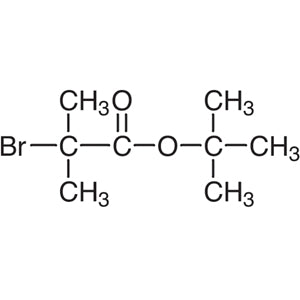
tert-Butyl2-Bromoisobutyrate TCI B3500
Regular price From Rp 584.850,00Regular price -
Methyl4-Bromobutyrate TCI B2308
Regular price From Rp 2.094.750,00Regular price
![948995-62-8 Succinimidyl 4-[3,5-Dimethyl-4-(4-nitrobenzyloxy)phenyl]-4-oxobutyrate - AMI Scientific](http://amiscientific.com/cdn/shop/files/TCI2510S0808.jpg?v=1769057698&width=533)