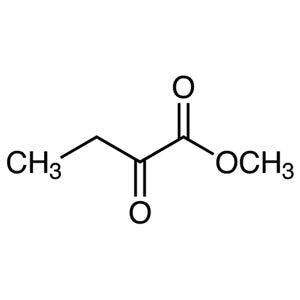
Methyl 2-Oxobutyrate, CAS number 3952-66-7, is the methyl ester of 2-oxobutanoic acid, an alpha-keto ester carrying a ketone group and an ester group on adjacent carbon atoms. This arrangement of two neighbouring carbonyl groups produces a highly reactive electrophilic centre and makes the compound a valuable non-heterocyclic building block. In the laboratory it is used to construct amino acid frameworks, hydroxy esters, and a range of heterocyclic systems through condensation reactions with nitrogen nucleophiles, giving synthetic chemists a compact entry point into several classes of target molecules.
The property that makes this alpha-keto ester such a frequent choice is the strong polarisation of the ketone carbon caused by the electron-withdrawing pull of the adjacent ester group. As a result, that carbon is readily attacked by organometallic reagents, enolates, and amines, and it also serves as an excellent substrate for asymmetric reduction and reductive amination toward derivatives rich in stereogenic centres. The ester group itself remains available for hydrolysis or transesterification at a later stage of a synthetic sequence, allowing chemists to plan multi-step routes around a single starting material.
Because it is a liquid at room temperature, the material is straightforward to add in portions and to mix with dry organic solvents, which suits both small-scale exploratory reactions and more carefully controlled preparations. In Indonesia, compounds of the alpha-keto ester class are widely needed in synthetic and medicinal chemistry research, where laboratories in universities, research institutes, and industrial development groups rely on well-characterised building blocks of this kind.
Related TCI products
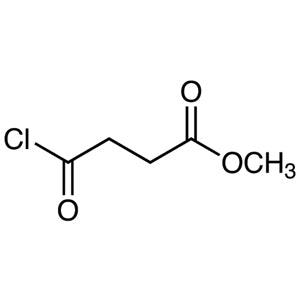
- TCI M2850 1490-25-1 Methyl 4-Chloro-4-oxobutyrate
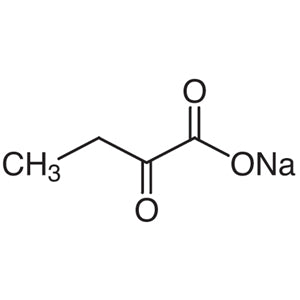
- TCI K0040 2013-26-5 Sodium 2-Oxobutyrate
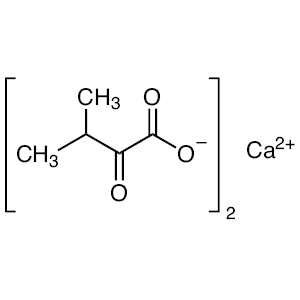
- TCI K0021 51828-94-5 Calcium 3-Methyl-2-oxobutyrate
- TCI S0808 948995-62-8 Succinimidyl 4-[3,5-Dimethyl-4-(4-nitrobenzyloxy)phenyl]-4-oxobutyrate
- TCI E1087 571-55-1 Ethyl 2-(Ethoxymethylene)-4,4,4-trifluoro-3-oxobutyrate
- TCI T2208 52698-46-1 Trimethyl Orthoisobutyrate
- Amino acid framework construction: the activated ketone carbon condenses readily with nitrogen nucleophiles, letting researchers assemble amino acid skeletons from a single compact and reliable starting material.
- Heterocycle synthesis: condensation with nitrogen-containing nucleophiles gives access to a range of heterocyclic systems, making this non-heterocyclic building block a practical precursor for ring formation.
- Asymmetric reduction studies: the strongly polarised ketone carbon is an excellent substrate for asymmetric reduction, producing hydroxy ester derivatives that carry well-defined stereogenic centres.
- Reductive amination routes: the adjacent carbonyl groups make the compound a preferred substrate for reductive amination, delivering amine derivatives that are rich in stereochemical information.
- Organometallic and enolate additions: the electrophilic ketone carbon is readily attacked by organometallic reagents and enolates, supporting carbon-carbon bond formation in multi-step synthetic sequences.
| Brand | TCI |
|---|---|
| CAS number | 3952-66-7 |
| Molecular formula | — |
| Purity | — |
| Category | Chemistry > Building Blocks > Non-Heterocyclic Building Blocks |
| Pack sizes | available in the standard TCI catalogue pack sizes; please confirm the size required when ordering |
| Physical form | liquid at room temperature |
| Storage | keep in a tightly closed container as described below |
- Product code: M2369
Store the material in a tightly closed original container, kept cool and away from direct sunlight, heat sources, and any incompatible reagents. As an alpha-keto ester that is liquid at room temperature, it should be protected from moisture and handled with dry glassware and dry organic solvents when used in sensitive reactions. Dispense inside a functioning fume hood, and wear safety glasses, gloves, and a laboratory coat. Always consult the manufacturer's safety data sheet before use, and follow local institutional rules for handling, transfer, and chemical waste disposal.
—
Produk Terkait
-
Methyl4-Chloro-4-oxobutyrate TCI M2850
Regular price From Rp 1.829.100,00Regular price -
Sodium2-Oxobutyrate TCI K0040
Regular price Rp 3.048.150,00Regular price -
Calcium3-Methyl-2-oxobutyrate TCI K0021
Regular price Rp 3.870.300,00Regular price -
Succinimidyl4-[3,5-Dimethyl-4-(4-nitrobenzyloxy)phenyl]-4-oxobutyrate TCI S0808
Regular price Rp 5.062.050,00Regular price -
Ethyl2-(Ethoxymethylene)-4,4,4-trifluoro-3-oxobutyrate TCI E1087
Regular price From Rp 1.326.150,00Regular price -
TrimethylOrthoisobutyrate TCI T2208
Regular price Rp 2.411.850,00Regular price -
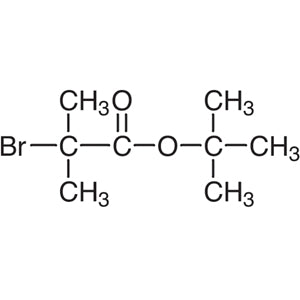
tert-Butyl2-Bromoisobutyrate TCI B3500
Regular price From Rp 584.850,00Regular price -
Methyl4-Bromobutyrate TCI B2308
Regular price From Rp 2.094.750,00Regular price
![948995-62-8 Succinimidyl 4-[3,5-Dimethyl-4-(4-nitrobenzyloxy)phenyl]-4-oxobutyrate - AMI Scientific](http://amiscientific.com/cdn/shop/files/TCI2510S0808.jpg?v=1769057698&width=533)