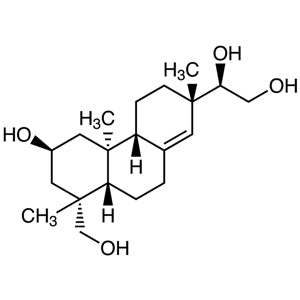
Kirenol is a chemical compound widely used in life sciences and biochemical research. It serves as a key reagent in experiments involving natural compounds with biological activity. This compound is particularly valuable for studying the effects of plant-derived substances in pharmacological and biomedical contexts. Its role in laboratory settings includes testing biological effects, antioxidant activity, and metabolic pathway interactions. Kirenol is an essential tool for researchers aiming to explore the potential of natural products in drug development and therapeutic applications.
Kirenol is preferred due to its stable chemical properties and complex molecular structure. It is available in pure solid form and dissolves well in organic solvents, making it versatile for various experimental setups. Its chemical stability under specific conditions ensures consistent results in repeated experiments. Additionally, its ability to be used across different research scales—from small to large—makes it a reliable choice for both academic and industrial laboratories. These characteristics contribute to its popularity among scientists working in natural product research.
In Indonesian laboratories, Kirenol is commonly used in scientific research, especially in pharmacology, biochemistry, and environmental science. It plays a crucial role in experiments that aim to understand the biological mechanisms of natural compounds. Researchers in Indonesia rely on Kirenol for its reliability and effectiveness in testing the potential of plant-based substances for medical and scientific applications. Its presence in local research facilities highlights its importance in advancing scientific knowledge in the region.
- Pharmacological research utilizes Kirenol to investigate the biological effects of natural compounds in drug development.
- Biochemical studies employ Kirenol to analyze antioxidant properties and metabolic pathway interactions in experimental models.
- Environmental science experiments use Kirenol to assess the impact of plant-derived substances on ecological systems.
- Biomedical research incorporates Kirenol to explore its potential in therapeutic applications and disease treatment.
- Natural product screening benefits from Kirenol’s ability to test the efficacy of plant-based compounds in various experimental conditions.
| Brand | TCI |
|---|---|
| CAS number | 52659-56-0 |
| Molecular formula | — |
| Purity | — |
| Category | Life Science > Biochemicals and Reagents > Crude Medicine Ingredients for Research and Experimental Use |
| Pack sizes | Available in standard research quantities |
| Physical form | Pure solid |
| Storage | Store in a cool, dry place away from direct light |
Kirenol should be stored in a cool, dry environment to maintain its chemical stability. It is recommended to keep it in airtight containers to prevent exposure to moisture and air. Due to its organic nature, it is best stored in glass or polyethylene containers to avoid chemical interactions. Laboratory personnel should handle Kirenol with care, using appropriate personal protective equipment when necessary. Proper labeling and storage conditions ensure the compound remains effective for research purposes. Always follow standard laboratory safety protocols to minimize risks associated with chemical handling.
—
Produk Terkait
-
TCI B5774 5,10-Bis(4,4,5,5-tetramethyl-1,3,2-dioxaborolan-2-yl)naphtho[1,2-c:5,6-c']bis([1,2,5]oxadiazole)
Regular price Rp 10.255.350,00Regular price -
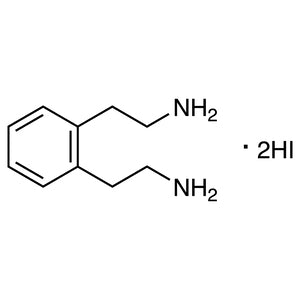
Dihydroiodide TCI B6569
Regular price From Rp 1.936.200,00Regular price -
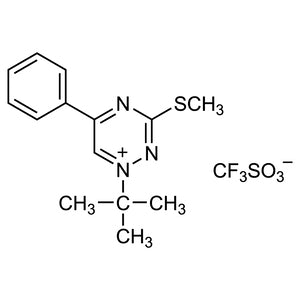
Trifluoromethanesulfonate TCI B7003
Regular price From Rp 1.936.200,00Regular price
![5,10-Bis(4,4,5,5-tetramethyl-1,3,2-dioxaborolan-2-yl)naphtho[1,2-c:5,6-c']bis([1,2,5]oxadiazole) - TCI B5774 - AMI Scientific](http://amiscientific.com/cdn/shop/files/TCI2510B5774.jpg?v=1769180228&width=533)