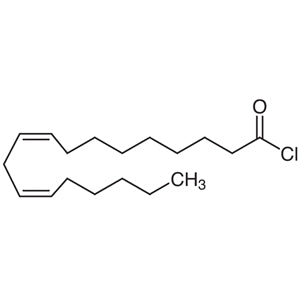
Linoleoyl Chloride (TCI L0113), with CAS number 7459-33-8, is a chemical compound widely used in laboratory settings for organic synthesis reactions. It serves as a key building block in the development of complex organic molecules, particularly in reactions involving ester formation and substitution. Its molecular structure, which includes a long carbon chain and a chloride group, makes it highly versatile in various chemical transformations. This compound is essential for researchers aiming to create new compounds with specific functional groups or structural features.
The chemical properties of Linoleoyl Chloride make it a preferred choice in laboratory applications. It exhibits high reactivity under certain conditions, such as elevated temperatures or humidity, which allows it to participate in a wide range of chemical reactions. Its high boiling point and ability to interact with various organic reagents further enhance its utility. These characteristics enable it to be used in both standard and specialized synthetic protocols, making it a reliable material for organic chemists.
In Indonesian laboratories, Linoleoyl Chloride is commonly used in organic chemistry research, particularly in pharmaceutical and material science applications. Its role in the synthesis of new compounds with industrial or medical applications makes it an important tool for researchers. The compound’s versatility and reactivity ensure its continued use in diverse scientific investigations.
TCI brochures (PDF)
- Lipids 2025-12-17 · p. 7
- Organic synthesis for ester formation and substitution reactions due to its reactive chloride group and long carbon chain.
- Development of pharmaceutical compounds where functional group modification is required for drug design and optimization.
- Creation of advanced materials through polymerization and cross-linking processes involving organic reagents.
- Research in biochemistry for the synthesis of lipid derivatives and membrane-related compounds.
- Analytical chemistry applications for the preparation of standard reference materials and calibration solutions.
| Brand | TCI |
|---|---|
| CAS number | 7459-33-8 |
| Molecular formula | — |
| Purity | — |
| Category | Chemistry > Building Blocks > Non-Heterocyclic Building Blocks |
| Pack sizes | Available in various sizes as per supplier specifications |
| Physical form | Liquid |
| Storage | Store in a cool, dry place away from light and moisture |
Linoleoyl Chloride should be stored in a cool, dry environment, away from direct sunlight and sources of heat. It is recommended to keep the compound in a sealed container to prevent exposure to moisture and air, which can affect its stability. Due to its reactivity, it should be handled in a well-ventilated area, preferably under a fume hood, to minimize inhalation risks. Avoid contact with skin and eyes, and use appropriate personal protective equipment such as gloves and safety goggles. The compound is not flammable but may react with certain substances, so it should be stored separately from incompatible materials. Regular monitoring of storage conditions is essential to maintain its chemical integrity and ensure safe laboratory practices.
—
Produk Terkait
-
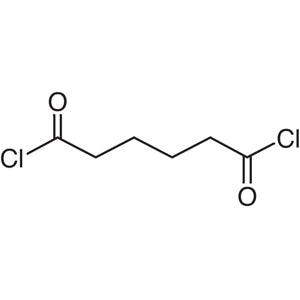
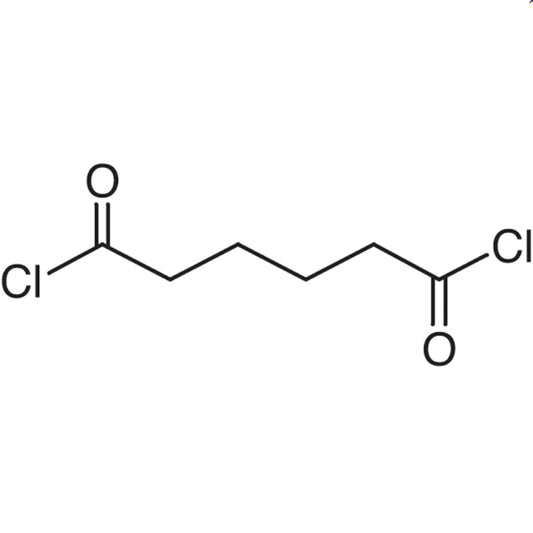
AdipoylChloride TCI A0169
Regular price From Rp 1.220.100,00Regular price -
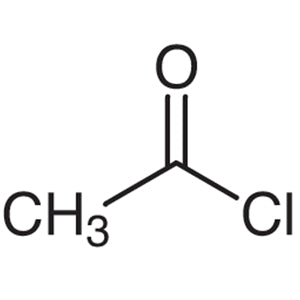
AcetylChloride TCI A0082
Regular price From Rp 795.900,00Regular price -
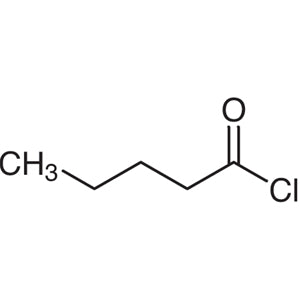
ValerylChloride TCI V0010
Regular price From Rp 955.500,00Regular price -
UndecanoylChloride TCI U0026
Regular price From Rp 1.538.250,00Regular price -
10-UndecenoylChloride TCI U0008
Regular price From Rp 1.353.450,00Regular price -
ButyrylChloride TCI B0770
Regular price From Rp 530.250,00Regular price -
AzelaoylChloride TCI A0562
Regular price Rp 2.411.850,00Regular price -
MyristoylChloride TCI T0086
Regular price From Rp 1.220.100,00Regular price