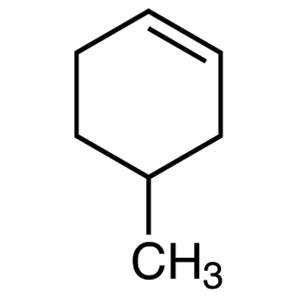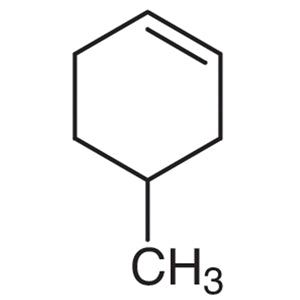
4-Methyl-1-cyclohexene is an organic compound widely used in chemical reactions for the synthesis of complex molecules. It serves as a fundamental building block in laboratory settings, particularly in the development of both heterocyclic and non-heterocyclic compounds. Its unique structure, featuring a cyclohexene ring with a methyl group at the fourth position, contributes to its distinctive reactivity. This compound is essential for chemists aiming to create intricate molecular structures through addition or substitution reactions.
The compound exhibits chemical stability under certain conditions, yet it is highly reactive towards addition reactions, such as those involving acids, bases, or other reagents. This reactivity makes it a preferred choice for reactions requiring the breaking of double bonds or the formation of new bonds. Its versatility allows it to be used in a variety of synthetic pathways, especially where precision and control are critical.
In Indonesian laboratories, 4-Methyl-1-cyclohexene is commonly found in organic chemistry research, particularly in academic institutions and research organizations. It plays a vital role in both educational and experimental processes, supporting the development of new chemical compounds and advancing scientific knowledge.
- Organic synthesis of complex molecules where controlled addition reactions are required
- Development of non-heterocyclic compounds through substitution and functional group transformations
- Research in polymer chemistry for creating specialized monomers and reactive intermediates
- Teaching and experimental use in undergraduate and graduate chemistry courses
- Investigation of reaction mechanisms involving double bond cleavage and new bond formation
| Brand | TCI |
|---|---|
| CAS number | 591-47-9 |
| Molecular formula | — |
| Purity | — |
| Category | Chemistry > Building Blocks > Non-Heterocyclic Building Blocks |
| Pack sizes | Available in standard laboratory quantities |
| Physical form | Liquid |
| Storage | — |
4-Methyl-1-cyclohexene should be stored in a cool, dry, and well-ventilated area away from direct sunlight. It is recommended to keep the compound in a sealed, airtight container made of glass or high-density polyethylene to prevent contamination and evaporation. Due to its reactivity, it should be handled with care, using appropriate personal protective equipment such as gloves and safety goggles. It is important to ensure that the storage area is free from incompatible materials, such as strong oxidizing agents or reactive metals. Regular monitoring of the storage conditions is advised to maintain the compound's stability and effectiveness in laboratory applications.
—
Produk Terkait
-
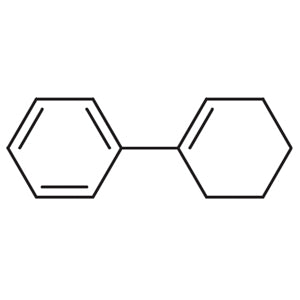
1-Phenyl-1-cyclohexene TCI P1302
Regular price From Rp 1.298.850,00Regular price -
4-Methyl-1-cyclohexene TCI M2201
Regular price From Rp 1.538.250,00Regular price -
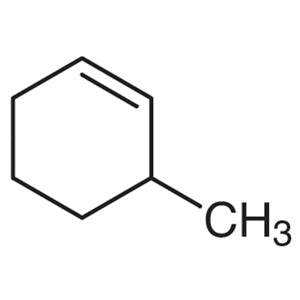
3-Methyl-1-cyclohexene TCI M1034
Regular price From Rp 2.730.000,00Regular price -
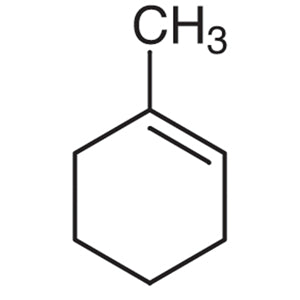
1-Methyl-1-cyclohexene TCI M0200
Regular price From Rp 2.916.900,00Regular price -
1-Ethynyl-1-cyclohexene TCI E1178
Regular price Rp 1.431.150,00Regular price -
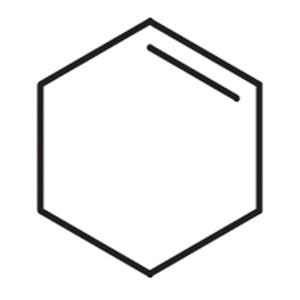
Cyclohexene TCI C0491
Regular price From Rp 505.050,00Regular price -
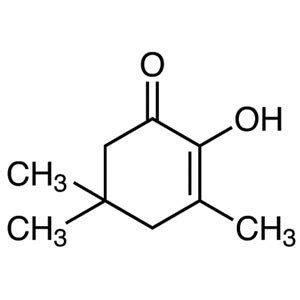
2-Hydroxy-3,5,5-trimethyl-2-cyclohexen-1-one TCI T2723
Regular price Rp 1.273.650,00Regular price -
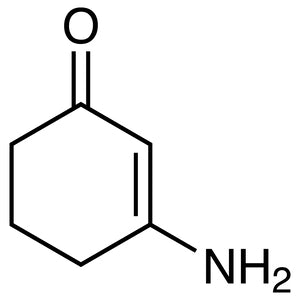
3-Amino-2-cyclohexen-1-one TCI A1936
Regular price From Rp 1.510.950,00Regular price