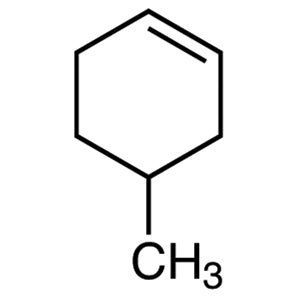
4-Methyl-1-cyclohexene is a chemical compound widely used in organic reactions to construct complex molecular structures. As a building block in organic synthesis, it serves as a fundamental component for creating a variety of organic compounds. This compound plays a crucial role in laboratory settings, where it is employed in multiple synthetic processes to develop new materials and pharmaceuticals. Its versatility makes it a valuable asset for researchers aiming to explore chemical transformations and functional group modifications.
The compound is known for its stable molecular structure and relatively high reactivity, which makes it suitable for various chemical reactions. Its physical properties, such as relatively high boiling and melting points, facilitate handling during heating and cooling processes. These characteristics ensure consistency and precision in experimental outcomes, making it a preferred choice for laboratory applications. Additionally, its chemical stability allows for reliable performance in different reaction conditions, enhancing its utility in both academic and industrial research.
In Indonesian laboratories, 4-Methyl-1-cyclohexene is commonly used in chemical research, particularly in the development of pharmaceutical compounds and industrial chemicals. It is a key reagent in organic synthesis, supporting the work of research institutions and universities. Its application spans across multiple fields, including medicinal chemistry and materials science, contributing to the advancement of scientific knowledge in the region.
- Organic synthesis is a primary application where 4-Methyl-1-cyclohexene is used to build complex molecular structures through various reaction mechanisms.
- Pharmaceutical research benefits from this compound as it is involved in the synthesis of drug molecules and bioactive compounds.
- Industrial chemical production utilizes this reagent for the creation of specialty chemicals and polymers.
- Academic research in chemistry relies on 4-Methyl-1-cyclohexene for studying reaction mechanisms and molecular transformations.
- Material science applications involve this compound in the development of new materials with specific chemical properties.
| Brand | TCI |
|---|---|
| CAS number | 591-47-9 |
| Molecular formula | — |
| Purity | — |
| Category | Chemistry > Building Blocks > Non-Heterocyclic Building Blocks |
| Pack sizes | Available in various quantities as per supplier specifications |
| Physical form | Liquid |
| Storage | Store in a cool, dry place away from light and incompatible substances |
4-Methyl-1-cyclohexene should be stored in a cool, dry environment, away from direct sunlight and sources of heat. It is recommended to use airtight containers made of materials compatible with organic solvents to prevent evaporation and contamination. The compound should be kept in a well-ventilated area to minimize exposure to vapors. Laboratory personnel should wear appropriate personal protective equipment, such as gloves and safety goggles, when handling this substance. It is important to avoid contact with incompatible materials, such as strong oxidizing agents, to ensure safe storage and usage. Regular inspection of storage conditions is advised to maintain the integrity and safety of the compound.
—
Produk Terkait
-
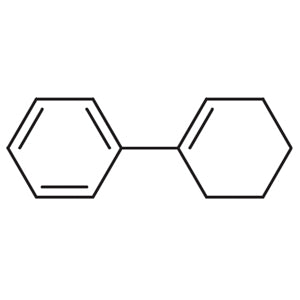
1-Phenyl-1-cyclohexene TCI P1302
Regular price From Rp 1.298.850,00Regular price -
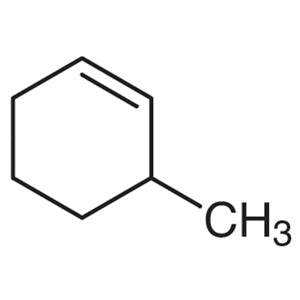
3-Methyl-1-cyclohexene TCI M1034
Regular price From Rp 2.730.000,00Regular price -
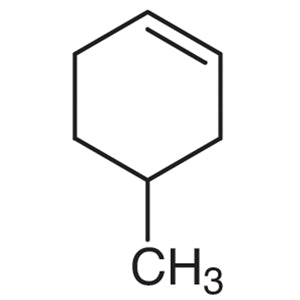
4-Methyl-1-cyclohexene TCI M0201
Regular price From Rp 903.000,00Regular price -
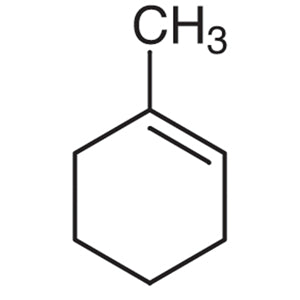
1-Methyl-1-cyclohexene TCI M0200
Regular price From Rp 2.916.900,00Regular price -
1-Ethynyl-1-cyclohexene TCI E1178
Regular price Rp 1.431.150,00Regular price -
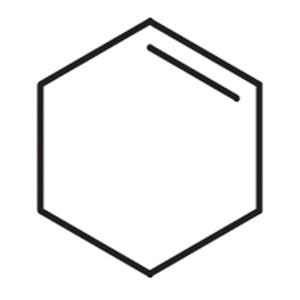
Cyclohexene TCI C0491
Regular price From Rp 505.050,00Regular price -
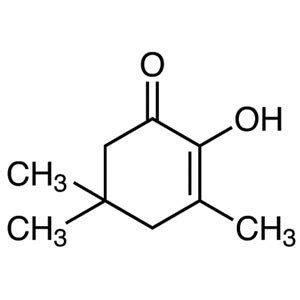
2-Hydroxy-3,5,5-trimethyl-2-cyclohexen-1-one TCI T2723
Regular price Rp 1.273.650,00Regular price -
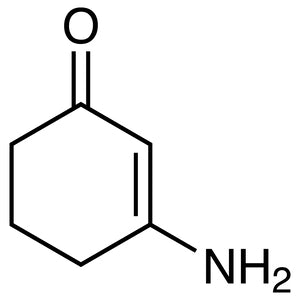
3-Amino-2-cyclohexen-1-one TCI A1936
Regular price From Rp 1.510.950,00Regular price