1-Phenyl-1-cyclohexene is an organic compound widely used in chemical reactions for the synthesis of complex molecules. As a fundamental building block in organic chemistry, it serves as a versatile intermediate in various synthetic pathways. Its simple yet adaptable structure allows for multiple reaction types, including substitution and addition reactions, making it a valuable resource in laboratory settings. This compound is commonly found in chemical laboratories where researchers aim to develop new compounds with specific functional groups or molecular frameworks.
The compound exhibits chemical stability under normal conditions but shows reactivity in specific environments, which makes it suitable for targeted synthetic applications. It is non-polar in nature and dissolves easily in organic solvents such as ethyl acetate and chloroform. These solubility characteristics make it ideal for reactions requiring non-polar environments. Additionally, its high boiling point and low vapor pressure facilitate efficient evaporation and separation processes in laboratory procedures.
In Indonesian laboratories, 1-Phenyl-1-cyclohexene is extensively used in research focused on pharmaceuticals, materials science, and organic chemistry. Its role in creating complex molecular structures supports advancements in drug development and material innovation. The compound’s predictable behavior and compatibility with standard laboratory techniques make it a reliable choice for both academic and industrial research projects.
- Organic synthesis for creating complex molecular structures due to its versatile reactivity and functional group compatibility.
- Pharmaceutical research to develop new drugs by modifying molecular frameworks through substitution and addition reactions.
- Material science applications for synthesizing polymers and specialty chemicals with tailored properties.
- Analytical chemistry as a reference standard for identifying and quantifying compounds in various samples.
- Teaching laboratories for demonstrating fundamental organic reactions and synthetic methodologies to students.
| Brand | TCI |
|---|---|
| CAS number | 771-98-2 |
| Molecular formula | — |
| Purity | — |
| Category | Chemistry > Building Blocks > Non-Heterocyclic Building Blocks |
| Pack sizes | Available in standard laboratory quantities as per supplier specifications |
| Physical form | Liquid |
| Storage | Store in a cool, dry place away from light and incompatible substances |
1-Phenyl-1-cyclohexene should be stored in a cool, dry environment, away from direct sunlight and sources of heat. It is recommended to keep the compound in a sealed container made of glass or high-density polyethylene to prevent contamination and evaporation. Due to its non-polar nature, it is important to use appropriate personal protective equipment when handling the compound, such as gloves and safety goggles. The compound should be kept away from strong oxidizing agents and reactive materials to avoid unwanted chemical interactions. In laboratory settings, proper ventilation is essential to ensure safe handling and minimize exposure risks. Always follow standard safety protocols when working with organic solvents to maintain a safe and controlled environment.
—
Produk Terkait
-
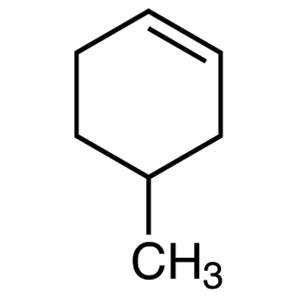
4-Methyl-1-cyclohexene TCI M2201
Regular price From Rp 1.538.250,00Regular price -
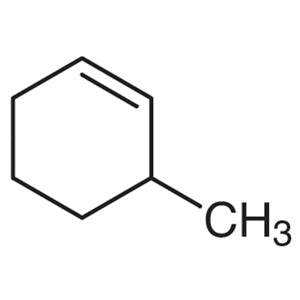
3-Methyl-1-cyclohexene TCI M1034
Regular price From Rp 2.730.000,00Regular price -
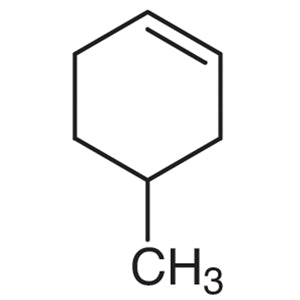
4-Methyl-1-cyclohexene TCI M0201
Regular price From Rp 903.000,00Regular price -
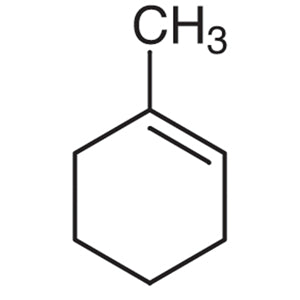
1-Methyl-1-cyclohexene TCI M0200
Regular price From Rp 2.916.900,00Regular price -
1-Ethynyl-1-cyclohexene TCI E1178
Regular price Rp 1.431.150,00Regular price -
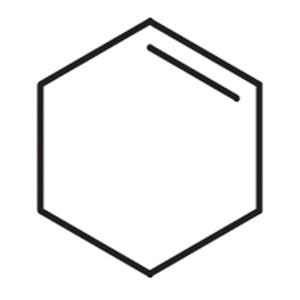
Cyclohexene TCI C0491
Regular price From Rp 505.050,00Regular price -
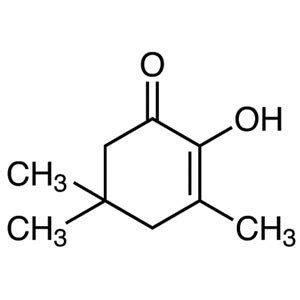
2-Hydroxy-3,5,5-trimethyl-2-cyclohexen-1-one TCI T2723
Regular price Rp 1.273.650,00Regular price -
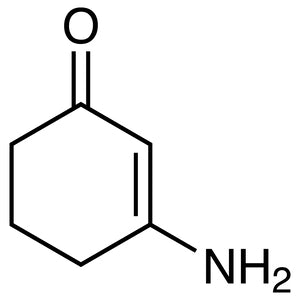
3-Amino-2-cyclohexen-1-one TCI A1936
Regular price From Rp 1.510.950,00Regular price