TCI M0203 Methylcyclopentane is a cyclic saturated hydrocarbon made up of a cyclopentane ring carrying a single methyl substituent. It is a structural isomer of cyclohexane. In the laboratory, methylcyclopentane serves as a nonpolar solvent, a reference compound in hydrocarbon analysis, and a model compound in petrochemical catalysis research. It occurs naturally in petroleum and naphtha fractions, so it often appears in fuel composition analysis and in studies of oil refining processes.
Researchers choose methylcyclopentane because it is inert toward many reagents, nonpolar, and volatile, which makes it easy to separate from products after a reaction or extraction. As a simple cycloalkane with a tertiary carbon atom, it is an ideal test molecule for studying isomerization, ring-opening, and dehydrogenation reactions over both metal and acid catalysts. Its well-defined molecular structure also makes it easy to identify by gas chromatography, so it works well as a component of standard mixtures.
Indonesia has an established oil and gas processing industry and many catalysis research groups in engineering and chemistry faculties. Methylcyclopentane is therefore a practical choice for university laboratories studying catalyst performance, for analytical laboratories characterizing fuels and naphtha fractions, and for research teams that need a dependable nonpolar solvent. AMI Scientific supplies TCI methylcyclopentane to support these academic and industrial laboratories across the country.
- Catalysis research model compound: its simple cycloalkane structure with a tertiary carbon makes it ideal for studying isomerization, ring-opening, and dehydrogenation over metal and acid catalysts.
- Hydrocarbon reference standard: because it occurs naturally in petroleum and naphtha, it is used as a reference compound when identifying and quantifying hydrocarbons in fuel samples.
- Gas chromatography standard mixtures: its well-defined structure makes it easy to identify by gas chromatography, so it suits use as a component of calibration and standard mixtures.
- Nonpolar reaction and extraction solvent: it is inert toward many reagents and evaporates easily, so it can be removed cleanly from products after reactions or extractions.
- Fuel composition and refining studies: since it is present in naphtha fractions, it is a relevant compound for research into fuel composition and petroleum refining process behavior.
| Brand | TCI (product code M0203) |
|---|---|
| CAS number | 96-37-7 |
| Molecular formula | — |
| Purity | — |
| Category | Chemistry > Building Blocks > Non-Heterocyclic Building Blocks |
| Pack sizes | see the available options on the product listing |
| Physical form | volatile, nonpolar liquid hydrocarbon |
| Storage | tightly closed container in a cool, well-ventilated area away from ignition sources |
Store methylcyclopentane in its original tightly sealed container in a cool, dry, and well-ventilated area, away from heat, sparks, open flames, and strong oxidizing agents. Because it is a volatile hydrocarbon, keep containers closed when not in use to limit evaporation and vapor buildup. Use chemically compatible glass or approved solvent containers, and label any transferred portions clearly. Handle the liquid in a fume hood while wearing safety glasses, chemical-resistant gloves, and a lab coat, and ground equipment where appropriate. Always consult the supplier's Safety Data Sheet before use and dispose of waste according to local regulations.
—
Produk Terkait
-
Pentylcyclopentane TCI P0784
Regular price Rp 7.659.750,00Regular priceRp 5.356.050,00Sale price Rp 7.659.750,00 -
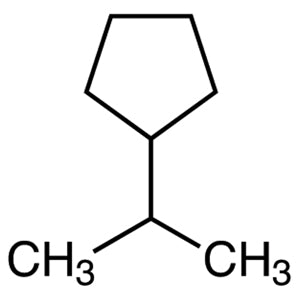
Isopropylcyclopentane TCI I0647
Regular price Rp 7.817.250,00Regular priceRp 5.466.300,00Sale price Rp 7.817.250,00 -
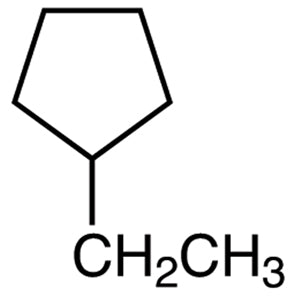
Ethylcyclopentane TCI E0211
Regular price From Rp 1.538.250,00Regular priceRp 1.075.200,00Sale price From Rp 1.538.250,00 -
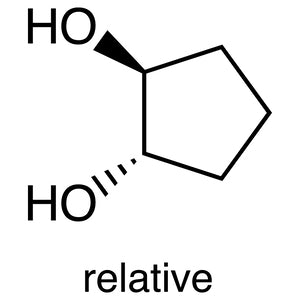
(+/-)-trans-Cyclopentane-1,2-diol TCI C3885
Regular price From Rp 1.670.550,00Regular priceRp 1.183.350,00Sale price From Rp 1.670.550,00 -
Cyclopentane TCI C0699
Regular price From Rp 557.550,00Regular priceRp 389.550,00Sale price From Rp 557.550,00 -
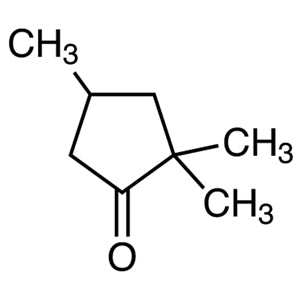
2,2,4-Trimethylcyclopentanone TCI T1719
Regular price Rp 7.314.300,00Regular priceRp 5.130.300,00Sale price Rp 7.314.300,00 -
2-Acetylcyclopentanone TCI A0869
Regular price From Rp 1.033.200,00Regular priceRp 738.150,00Sale price From Rp 1.033.200,00