2-(Methylthio)benzimidazole is a chemical compound widely used in organic synthesis reactions, particularly in the formation of heterocyclic structures. As a key building block in the field of heterocyclic chemistry, it plays a crucial role in the development of complex molecules. This compound is commonly utilized in organic chemistry and pharmacological research due to its ability to interact with various functional groups. Its versatility makes it an essential tool for researchers aiming to create new compounds with specific biological activities.
The compound is known for its chemical stability and reactivity, which allow it to participate effectively in substitution and condensation reactions. Its heterocyclic structure enables it to interact with a wide range of reagents, making it a flexible choice for synthetic pathways. The molecule’s ability to form stable intermediates and its compatibility with different reaction conditions contribute to its popularity among chemists. These properties make it a reliable component in both academic and industrial laboratory settings.
In Indonesian laboratories, 2-(Methylthio)benzimidazole is frequently used in pharmaceutical and organic chemistry research. It is a fundamental reagent in the synthesis of bioactive compounds and is essential for studies involving drug development and chemical analysis. Its presence in research laboratories supports the advancement of scientific knowledge and the creation of new chemical entities with potential applications in medicine and other fields.
Related TCI products
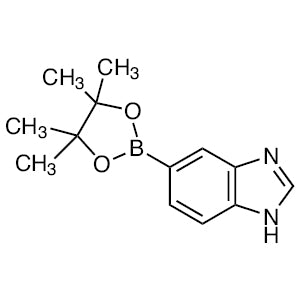
- TCI T3275 1007206-54-3 5-(4,4,5,5-Tetramethyl-1,3,2-dioxaborolan-2-yl)-1H-benzimidazole
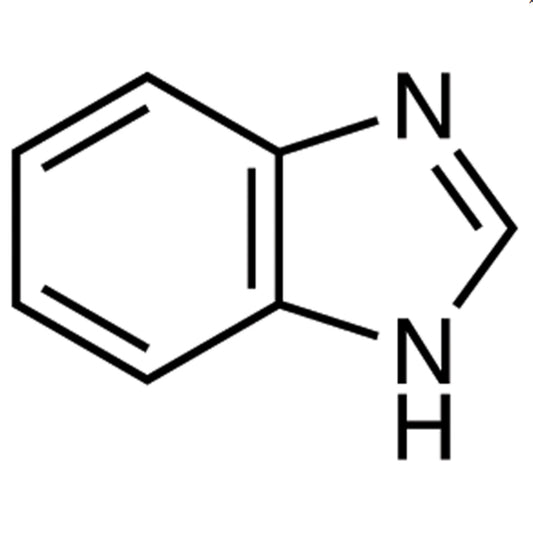
- TCI B0054 51-17-2 Benzimidazole
- TCI P1599 1137-68-4 2-(2-Pyridyl)benzimidazole
- TCI M2582 26663-77-4 Methyl Benzimidazole-5-carboxylate
- TCI H1736 2963-66-8 2-(2-Hydroxyphenyl)-1H-benzimidazole
- TCI H1229 4856-97-7 2-(Hydroxymethyl)benzimidazole
- Organic synthesis applications benefit from this compound's ability to form stable intermediates and participate in diverse reaction mechanisms.
- Pharmaceutical research utilizes it for the development of bioactive compounds due to its reactivity and compatibility with functional groups.
- Heterocyclic compound synthesis relies on its structural features to create complex molecules with specific biological activities.
- Analytical chemistry laboratories use it as a standard for qualitative and quantitative analysis in chemical profiling studies.
- Drug discovery programs incorporate it to explore new molecular scaffolds with potential therapeutic applications.
| Brand | TCI |
|---|---|
| CAS number | 7152-24-1 |
| Molecular formula | — |
| Purity | — |
| Category | Chemistry > Building Blocks > Heterocyclic Building Blocks |
| Pack sizes | Available in various quantities as per supplier specifications |
| Physical form | Solid |
| Storage | Store in a cool, dry place away from light and moisture |
This compound should be stored in a cool, dry environment, away from direct light and moisture to maintain its chemical stability. It is recommended to use airtight containers to prevent exposure to air and humidity, which could lead to degradation. Proper labeling of storage containers is essential for safety and traceability. In laboratory settings, it should be handled with appropriate personal protective equipment, such as gloves and safety goggles, to minimize exposure. Due to its reactivity, it should be kept separate from incompatible substances to avoid unintended chemical interactions. Regular monitoring of storage conditions ensures the compound remains suitable for use in research applications.
—
Produk Terkait
-
5-(4,4,5,5-Tetramethyl-1,3,2-dioxaborolan-2-yl)-1H-benzimidazole TCI T3275
Regular price Rp 2.121.000,00Regular price -
Benzimidazole TCI B0054
Regular price From Rp 875.700,00Regular price -
2-(2-Pyridyl)benzimidazole TCI P1599
Regular price Rp 1.829.100,00Regular price -
MethylBenzimidazole-5-carboxylate TCI M2582
Regular price Rp 2.174.550,00Regular price -
2-(2-Hydroxyphenyl)-1H-benzimidazole TCI H1736
Regular price From Rp 2.571.450,00Regular price -
2-(Hydroxymethyl)benzimidazole TCI H1229
Regular price Rp 1.803.900,00Regular price -
2-(3-Hydroxypropyl)benzimidazole TCI H0988
Regular price Rp 1.298.850,00Regular price -
2-Ethyl-1H-benzimidazole TCI E1358
Regular price From Rp 2.332.050,00Regular price