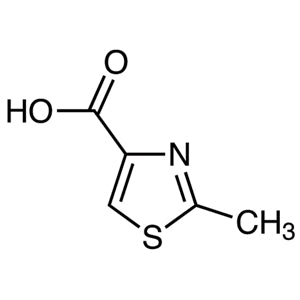
2-Methyl-4-ethylthiazoline is a chemical compound classified under the heterocyclic category, featuring a thiazoline core structure. This compound serves as a fundamental building block in organic chemistry, offering versatility in the synthesis of complex molecules. Its role in laboratory settings is critical for researchers aiming to develop new compounds with specific chemical or biological properties. As a key intermediate, it enables the modification of molecular structures to achieve desired functionalities, making it indispensable in both academic and industrial research environments.
The compound is valued for its chemical stability under controlled conditions and its solubility in organic solvents such as ethyl acetate. These properties contribute to its reliability in laboratory applications, ensuring consistent results and ease of handling. Its distinct aroma and defined physical characteristics further enhance its usability in precision-driven experiments. The combination of stability and reactivity makes it a preferred choice for chemists seeking to explore new synthetic pathways and functional group modifications.
In Indonesian laboratories, 2-Methyl-4-ethylthiazoline is widely used in scientific research, particularly in organic chemistry, pharmaceutical development, and materials science. Its availability in liquid form simplifies handling and storage, supporting efficient experimentation. Its role in creating compounds with unique biological or chemical properties aligns with the goals of modern research, making it a staple in laboratory workflows across various scientific disciplines.
Related TCI products
- TCI A0336 6142-15-0 2-Amino-4-methylthiazole Hydrochloride
- TCI A3264 29926-41-8 2-Acetyl-2-thiazoline
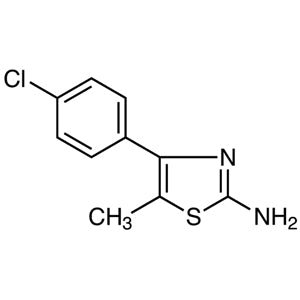
- TCI A3066 82632-77-7 2-Amino-4-(4-chlorophenyl)-5-methylthiazole
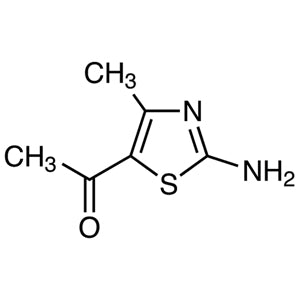
- TCI A2887 30748-47-1 5-Acetyl-2-amino-4-methylthiazole
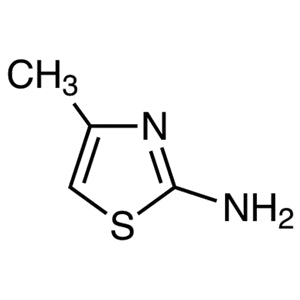
- TCI A1303 1603-91-4 2-Amino-4-methylthiazole
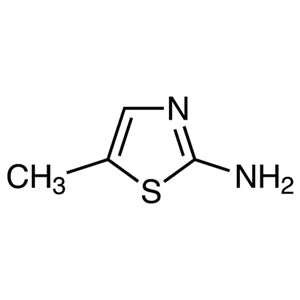
- TCI A1250 7305-71-7 2-Amino-5-methylthiazole
- Organic synthesis applications benefit from this compound's versatility in constructing complex molecular frameworks.
- Pharmaceutical research utilizes it as a building block for developing compounds with targeted biological activities.
- Materials science projects leverage its chemical stability to create novel functional materials.
- Analytical chemistry experiments use it as a standard for calibrating instruments and testing reaction conditions.
- Environmental studies incorporate it to simulate and study the behavior of heterocyclic compounds in different media.
| Brand | TCI |
|---|---|
| CAS number | 4293-61-2 |
| Molecular formula | — |
| Purity | — |
| Category | Chemistry > Building Blocks > Heterocyclic Building Blocks |
| Pack sizes | Available in various sizes as per standard laboratory requirements |
| Physical form | Liquid |
| Storage | Store in a cool, dry place away from direct sunlight and incompatible materials |
This compound should be stored in a cool, dry environment, away from direct sunlight and sources of heat. It is recommended to use sealed, airtight containers to prevent exposure to moisture and air, which may affect its stability. Due to its reactivity with certain substances, it should be kept separate from strong oxidizers and acids. Proper ventilation is essential when handling the compound to minimize inhalation risks. Laboratory personnel should wear appropriate personal protective equipment, including gloves and safety goggles, to ensure safe handling. The compound's solubility in organic solvents necessitates careful storage to avoid contamination and maintain its integrity for experimental use.
—
Produk Terkait
-
2-Amino-4-methylthiazoleHydrochloride TCI A0336
Regular price From Rp 1.326.150,00Regular price -
2-Acetyl-2-thiazoline TCI A3264
Regular price From Rp 1.829.100,00Regular price -
2-Amino-4-(4-chlorophenyl)-5-methylthiazole TCI A3066
Regular price From Rp 1.035.300,00Regular price -
5-Acetyl-2-amino-4-methylthiazole TCI A2887
Regular price From Rp 769.650,00Regular price -
2-Amino-4-methylthiazole TCI A1303
Regular price Rp 1.829.100,00Regular price -
2-Amino-5-methylthiazole TCI A1250
Regular price Rp 1.193.850,00Regular price -
2-Methylthiazole-4-carboxylicAcid TCI M2802
Regular price From Rp 689.850,00Regular price -
2-Methylthiazole-5-carboxylicAcid TCI M2626
Regular price From Rp 2.121.000,00Regular price