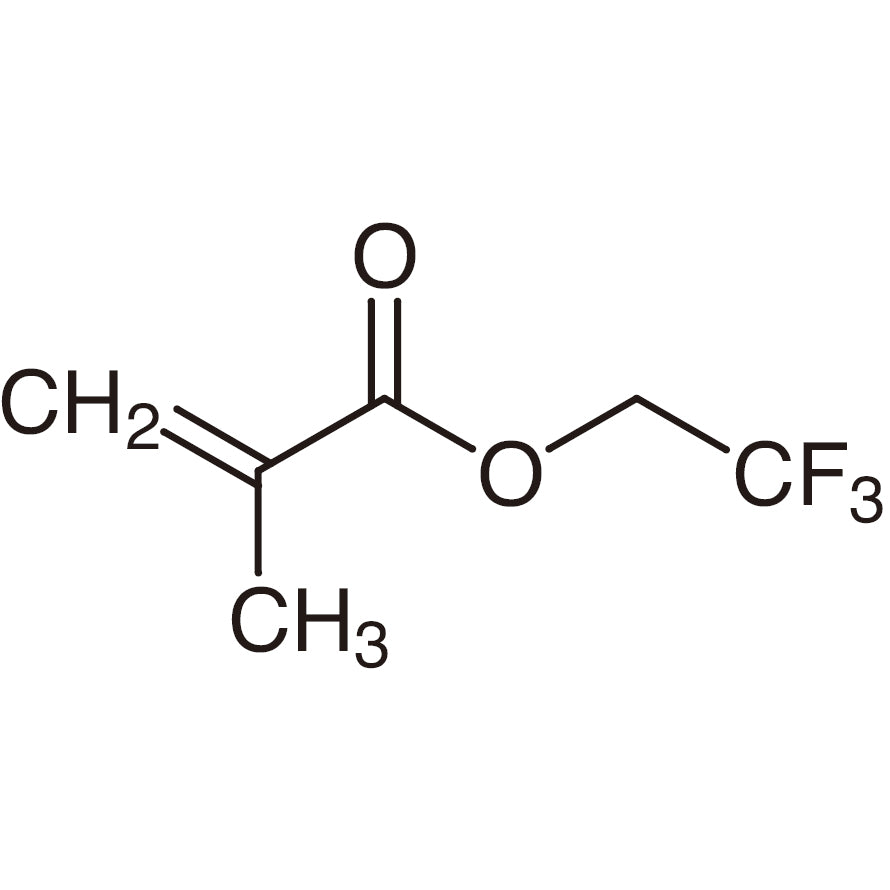
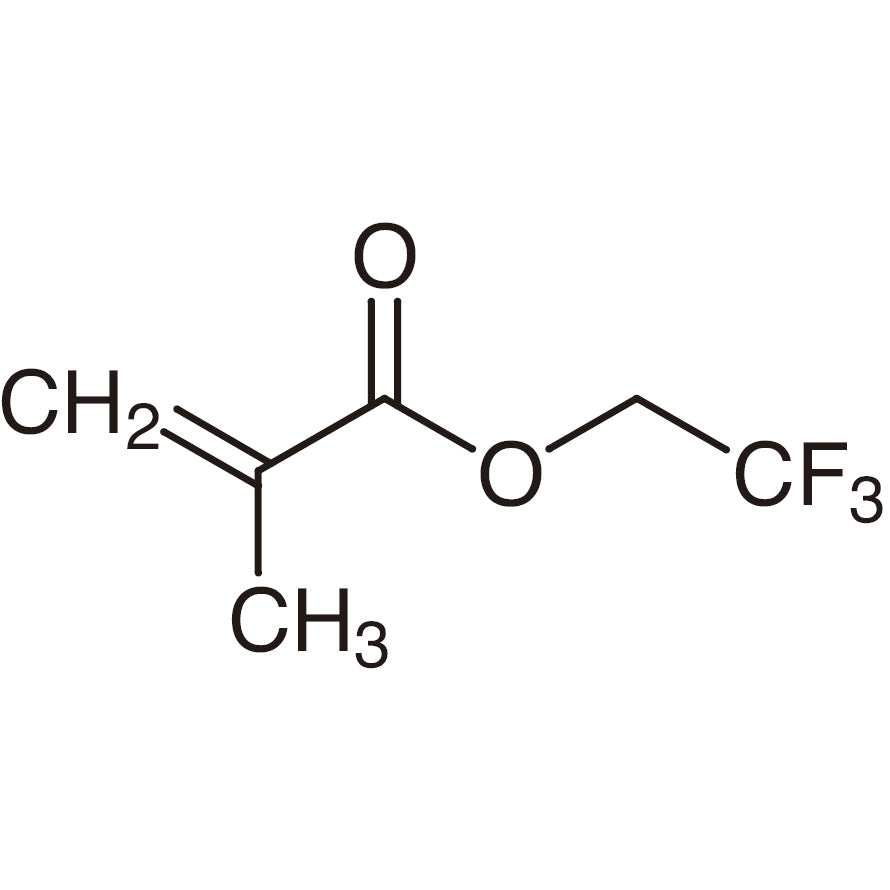
2,2,2-Trifluoroethyl Methacrylate (TFEMA) is a fluorinated building block widely used in chemical synthesis, particularly in the development of fluorinated compounds. As a key component in polymer science, TFEMA serves as a versatile intermediate for creating materials with enhanced chemical and physical properties. Its unique molecular structure, featuring three fluorine atoms, makes it an essential tool for researchers aiming to modify molecular frameworks for specialized applications. In Indonesian laboratories, TFEMA is a critical reagent for advancing research in organic chemistry and material science.
TFEMA is preferred due to its exceptional chemical stability, high thermal resistance, and resistance to solvents. These properties make it ideal for use in harsh chemical environments where traditional materials may degrade. The stabilization with MEHQ ensures that the compound remains effective and safe during storage and handling. Its ability to withstand extreme conditions allows it to be used in a variety of chemical processes, including polymerization and functional group modification. This makes TFEMA a reliable and efficient choice for both academic and industrial research settings.
In Indonesian laboratories, TFEMA is commonly used in organic synthesis, polymer development, and the creation of advanced composite materials. It is particularly relevant for researchers working on fluorinated coatings, insulation materials, and specialty chemicals. Its role in developing high-performance materials aligns with the growing demand for innovative chemical solutions in both academic and industrial sectors.
TCI brochures (PDF)
- Fluorination Reagents, Fluorinated Building Blocks 2026-03-18 · p. 53
Related TCI products
- TCI A1152 407-47-6 2,2,2-Trifluoroethyl Acrylate (stabilized with MEHQ)
- TCI T3728 45102-52-1 2,2,3,3-Tetrafluoropropyl Methacrylate (stabilized with MEHQ)
- TCI T3414 2144-53-8 1H,1H,2H,2H-Tridecafluoro-n-octyl Methacrylate (stabilized with HQ + MEHQ)
- TCI P2546 114859-23-3 Pentafluorobenzyl Methacrylate (stabilized with BHT)
- TCI P2353 45115-53-5 2,2,3,3,3-Pentafluoropropyl Methacrylate (stabilized with TBC)
- TCI P2289 13642-97-2 Pentafluorophenyl Methacrylate (stabilized with MEHQ)
- Fluorinated Polymer Synthesis: TFEMA is ideal for creating polymers with enhanced thermal and chemical resistance, making it suitable for industrial and research applications.
- Coating Material Development: Its chemical stability and resistance to solvents make it a preferred choice for formulating durable and weather-resistant coatings.
- Organic Chemistry Research: TFEMA is widely used in synthetic pathways to modify molecular structures, enabling the development of new chemical compounds with tailored properties.
- Composite Material Innovation: The compound's ability to enhance material properties makes it valuable in the creation of advanced composite materials for various industrial uses.
- Specialty Chemical Formulation: TFEMA is used in the development of fluorinated chemicals for applications requiring high performance and durability in extreme environments.
| Brand | TCI |
|---|---|
| CAS number | 352-87-4 |
| Molecular formula | — |
| Purity | — |
| Category | Chemistry > Building Blocks > Fluorinated Building Blocks |
| Pack sizes | Available in standard laboratory quantities |
| Physical form | Liquid |
| Storage | Store in a cool, dark place away from moisture and direct sunlight |
TFEMA should be stored in a cool, dark environment to maintain its chemical stability and prevent degradation. It is recommended to use airtight, glass containers to minimize exposure to moisture and air. Due to its chemical nature, it is important to handle TFEMA with appropriate personal protective equipment, including gloves and safety goggles. Avoid contact with incompatible materials such as strong oxidizers. Ensure proper ventilation in the workspace to reduce the risk of inhalation. Always follow standard laboratory safety protocols when working with fluorinated compounds to ensure a safe and controlled environment.
—
Produk Terkait
-
2,2,2-TrifluoroethylAcrylate(stabilizedwithMEHQ) TCI A1152
Regular price From Rp 689.850,00Regular price -
2,2,3,3-TetrafluoropropylMethacrylate(stabilizedwithMEHQ) TCI T3728
Regular price From Rp 557.550,00Regular price -
1H,1H,2H,2H-Tridecafluoro-n-octylMethacrylate(stabilizedwithHQ+MEHQ) TCI T3414
Regular price From Rp 1.273.650,00Regular price -
PentafluorobenzylMethacrylate(stabilizedwithBHT) TCI P2546
Regular price From Rp 4.399.500,00Regular price -
2,2,3,3,3-PentafluoropropylMethacrylate(stabilizedwithTBC) TCI P2353
Regular price From Rp 1.696.800,00Regular price -
PentafluorophenylMethacrylate(stabilizedwithMEHQ) TCI P2289
Regular price From Rp 2.227.050,00Regular price -
1H,1H,5H-OctafluoropentylMethacrylate(stabilizedwithMEHQ) TCI O0481
Regular price From Rp 903.000,00Regular price -
1H,1H,2H,2H-NonafluorohexylMethacrylate(stabilizedwithTBC) TCI N1143
Regular price From Rp 1.485.750,00Regular price