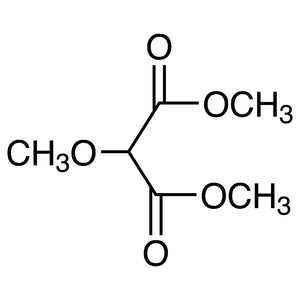
Dimethyl Methoxymalonate (DMMM) is a chemical compound widely used as a building block in organic synthesis. It serves as a versatile intermediate in the creation of complex organic molecules, particularly in reactions that lead to the formation of heterocyclic compounds or more intricate carbon frameworks. Its role in laboratory settings is crucial for researchers aiming to develop compounds with specific biological activities or functional properties. DMMM is a fundamental tool in organic chemistry, enabling the synthesis of a wide range of compounds with diverse applications in pharmaceutical and material sciences.
The reactivity and structural simplicity of DMMM make it a preferred choice for laboratory use. It is capable of participating in various chemical reactions, including nucleophilic, electrophilic, and substitution reactions. These properties allow it to be a key component in the synthesis of functionalized compounds. Its stability and ease of handling further enhance its appeal for both small-scale and large-scale experiments. The compound’s ability to undergo multiple reaction pathways makes it an essential reagent for chemists working on diverse synthetic projects.
In Indonesian laboratories, DMMM is commonly used in organic chemistry, pharmaceutical research, and material development. It is a valuable resource for local researchers who require reliable and high-quality reagents for their experiments. Its availability in solid form and ease of use make it suitable for a wide range of experimental setups. The compound’s versatility and effectiveness have made it a staple in many research laboratories across Indonesia.
Related TCI products
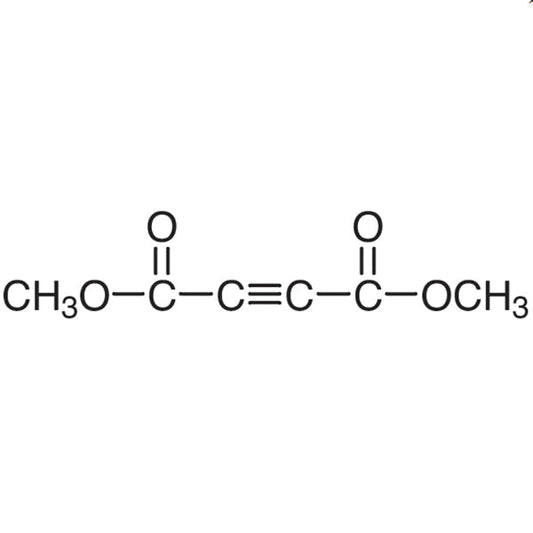
- TCI A0090 762-42-5 Dimethyl Acetylenedicarboxylate
- TCI A0056 1830-54-2 Dimethyl 1,3-Acetonedicarboxylate
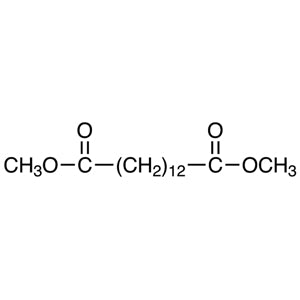
- TCI T1726 5024-21-5 Dimethyl Tetradecanedioate
- TCI B1490 5469-26-1 1-Bromo-3,3-dimethyl-2-butanone
- TCI B1309 792-74-5 Dimethyl 4,4'-Biphenyldicarboxylate
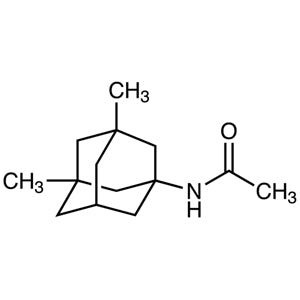
- TCI A2653 19982-07-1 N-Acetyl-3,5-dimethyl-1-adamantanamine
- Organic synthesis is a primary application where DMMM is used to construct complex molecules due to its reactivity and structural versatility.
- Pharmaceutical research benefits from DMMM as it helps in the development of compounds with specific biological activities and therapeutic potential.
- Material science applications rely on DMMM for the synthesis of functionalized polymers and advanced materials with tailored properties.
- Analytical chemistry utilizes DMMM as a standard reference compound for calibration and quality control in various analytical procedures.
- Environmental studies incorporate DMMM in the investigation of chemical degradation processes and the behavior of organic compounds in different environments.
| Brand | TCI |
|---|---|
| CAS number | 5018-30-4 |
| Molecular formula | — |
| Purity | — |
| Category | Chemistry > Building Blocks > Non-Heterocyclic Building Blocks |
| Pack sizes | Available in various quantities as per supplier specifications |
| Physical form | Solid |
| Storage | Store in a cool, dry place away from moisture and direct sunlight |
DMMM should be stored in a cool, dry environment to maintain its chemical integrity and prevent degradation. It is recommended to keep the compound in airtight containers to minimize exposure to moisture and air. Suitable storage containers include glass or high-density polyethylene (HDPE) bottles with secure lids. Laboratory personnel should handle the compound with care, using appropriate personal protective equipment such as gloves and safety goggles. Avoid direct contact with skin and inhalation of vapors. Ensure proper ventilation in the workspace to reduce the risk of exposure. Regular monitoring of storage conditions is essential to ensure the compound remains stable and safe for use in experiments.
—
Produk Terkait
-
DimethylAcetylenedicarboxylate TCI A0090
Regular price From Rp 2.041.200,00Regular price -
Dimethyl1,3-Acetonedicarboxylate TCI A0056
Regular price From Rp 1.298.850,00Regular price -
DimethylTetradecanedioate TCI T1726
Regular price From Rp 2.411.850,00Regular price -
1-Bromo-3,3-dimethyl-2-butanone TCI B1490
Regular price From Rp 2.094.750,00Regular price -
Dimethyl4,4'-Biphenyldicarboxylate TCI B1309
Regular price From Rp 875.700,00Regular price -
N-Acetyl-3,5-dimethyl-1-adamantanamine TCI A2653
Regular price Rp 3.949.050,00Regular price -
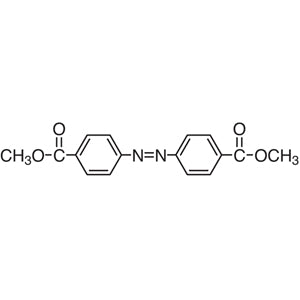
DimethylAzobenzene-4,4'-dicarboxylate TCI A1581
Regular price From Rp 2.571.450,00Regular price -
Dimethyl1,8-Anthracenedicarboxylate TCI A1433
Regular price From Rp 6.863.850,00Regular price