


TCI M1051 Methyl alpha-L-Fucopyranoside is the methyl glycoside of L-fucose, a six-carbon deoxy sugar that plays a highly distinctive biological role at the cell surface. The compound is supplied with the anomeric configuration locked in the alpha form, making it a well-defined model ligand for glycoscience research. In the laboratory it is used to study molecular recognition between carbohydrates and proteins, to assay the activity of fucose-cleaving enzymes, and to serve as an analytical reference compound. Because fucose is abundant in cell-surface glycans and blood group antigens, this reagent is an important tool in biochemistry and immunology research.
The properties that make it a preferred choice begin with its close resemblance to the natural fucose unit found in glycoconjugates, combined with stability that is far better than that of the free sugar. Methylation at the anomeric centre prevents mutarotation and keeps the alpha configuration consistent throughout an experiment, a major advantage given that fucose-binding lectins are generally highly selective for this configuration. The methyl group at carbon six makes the molecule more hydrophobic than an ordinary hexose, while the three free hydroxyl groups remain available for hydrogen bonding and for further chemical derivatisation. This combination of defined stereochemistry and chemical robustness gives reproducible results across repeated runs.
In Indonesian laboratories, this material fits the work of university biochemistry groups, glycobiology and immunology research units, and institutional research centres investigating carbohydrate–protein interactions. It is typically handled in small quantities as a defined reference or model ligand rather than as a bulk reagent, which suits laboratories that run binding studies, enzyme assays, and analytical method development on a project basis. Because it is supplied as a characterised research chemical from TCI, it also serves teaching and method-validation work where a well-defined glycoside standard is required.
TCI brochures (PDF)
Related TCI products
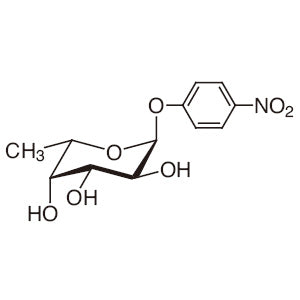
- TCI N0392 10231-84-2 4-Nitrophenyl alpha-L-Fucopyranoside
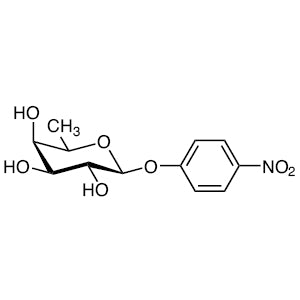
- TCI N0774 1226-39-7 4-Nitrophenyl beta-D-Fucopyranoside
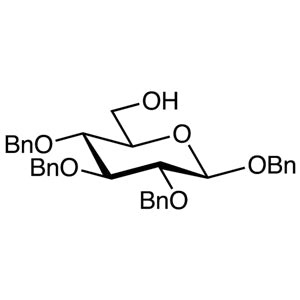
- TCI B4171 27851-29-2 Benzyl 2,3,4-Tri-O-benzyl-beta-D-glucopyranoside
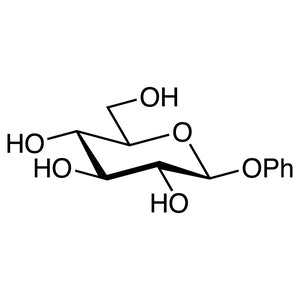
- TCI P0178 1464-44-4 Phenyl beta-D-Glucopyranoside
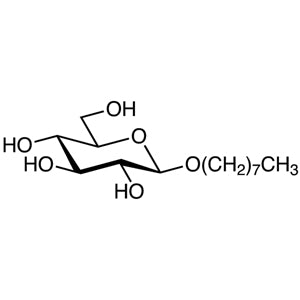
- TCI O0355 29836-26-8 n-Octyl beta-D-Glucopyranoside [for Biochemical Research]
- TCI O0232 29836-26-8 n-Octyl beta-D-Glucopyranoside
- Lectin binding studies: the locked alpha anomeric configuration matches the selectivity of fucose-binding lectins, so binding data are not confounded by mutarotation between anomeric forms.
- Alpha-L-fucosidase enzyme assays: the compound acts as a defined substrate analogue or reference for measuring the activity of fucose-cleaving enzymes under controlled and repeatable assay conditions.
- Carbohydrate–protein recognition research: it provides a minimal, well-characterised model of the fucose unit presented on natural glycoconjugates, simplifying interpretation of molecular recognition experiments.
- Analytical reference compound: the defined structure and stability make it suitable as a comparison standard when identifying or quantifying fucose-containing species in chromatographic and spectroscopic work.
- Glycochemistry synthesis starting material: the three free hydroxyl groups remain open for selective protection and derivatisation, allowing chemists to build more elaborate fucose-containing structures from a stable core.
| Brand | TCI (Tokyo Chemical Industry) |
|---|---|
| CAS number | 14687-15-1 |
| Molecular formula | — |
| Purity | — |
| Category | Chemistry > Chemical Biology > Glycoscience |
| Pack sizes | supplied in TCI research-scale packs; please confirm the currently available pack size when ordering. |
| Physical form | — |
| Storage | store in a cool, dry place in the tightly closed original container, following the conditions stated on the manufacturer's label. |
- Product code: M1051
Store the container tightly closed in a cool, dry area away from direct sunlight, heat sources, and moisture, and follow any storage condition printed on the manufacturer's label. Keep the material in its original TCI container or in a clean, chemically compatible, well-sealed glass vessel; as a small-scale research chemical it is best protected from repeated exposure to humid air. Handle in a well-ventilated laboratory or fume hood, using a lab coat, safety glasses, and suitable gloves. Use clean, dry spatulas to prevent contamination and moisture uptake, close the container promptly after weighing, and consult the manufacturer's safety data sheet before use and before disposal of residues.
—
Product Categories
Produk Terkait
-
4-Nitrophenylalpha-L-Fucopyranoside TCI N0392
Regular price From Rp 1.565.550,00Regular price -
4-Nitrophenylbeta-D-Fucopyranoside TCI N0774
Regular price Rp 4.743.900,00Regular price -
Benzyl2,3,4-Tri-O-benzyl-beta-D-glucopyranoside TCI B4171
Regular price Rp 3.870.300,00Regular price -
Phenylbeta-D-Glucopyranoside TCI P0178
Regular price Rp 848.400,00Regular price -
n-Octylbeta-D-Glucopyranoside[forBiochemicalResearch] TCI O0355
Regular price Rp 2.650.200,00Regular price -
n-Octylbeta-D-Glucopyranoside TCI O0232
Regular price From Rp 1.803.900,00Regular price -
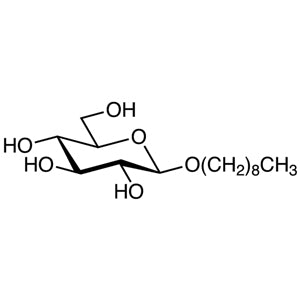
Nonylbeta-D-Glucopyranoside TCI N0909
Regular price Rp 3.976.350,00Regular price -
4-Nitrophenylalpha-D-Glucopyranoside[Substrateforalpha-D-Glucosidase] TCI N0493
Regular price From Rp 2.147.250,00Regular price
![29836-26-8 n-Octyl beta-D-Glucopyranoside [for Biochemical Research] - AMI Scientific](http://amiscientific.com/cdn/shop/files/TCI2510O0355.jpg?v=1767131790&width=533)
![3767-28-0 4-Nitrophenyl alpha-D-Glucopyranoside [Substrate for alpha-D-Glucosidase] - AMI Scientific](http://amiscientific.com/cdn/shop/files/TCI2510N0493.jpg?v=1767129938&width=533)