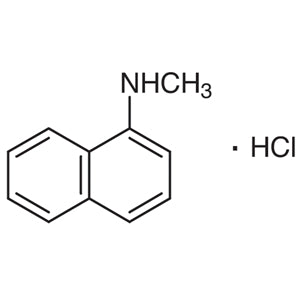
N-Methyl-1-naphthylamine Hydrochloride is a chemical compound widely used in laboratory settings for its versatility in chemical reactions. As a building block in organic chemistry, it plays a crucial role in the synthesis of complex molecules and the modification of organic structures. This compound is particularly valued in research environments where precise control over chemical processes is essential. Its application spans across various fields, including the development of dyes, pharmaceuticals, and industrial chemicals. Due to its stability and reactivity, it is a fundamental component in many synthetic pathways.
The compound’s chemical properties make it a preferred choice for researchers. It exhibits high reactivity while maintaining chemical stability, allowing it to participate in a wide range of reactions without undergoing unwanted side reactions. Its hydrochloride salt form enhances solubility in aqueous solutions, making it easier to handle and incorporate into different reaction media. This solubility characteristic is especially beneficial in laboratory settings where precise control over reaction conditions is necessary. The compound’s availability in a stable form also ensures consistent performance across multiple experiments.
In Indonesian laboratories, N-Methyl-1-naphthylamine Hydrochloride is commonly used in organic chemistry research, particularly in academic and research institutions. It is an essential material for students and researchers working on the synthesis of new compounds and molecular modifications. Its widespread use reflects its importance in both educational and industrial research contexts within the country.
Related TCI products
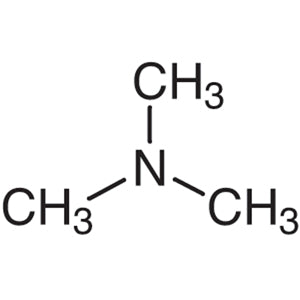
- TCI T3614 75-50-3 Trimethylamine (ca. 8% in Toluene, ca. 1mol/L)
- TCI T2893 75-50-3 Trimethylamine (ca. 25% in Isopropyl Alcohol, ca. 3mol/L)
- TCI T1992 2217-40-5 1,2,3,4-Tetrahydro-1-naphthylamine
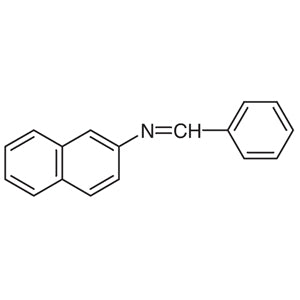
- TCI B0261 891-32-7 Benzylidene-2-naphthylamine
- TCI A0995 2217-41-6 5,6,7,8-Tetrahydro-1-naphthylamine
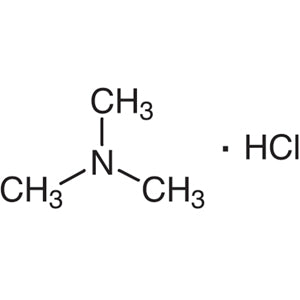
- TCI T0465 593-81-7 Trimethylamine Hydrochloride
- Organic synthesis applications benefit from this compound's reactivity and solubility, enabling efficient reaction pathways in complex molecule creation.
- Dye and pigment development relies on its ability to participate in chemical reactions that modify molecular structures for color properties.
- Pharmaceutical research utilizes its role in the synthesis of compounds that may lead to new drug formulations and therapeutic agents.
- Industrial chemical production benefits from its stability and versatility in creating a wide range of chemical products.
- Academic research in chemistry laboratories uses it as a fundamental building block for teaching and experimental purposes.
| Brand | TCI |
|---|---|
| CAS number | 4643-36-1 |
| Molecular formula | — |
| Purity | — |
| Category | Chemistry > Building Blocks > Non-Heterocyclic Building Blocks |
| Pack sizes | — |
| Physical form | Solid (hydrochloride salt) |
| Storage | Store in a cool, dry place away from moisture and direct sunlight. |
This compound should be stored in a cool, dry place, away from moisture and direct sunlight to maintain its stability and effectiveness. It is recommended to use airtight containers to prevent exposure to air and humidity, which could affect its chemical integrity. Due to its hydrochloride form, it is soluble in water, so proper containment is essential to avoid accidental spills or contamination. Laboratory personnel should handle it with appropriate safety measures, such as wearing gloves and safety goggles, to ensure safe handling. It is not classified as a hazardous substance under standard safety classifications, but standard laboratory safety protocols should still be followed when working with it.
—
Produk Terkait
-
Trimethylamine(ca.8%inToluene,ca.1mol/L) TCI T3614
Regular price Rp 1.087.800,00Regular price -
Trimethylamine(ca.25%inIsopropylAlcohol,ca.3mol/L) TCI T2893
Regular price From Rp 717.150,00Regular price -
1,2,3,4-Tetrahydro-1-naphthylamine TCI T1992
Regular price From Rp 1.565.550,00Regular price -
Benzylidene-2-naphthylamine TCI B0261
Regular price Rp 3.100.650,00Regular price -
5,6,7,8-Tetrahydro-1-naphthylamine TCI A0995
Regular price From Rp 2.571.450,00Regular price -
TrimethylamineHydrochloride TCI T0465
Regular price From Rp 557.550,00Regular price -
Trimethylamine(ca.28%inWater,ca.4.3mol/L) TCI T0464
Regular price Rp 505.050,00Regular price -
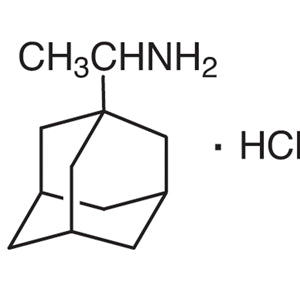
1-(1-Adamantyl)ethylamineHydrochloride TCI R0070
Regular price Rp 1.087.800,00Regular price