Methyl 4-Methoxyphenylacetate is a chemical compound widely used in organic synthesis reactions within laboratory settings. It serves as a fundamental building block in the creation of more complex chemical structures, particularly in the development of aromatic compounds with diverse industrial and pharmaceutical applications. This compound is commonly found in research laboratories as a versatile reagent that supports the synthesis of various functional groups. Its role is essential in the production of derivatives that can be further modified for specific chemical properties. Due to its stability and controlled reactivity, it is a reliable choice for researchers working on synthetic pathways.
The compound's chemical properties, including its ability to undergo substitution and esterification reactions, make it a preferred choice for synthetic chemists. Its stability under standard laboratory conditions ensures that it remains effective throughout the synthesis process, reducing the risk of degradation or unwanted side reactions. This reliability contributes to its popularity among scientists and researchers who require consistent and predictable results. Additionally, its availability and ease of handling make it a practical option for both academic and industrial research environments.
In Indonesian laboratories, Methyl 4-Methoxyphenylacetate is extensively used in organic chemistry research, particularly in the development of new compounds with potential applications in pharmaceuticals and materials science. It is a common component in research programs conducted by universities and research institutions across the country. Its role in supporting the synthesis of bioactive compounds and functional materials highlights its importance in advancing scientific innovation in the region.
Related TCI products
- TCI M1331 18927-05-4 Methyl 3-Methoxyphenylacetate
- TCI M1329 27798-60-3 Methyl 2-Methoxyphenylacetate
- TCI M0793 14062-18-1 Ethyl 4-Methoxyphenylacetate
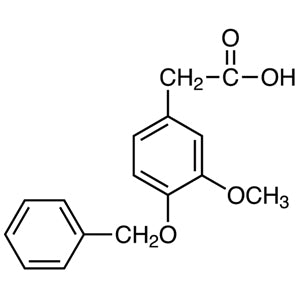
- TCI B4800 29973-91-9 4-Benzyloxy-3-methoxyphenylacetic Acid
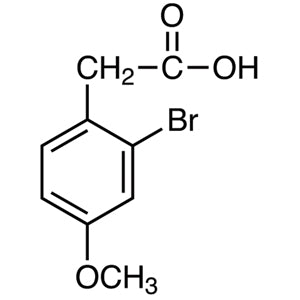
- TCI B4737 66916-99-2 2-Bromo-4-methoxyphenylacetic Acid
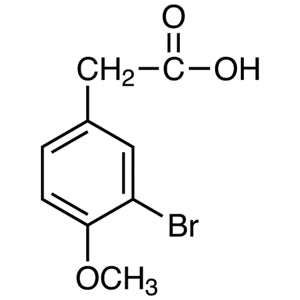
- TCI B4677 774-81-2 3-Bromo-4-methoxyphenylacetic Acid
- Organic synthesis of aromatic compounds due to its reactivity and structural versatility.
- Development of pharmaceutical intermediates through esterification and substitution reactions.
- Preparation of functionalized derivatives for material science applications.
- Support in the synthesis of bioactive molecules for drug discovery research.
- Use in academic research programs focused on chemical structure modification and innovation.
| Brand | TCI |
|---|---|
| CAS number | 23786-14-3 |
| Molecular formula | — |
| Purity | — |
| Category | Chemistry > Building Blocks > Non-Heterocyclic Building Blocks |
| Pack sizes | Available in various quantities as per supplier specifications |
| Physical form | Solid or liquid, depending on the specific product variant |
| Storage | Store in a cool, dry place away from direct sunlight |
Methyl 4-Methoxyphenylacetate should be stored in a cool, dry environment to maintain its chemical stability. It is recommended to keep the compound in a tightly sealed container to prevent exposure to moisture and air. Proper ventilation is essential when handling the material to minimize inhalation risks. Avoid contact with incompatible substances such as strong oxidizing agents. The compound should be stored away from heat sources and direct sunlight to prevent degradation. Regular inspection of storage conditions ensures the material remains suitable for use in laboratory applications.
—
Produk Terkait
-
Methyl3-Methoxyphenylacetate TCI M1331
Regular price From Rp 1.670.550,00Regular priceRp 1.183.350,00Sale price From Rp 1.670.550,00 -
Methyl2-Methoxyphenylacetate TCI M1329
Regular price From Rp 1.246.350,00Regular priceRp 887.250,00Sale price From Rp 1.246.350,00 -
Ethyl4-Methoxyphenylacetate TCI M0793
Regular price From Rp 2.279.550,00Regular priceRp 1.609.650,00Sale price From Rp 2.279.550,00 -
4-Benzyloxy-3-methoxyphenylaceticAcid TCI B4800
Regular price Rp 2.571.450,00Regular priceRp 1.813.350,00Sale price Rp 2.571.450,00 -
2-Bromo-4-methoxyphenylaceticAcid TCI B4737
Regular price From Rp 900.900,00Regular priceRp 645.750,00Sale price From Rp 900.900,00 -
3-Bromo-4-methoxyphenylaceticAcid TCI B4677
Regular price From Rp 742.350,00Regular priceRp 534.450,00Sale price From Rp 742.350,00 -
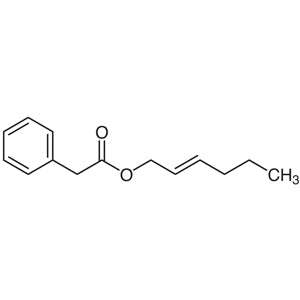
trans-2-Hexen-1-ylPhenylacetate TCI P1045
Regular price Rp 1.351.350,00Regular priceRp 960.750,00Sale price Rp 1.351.350,00 -
MethylPhenylacetate TCI P0125
Regular price From Rp 557.550,00Regular priceRp 405.300,00Sale price From Rp 557.550,00