3-Methoxybiphenyl is a chemical compound widely used in laboratory settings as a foundational building block for various chemical reactions. It is particularly valuable in the synthesis of complex molecules, serving as a key intermediate in organic chemistry. Its molecular structure consists of two benzene rings connected by a single bond, with a methoxy group attached to one of the rings. This unique structure makes it a versatile compound for chemical modifications and functional group transformations. In research and development, 3-Methoxybiphenyl is essential for creating aromatic and heterocyclic compounds with diverse applications in pharmaceuticals, materials science, and organic chemistry.
The stability of 3-Methoxybiphenyl under normal conditions contributes to its popularity in laboratory environments. It exhibits resistance to degradation and maintains its chemical integrity during various reaction conditions. This stability allows it to participate effectively in substitution reactions and ring-opening processes. Additionally, its high boiling and melting points facilitate efficient separation and isolation techniques, such as distillation and crystallization. These properties make it a reliable and predictable reagent for chemists working on complex synthetic pathways.
In Indonesian laboratories, 3-Methoxybiphenyl is commonly used in organic chemistry research and development. It plays a crucial role in the synthesis of pharmaceutical compounds, specialty chemicals, and advanced materials. Researchers in Indonesia rely on this compound for its consistent performance and compatibility with a wide range of reagents and solvents. Its availability and reliability make it a preferred choice for both academic and industrial chemical applications.
- Organic synthesis of aromatic and heterocyclic compounds due to its stable molecular structure and reactivity.
- Use in pharmaceutical research for the development of new drug molecules and active pharmaceutical ingredients.
- Application in materials science for the creation of advanced polymers and functional materials.
- Participation in ring-opening and substitution reactions, making it suitable for synthetic pathway development.
- Utilization in analytical chemistry for standardization and as a reference compound in chromatographic techniques.
| Brand | TCI |
|---|---|
| CAS number | 2113-56-6 |
| Molecular formula | — |
| Purity | — |
| Category | Chemistry > Building Blocks > Non-Heterocyclic Building Blocks |
| Pack sizes | Available in various quantities as per standard laboratory requirements |
| Physical form | Solid |
| Storage | Store in a cool, dry place away from direct sunlight and moisture |
3-Methoxybiphenyl should be stored in a cool, dry environment to maintain its chemical stability and prevent degradation. It is recommended to keep the compound in airtight containers to minimize exposure to moisture and air. Due to its solid form, it is typically stored in sealed glass or plastic containers to prevent contamination. Laboratory personnel should handle the compound with care, using appropriate personal protective equipment such as gloves and safety goggles. It is important to avoid contact with strong acids or bases, as these can alter its chemical properties. Proper labeling of storage containers ensures safe handling and easy identification in the laboratory setting.
—
Produk Terkait
-
TCI B5774 5,10-Bis(4,4,5,5-tetramethyl-1,3,2-dioxaborolan-2-yl)naphtho[1,2-c:5,6-c']bis([1,2,5]oxadiazole)
Regular price Rp 10.255.350,00Regular price -
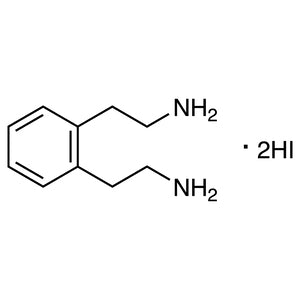
Dihydroiodide TCI B6569
Regular price From Rp 1.936.200,00Regular price -
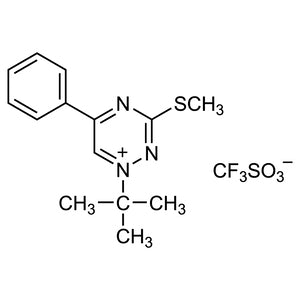
Trifluoromethanesulfonate TCI B7003
Regular price From Rp 1.936.200,00Regular price
![5,10-Bis(4,4,5,5-tetramethyl-1,3,2-dioxaborolan-2-yl)naphtho[1,2-c:5,6-c']bis([1,2,5]oxadiazole) - TCI B5774 - AMI Scientific](http://amiscientific.com/cdn/shop/files/TCI2510B5774.jpg?v=1769180228&width=533)