7-Methyl-1,4-benzothiazin-3-one is a chemical compound widely used in organic synthesis reactions. It belongs to the category of heterocyclic building blocks, which are essential components in the creation of complex chemical structures. In the laboratory, this compound serves as a foundational material for the synthesis of various heterocyclic compounds, including pharmaceuticals, pesticides, and industrial chemicals. Its unique molecular structure enables it to participate in a range of chemical reactions, such as substitution, reduction, and ring-opening processes.
The compound is valued for its chemical stability under specific conditions, although it is sensitive to oxidation and UV light exposure. Its heterocyclic structure provides a degree of stability against certain chemical reactions, making it a reliable choice for synthetic applications. Additionally, its good solubility in organic solvents simplifies processing and separation techniques in laboratory settings. These properties make it a versatile and efficient reagent for chemists working in diverse research fields.
In Indonesian laboratories, 7-Methyl-1,4-benzothiazin-3-one is commonly used in organic chemistry research, particularly in pharmacology and the synthesis of bioactive compounds. Its role in developing new drugs and chemical products highlights its importance in both academic and industrial research environments. The compound's availability and reliability contribute to its widespread use in chemical synthesis processes across various scientific disciplines.
- Organic synthesis is a key application where this compound is used to build complex molecular structures due to its heterocyclic nature and reactivity.
- Pharmaceutical research benefits from its use in the development of new drugs, as it can be incorporated into bioactive molecules with therapeutic potential.
- Pesticide formulation relies on this compound for creating compounds with specific biological activity against pests and diseases.
- Industrial chemical production utilizes this material for the synthesis of various chemical intermediates used in manufacturing processes.
- Bioactive compound synthesis is another area where this compound plays a crucial role in creating molecules with specific biological effects.
| Brand | TCI |
|---|---|
| CAS number | 30322-02-2 |
| Molecular formula | — |
| Purity | — |
| Category | Chemistry > Building Blocks > Heterocyclic Building Blocks |
| Pack sizes | — |
| Physical form | — |
| Storage | Store in a cool, dark place away from oxidizing agents and UV light |
This compound should be stored in a cool, dark environment to prevent degradation due to oxidation and UV light exposure. It is recommended to use airtight containers made of glass or inert plastic to minimize contamination and maintain chemical integrity. Due to its sensitivity, it should be kept away from strong oxidizing agents and direct sunlight. In laboratory settings, proper ventilation and personal protective equipment should be used when handling the compound to ensure safety. Regular monitoring of storage conditions is advised to maintain the compound's stability and effectiveness for research applications.
—
Produk Terkait
-
2H-1,4-Benzothiazin-3(4H)-one TCI B4554
Regular price From Rp 584.850,00Regular price -
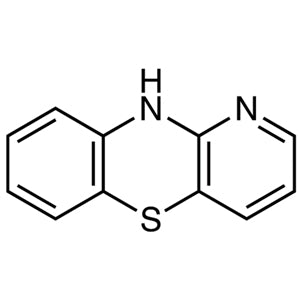
1-Azaphenothiazine TCI A2862
Regular price From Rp 505.050,00Regular price -
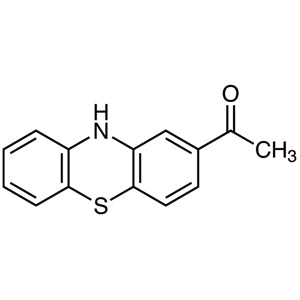
2-Acetylphenothiazine TCI A2815
Regular price From Rp 4.452.000,00Regular price -
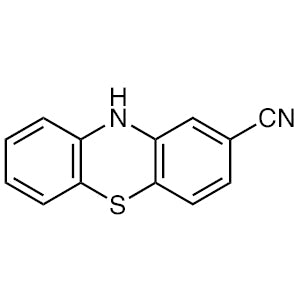
10H-Phenothiazine-2-carbonitrile TCI P2308
Regular price From Rp 848.400,00Regular price -
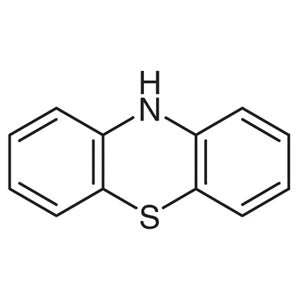
Phenothiazine TCI P0106
Regular price From Rp 477.750,00Regular price -
10-(4-Methoxyphenyl)-10H-phenothiazine TCI M3639
Regular price From Rp 2.625.000,00Regular price -
10-[2-(2-Methoxyethoxy)ethyl]-10H-phenothiazine TCI M3068
Regular price Rp 3.312.750,00Regular price -
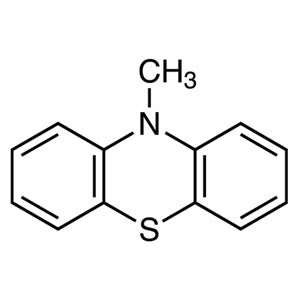
10-Methylphenothiazine TCI M2517
Regular price Rp 2.279.550,00Regular price


![2098786-35-5 10-[2-(2-Methoxyethoxy)ethyl]-10H-phenothiazine - AMI Scientific](http://amiscientific.com/cdn/shop/files/TCI2510M3068.jpg?v=1767127707&width=533)