3-(3-Methoxyphenoxy)propionic Acid is a chemical compound widely used in organic synthesis reactions within laboratory settings. It serves as a key building block in the development of complex molecular structures, particularly in pharmaceutical and chemical research. This compound is valued for its ability to participate in substitution reactions and bond formation, making it essential for the synthesis of bioactive compounds. Its stability and reactivity contribute to its popularity among chemists and researchers.
The compound's molecular structure provides a reliable foundation for further chemical modifications, allowing for the creation of a wide range of derivatives. Its chemical properties make it suitable for use in both academic and industrial laboratories. The compound’s versatility and predictable behavior under various reaction conditions enhance its utility in synthetic pathways. These characteristics ensure that it remains a preferred choice for researchers aiming to develop new compounds with specific functional groups.
In Indonesian laboratories, 3-(3-Methoxyphenoxy)propionic Acid is commonly used in pure chemistry and pharmaceutical research. Local scientists rely on this compound for synthesizing new compounds, drug development, and studies on the biological activity of specific molecules. Its availability in the local market supports ongoing research efforts, enabling scientists to conduct experiments with greater efficiency and accuracy.
Related TCI products
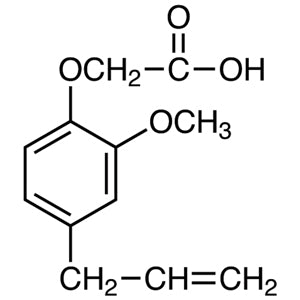
- TCI A3037 6331-61-9 (4-Allyl-2-methoxyphenoxy)acetic Acid
- TCI M3883 13794-15-5 2-(4-Methoxyphenoxy)propanoic Acid
- TCI M3547 1877-75-4 2-(4-Methoxyphenoxy)acetic Acid
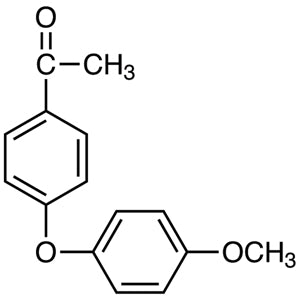
- TCI M2740 54916-28-8 4'-(4-Methoxyphenoxy)acetophenone
- TCI M1361 62373-80-2 3-(4-Methoxyphenoxy)benzaldehyde
- TCI M0692 1878-85-9 2-Methoxyphenoxyacetic Acid
- Organic synthesis reactions benefit from this compound due to its ability to participate in substitution and bond-forming processes, enabling the creation of complex molecular structures.
- Pharmaceutical research utilizes this compound as a building block for the development of bioactive molecules, supporting the design of new drugs and therapeutic agents.
- Chemical purity studies rely on this compound for its stable molecular structure, allowing for accurate analysis and characterization of synthetic products.
- Intermediate compound synthesis is supported by this material’s reactivity and compatibility with various reaction conditions, facilitating the production of specialized chemical intermediates.
- Bioactivity testing involves this compound as a starting material for the synthesis of compounds with specific biological functions, aiding in the evaluation of their therapeutic potential.
| Brand | TCI |
|---|---|
| CAS number | 49855-03-0 |
| Molecular formula | — |
| Purity | — |
| Category | Chemistry > Building Blocks > Non-Heterocyclic Building Blocks |
| Pack sizes | Available in standard laboratory quantities as per supplier specifications |
| Physical form | Solid or crystalline, depending on production batch |
| Storage | Store in a cool, dry place away from light and moisture |
This compound should be stored in a cool, dry environment, away from direct light and moisture to maintain its chemical stability. It is recommended to use airtight containers made of glass or inert plastic to prevent contamination and degradation. Due to its reactivity, it should be handled with care, using appropriate personal protective equipment such as gloves and safety goggles. In laboratory settings, it is important to ensure proper ventilation and to avoid exposure to incompatible substances. Proper labeling and storage conditions are essential to ensure safe handling and to prevent accidental reactions. Always follow standard laboratory safety protocols when working with this compound.
—
Produk Terkait
-
(4-Allyl-2-methoxyphenoxy)aceticAcid TCI A3037
Regular price From Rp 2.041.200,00Regular price -
2-(4-Methoxyphenoxy)propanoicAcid TCI M3883
Regular price From Rp 1.035.300,00Regular price -
2-(4-Methoxyphenoxy)aceticAcid TCI M3547
Regular price From Rp 1.193.850,00Regular price -
4'-(4-Methoxyphenoxy)acetophenone TCI M2740
Regular price Rp 1.087.800,00Regular price -
3-(4-Methoxyphenoxy)benzaldehyde TCI M1361
Regular price Rp 2.174.550,00Regular price -
2-MethoxyphenoxyaceticAcid TCI M0692
Regular price Rp 2.306.850,00Regular price -
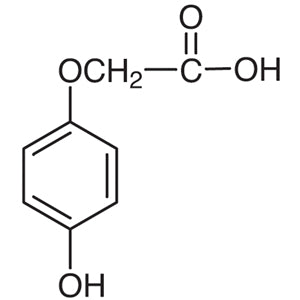
(4-Hydroxyphenoxy)aceticAcid TCI H0992
Regular price From Rp 1.565.550,00Regular price -
4-(3-Hydroxyphenoxy)benzoicAcid TCI H0641
Regular price From Rp 2.889.600,00Regular price