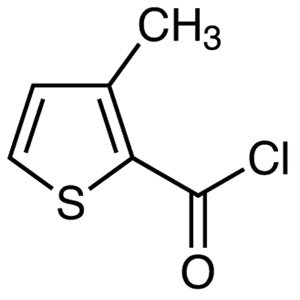
3-Methyl-2-thenoyl Chloride is a chemical compound widely used as a building block in the synthesis of heterocyclic compounds. It plays a crucial role in laboratory settings where the formation of carbon-carbon or carbon-oxygen bonds is required. This reagent is particularly valuable for creating complex molecular structures that are essential in various chemical processes. Its versatility makes it an important tool for researchers working in organic chemistry and pharmaceutical development.
The compound is known for its chemical stability under controlled conditions, although it is highly sensitive to moisture and air exposure. These properties necessitate careful handling and storage to maintain its effectiveness. Its sensitivity also makes it ideal for use in reactions that require a dry and controlled environment, ensuring the accuracy and reliability of experimental results. This characteristic is especially important in laboratories that prioritize precision and reproducibility in their research.
In Indonesian laboratories, 3-Methyl-2-thenoyl Chloride is commonly used in organic chemistry research and the synthesis of heterocyclic compounds. It is a key reagent in pharmaceutical studies and educational institutions, supporting both teaching and research activities. Its application spans various fields, including drug development and chemical synthesis, making it a valuable resource for academic and industrial research.
TCI brochures (PDF)
- Thiophenes 2026-06-29 · p. 3
Related TCI products
- TCI T0177 5271-67-0 2-Thenoyl Chloride
- TCI T2122 16629-19-9 2-Thiophenesulfonyl Chloride
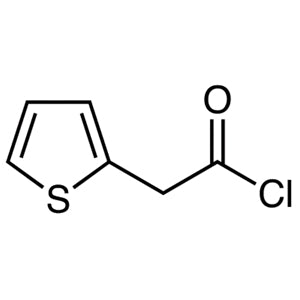
- TCI T1751 39098-97-0 Thiophene-2-acetyl Chloride
- TCI B4637 39827-11-7 Benzo[b]thiophene-2-carbonyl Chloride
- TCI B1940 4209-18-1 3-Benzyl-4-methylthiazolium Chloride
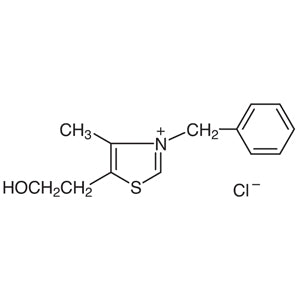
- TCI B1224 4568-71-2 3-Benzyl-5-(2-hydroxyethyl)-4-methylthiazolium Chloride
- Heterocyclic compound synthesis benefits from its reactivity in forming complex ring structures essential for pharmaceutical development.
- Organic chemistry research utilizes this compound for creating carbon-carbon and carbon-oxygen bonds in synthetic pathways.
- Pharmaceutical research leverages its role in the development of new drugs through controlled chemical reactions.
- Educational institutions use it to teach advanced organic synthesis techniques to students in chemistry and pharmacy programs.
- Industrial chemical processes incorporate it for the production of specialized compounds requiring precise molecular structures.
| Brand | TCI |
|---|---|
| CAS number | 61341-26-2 |
| Molecular formula | — |
| Purity | — |
| Category | Chemistry > Building Blocks > Heterocyclic Building Blocks |
| Pack sizes | Available in various quantities as per supplier specifications |
| Physical form | Liquid |
| Storage | Requires storage in a dry, cool, and well-ventilated area |
This compound should be stored in a dry, cool, and well-ventilated area to prevent moisture exposure and degradation. It is recommended to use airtight containers made of glass or high-density polyethylene to ensure protection from air and humidity. Due to its sensitivity, it should be handled in a controlled environment with minimal exposure to air and moisture. Laboratory personnel should wear appropriate personal protective equipment, such as gloves and safety goggles, when handling this material. Proper storage and handling are essential to maintain its chemical integrity and ensure safe usage in laboratory settings.
—
Produk Terkait
-
2-ThenoylChloride TCI T0177
Regular price Rp 1.035.300,00Regular price -
2-ThiophenesulfonylChloride TCI T2122
Regular price From Rp 2.809.800,00Regular price -
Thiophene-2-acetylChloride TCI T1751
Regular price Rp 1.776.600,00Regular price -
Benzo[b]thiophene-2-carbonylChloride TCI B4637
Regular price From Rp 1.167.600,00Regular price -
3-Benzyl-4-methylthiazoliumChloride TCI B1940
Regular price Rp 2.995.650,00Regular price -
3-Benzyl-5-(2-hydroxyethyl)-4-methylthiazoliumChloride TCI B1224
Regular price Rp 2.227.050,00Regular price -
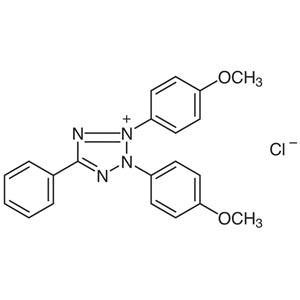
2,3-Bis(4-methoxyphenyl)-5-phenyltetrazoliumChloride TCI B1056
Regular price Rp 6.599.250,00Regular price -
2,3-Bis(4-nitrophenyl)-5-phenyltetrazoliumChloride TCI B1047
Regular price Rp 3.446.100,00Regular price


![39827-11-7 Benzo[b]thiophene-2-carbonyl Chloride - AMI Scientific](http://amiscientific.com/cdn/shop/files/TCI2510B4637_9d4e67db-4d59-4414-9881-fc1acfc72b84.jpg?v=1767437371&width=533)