Methyl 3-Amino-4-methoxybenzoate is a chemical compound widely used in organic synthesis reactions within laboratory settings. This compound serves as a building block for the creation of more complex molecules, playing a crucial role in the development of pharmaceuticals, specialty chemicals, and advanced materials. Its molecular structure contains both amino and methoxy functional groups, which contribute to its reactivity and versatility in chemical transformations. Due to its stability and predictable chemical behavior, it is a favored reagent among researchers aiming to synthesize novel compounds with specific functional properties.
The compound’s high reactivity and compatibility with various reaction conditions make it a preferred choice for synthetic chemists. It exhibits good solubility in organic solvents, facilitating efficient purification and isolation processes. Its ability to undergo substitution and condensation reactions enhances its applicability in diverse synthetic pathways. These characteristics make it a reliable and efficient reagent for both academic and industrial research environments.
In Indonesian laboratories, Methyl 3-Amino-4-methoxybenzoate is commonly used in organic chemistry and pharmaceutical research. It is a key component in the development of new drugs and chemical compounds, supporting innovation in both academic and applied research. Its availability and chemical properties make it a valuable resource for scientists working on complex molecular structures and functional group modifications.
Related TCI products
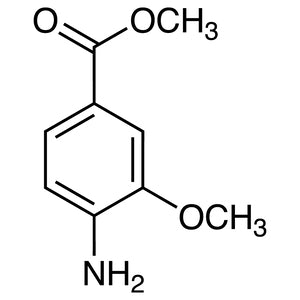
- TCI A3716 41608-64-4 Methyl 4-Amino-3-methoxybenzoate
- TCI M2822 5121-34-6 Methyl 2-Amino-3-methoxybenzoate
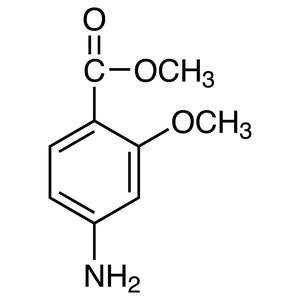
- TCI M1998 27492-84-8 Methyl 4-Amino-2-methoxybenzoate
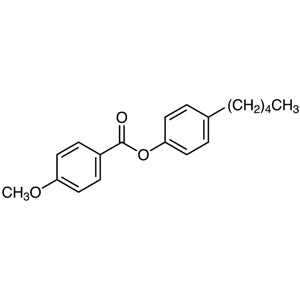
- TCI P2692 38444-13-2 4-Pentylphenyl 4-Methoxybenzoate
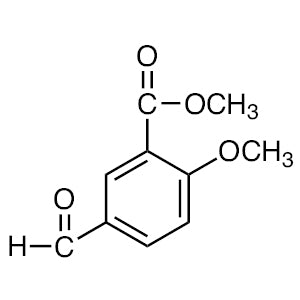
- TCI M3327 78515-16-9 Methyl 5-Formyl-2-methoxybenzoate
- TCI M2794 24093-81-0 Methyl 3,5-Dihydroxy-4-methoxybenzoate
- Organic synthesis is a primary application where this compound is used to build complex molecules due to its reactive functional groups and compatibility with various reaction conditions.
- Pharmaceutical research benefits from its use in the development of new drug compounds, as it can be modified to create bioactive molecules with desired therapeutic properties.
- Material science applications leverage its chemical versatility for the creation of advanced materials with specific functional characteristics.
- Analytical chemistry uses it as a reference standard for quality control and purity testing in chemical synthesis processes.
- Environmental studies may incorporate it in the analysis of chemical pollutants and their transformation mechanisms in different environments.
| Brand | TCI |
|---|---|
| CAS number | 24812-90-6 |
| Molecular formula | — |
| Purity | — |
| Category | Chemistry > Building Blocks > Non-Heterocyclic Building Blocks |
| Pack sizes | Available in various quantities as per supplier specifications |
| Physical form | Solid (exact form may vary based on supplier packaging) |
| Storage | Store in a cool, dry place away from direct sunlight and moisture |
This compound should be stored in a cool, dry environment to maintain its chemical stability and prevent degradation. It is recommended to keep it in a sealed container to avoid exposure to moisture and air, which can affect its reactivity. Proper ventilation should be ensured when handling the compound to minimize inhalation risks. Due to its chemical nature, it should be stored away from incompatible substances such as strong oxidizing agents. Laboratory personnel should wear appropriate personal protective equipment, including gloves and safety goggles, when handling this material to ensure safe working conditions. Regular monitoring of storage conditions is advised to maintain the integrity of the compound throughout its shelf life.
—
Produk Terkait
-
Methyl4-Amino-3-methoxybenzoate TCI A3716
Regular price From Rp 2.147.250,00Regular priceRp 1.517.250,00Sale price From Rp 2.147.250,00 -
Methyl2-Amino-3-methoxybenzoate TCI M2822
Regular price From Rp 2.252.250,00Regular priceRp 1.590.750,00Sale price From Rp 2.252.250,00 -
Methyl4-Amino-2-methoxybenzoate TCI M1998
Regular price From Rp 795.900,00Regular priceRp 572.250,00Sale price From Rp 795.900,00 -
4-Pentylphenyl4-Methoxybenzoate TCI P2692
Regular price Rp 2.914.800,00Regular priceRp 2.053.800,00Sale price Rp 2.914.800,00 -
Methyl5-Formyl-2-methoxybenzoate TCI M3327
Regular price From Rp 1.192.800,00Regular priceRp 849.450,00Sale price From Rp 1.192.800,00 -
Methyl3,5-Dihydroxy-4-methoxybenzoate TCI M2794
Regular price Rp 3.683.400,00Regular priceRp 2.591.400,00Sale price Rp 3.683.400,00 -
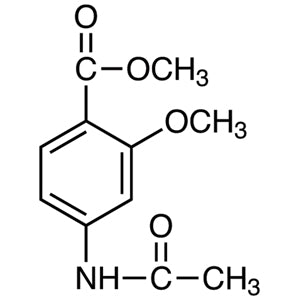
Methyl4-Acetamido-2-methoxybenzoate TCI M2776
Regular price From Rp 689.850,00Regular priceRp 497.700,00Sale price From Rp 689.850,00 -
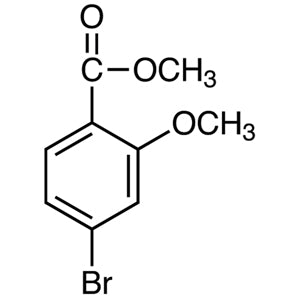
Methyl4-Bromo-2-methoxybenzoate TCI M2586
Regular price Rp 2.677.500,00Regular priceRp 1.887.900,00Sale price Rp 2.677.500,00