Methyl 2-Chloro-4-nitrobenzoate from TCI is an aromatic ester compound that holds an important position as a non-heterocyclic building block in organic synthesis. Its molecular structure combines three functional groups, each reactive and capable of being manipulated independently: the methyl ester group, the chlorine atom at the ortho position, and the nitro group located para to that chlorine. This combination makes it a highly useful intermediate in medicinal chemistry research laboratories, materials synthesis laboratories, and agrochemical development laboratories that require a doubly substituted benzoate framework as a starting point for constructing more complex molecules.
The characteristic that makes this compound widely chosen is its favorable electronic activation pattern. The nitro group is a strong electron-withdrawing substituent, so the aromatic ring becomes electron-poor and the neighboring chlorine atom becomes more readily displaced through nucleophilic aromatic substitution by amines, alkoxides, or thiols. On the other hand, the nitro group itself can be reduced to an aromatic amine, opening a pathway toward the formation of amides, ureas, or heterocyclic rings. The methyl ester provides a third handle that can be hydrolyzed or transformed separately, giving synthetic chemists three orthogonal points of modification on a single compact scaffold.
In Indonesian laboratories, this building block is typically used in university research groups and institutional laboratories running multi-step synthesis programs, as well as in the research and development units of pharmaceutical and agrochemical companies. It is commonly handled in fume hoods on a small to moderate scale, weighed out for reaction steps that are later purified by recrystallization or column chromatography. The TCI packaging format suits laboratories that consume such intermediates in measured quantities across several reaction campaigns rather than in bulk.
Related TCI products
- TCI M1996 51282-49-6 Methyl 5-Chloro-2-nitrobenzoate
- TCI M1779 14719-83-6 Methyl 4-Chloro-3-nitrobenzoate
- TCI C1732 6307-82-0 Methyl 2-Chloro-5-nitrobenzoate
- TCI C0939 42087-80-9 Methyl 4-Chloro-2-nitrobenzoate
- TCI B2255 76008-73-6 Ethyl 5-Bromo-2-chlorobenzoate
- TCI B1916 6942-36-5 Methyl 2-Bromo-5-nitrobenzoate
- Nucleophilic aromatic substitution studies — the activating nitro group makes the ortho chlorine readily displaced by amines, alkoxides, and thiols, giving reliable and predictable coupling behavior in method development work.
- Medicinal chemistry intermediate synthesis — the three orthogonal functional handles allow chemists to build substituted benzoate scaffolds step by step toward candidate molecules without protecting group complications at every stage.
- Aromatic amine preparation — the nitro group can be reduced to the corresponding aniline derivative, which then serves as a precursor for amide, urea, and heterocyclic ring formation in downstream chemistry.
- Agrochemical research and development — laboratories developing crop protection compounds use this doubly substituted benzoate framework as an early intermediate when building more elaborate active molecule structures.
- Materials synthesis research — the rigid aromatic core bearing ester and nitro functionality serves as a monomer precursor or linker component in laboratories investigating functional organic materials.
| Brand | TCI (Tokyo Chemical Industry) |
|---|---|
| CAS number | 13324-11-3 |
| Molecular formula | — |
| Purity | — |
| Category | Chemistry > Building Blocks > Non-Heterocyclic Building Blocks |
| Pack sizes | available in standard TCI research and laboratory-scale packaging units |
| Physical form | — |
| Storage | keep in the sealed original container under the conditions stated on the manufacturer label |
- Product Code: M1724
Store the container tightly closed in a cool, dry, and well-ventilated area away from direct sunlight, heat sources, strong bases, and strong reducing agents, following the conditions indicated on the manufacturer label. Keep the material in its original supplier container or in a clean, chemically compatible amber glass bottle with a secure closure to limit moisture uptake and contamination. Handle and weigh the compound inside a functioning fume hood while wearing safety glasses, nitrile gloves, and a laboratory coat, and avoid generating dust during transfer. Wash hands thoroughly after handling and collect residues and contaminated consumables as designated chemical waste. Consult the manufacturer safety data sheet before first use and keep it accessible in the laboratory.
—
Produk Terkait
-
Methyl5-Chloro-2-nitrobenzoate TCI M1996
Regular price From Rp 664.650,00Regular price -
Methyl4-Chloro-3-nitrobenzoate TCI M1779
Regular price From Rp 769.650,00Regular price -
Methyl2-Chloro-5-nitrobenzoate TCI C1732
Regular price From Rp 717.150,00Regular price -
Methyl4-Chloro-2-nitrobenzoate TCI C0939
Regular price Rp 2.491.650,00Regular price -
Ethyl5-Bromo-2-chlorobenzoate TCI B2255
Regular price From Rp 928.200,00Regular price -
Methyl2-Bromo-5-nitrobenzoate TCI B1916
Regular price From Rp 610.050,00Regular price -
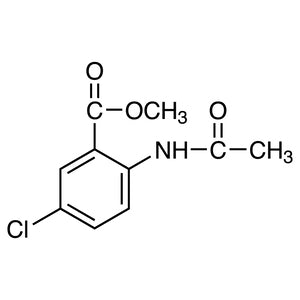
Methyl2-Acetamido-5-chlorobenzoate TCI A1609
Regular price Rp 769.650,00Regular price -
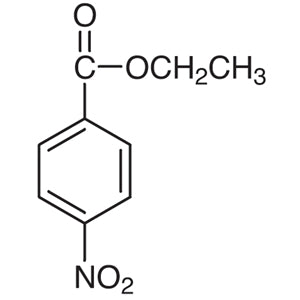
Ethyl4-Nitrobenzoate TCI N0485
Regular price Rp 743.400,00Regular price