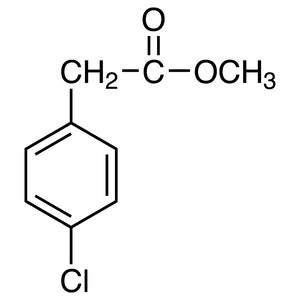
Methyl (4-Chlorophenyl)acetate is a chemical compound widely used as a building block in organic synthesis. It is a versatile reagent that plays a crucial role in various laboratory processes, particularly in the development of complex organic molecules. Its molecular structure consists of an ester group attached to a chlorinated phenyl ring, making it highly reactive and suitable for a range of chemical transformations. This compound is commonly employed in research settings where the synthesis of pharmaceuticals, industrial chemicals, and environmental compounds is required. Its stability and reactivity make it a reliable choice for chemists working on diverse projects.
The compound’s chemical properties, including its ester functionality and the presence of a chloro group, contribute to its effectiveness in multiple reactions such as hydrolysis, esterification, and substitution reactions. These characteristics allow it to participate in a wide array of synthetic pathways, making it a preferred choice for organic chemists. Its ability to undergo various chemical transformations without significant degradation ensures consistent results in laboratory experiments. Additionally, its availability in different packaging sizes enhances its usability in both small-scale and larger research applications.
In Indonesian laboratories, Methyl (4-Chlorophenyl)acetate is frequently used in organic chemistry research, especially in pharmaceutical and industrial chemical development. It is a key component in experiments that require a stable and reactive building block. Institutions and research centers in Indonesia rely on this compound for its reliability and versatility, supporting a wide range of scientific investigations.
Related TCI products
- Organic synthesis is a primary application where this compound serves as a key building block for creating complex molecules.
- Pharmaceutical research benefits from its reactivity and stability, allowing the synthesis of drug precursors and active ingredients.
- Industrial chemical development utilizes its functional groups for the production of specialty chemicals and intermediates.
- Environmental studies often incorporate it to model and analyze the behavior of chlorinated organic compounds in ecosystems.
- Academic research in chemistry relies on its versatility for teaching and experimental purposes in both undergraduate and graduate programs.
| Brand | TCI |
|---|---|
| CAS number | 52449-43-1 |
| Molecular formula | — |
| Purity | — |
| Category | Chemistry > Building Blocks > Non-Heterocyclic Building Blocks |
| Pack sizes | Available in various sizes to suit different laboratory needs |
| Physical form | Liquid |
| Storage | Store in a cool, dry place away from direct sunlight |
This compound should be stored in a cool, dry environment, away from direct sunlight and sources of heat. It is recommended to use airtight containers made of glass or high-density polyethylene to prevent contamination and maintain chemical integrity. Due to its reactive nature, it should be handled in a well-ventilated area, preferably under a fume hood, to minimize exposure. Avoid contact with incompatible materials such as strong acids or bases. Always wear appropriate personal protective equipment, including gloves, goggles, and a lab coat, when handling this substance. Proper labeling and storage are essential to ensure safety and compliance with laboratory protocols.
—
Produk Terkait
-
4-ChlorophenylAcetate TCI A3593
Regular price From Rp 3.949.050,00Regular price -
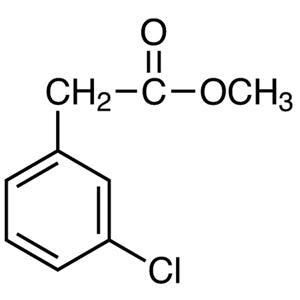
Methyl(3-Chlorophenyl)acetate TCI M2142
Regular price From Rp 1.298.850,00Regular price -
Ethyl2-(4-Chlorophenyl)acetate TCI C3925
Regular price From Rp 1.035.300,00Regular price -
2-ChlorophenylAcetate TCI C2120
Regular price From Rp 823.200,00Regular price -
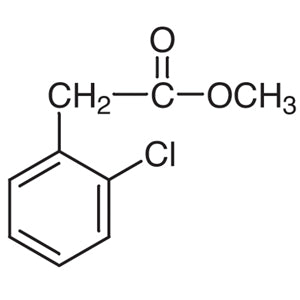
Methyl(2-Chlorophenyl)acetate TCI C1740
Regular price From Rp 1.696.800,00Regular price -
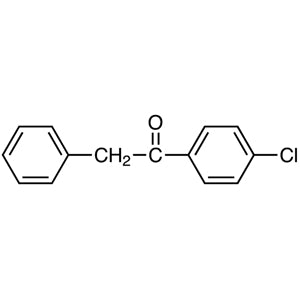
Benzyl4-ChlorophenylKetone TCI B4704
Regular price From Rp 848.400,00Regular price -
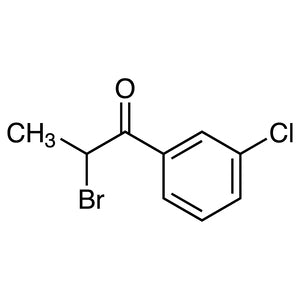
2-Bromo-1-(3-chlorophenyl)propan-1-one TCI B2932
Regular price From Rp 1.881.600,00Regular price -
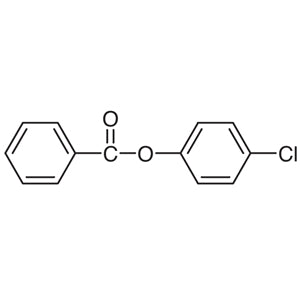
4-ChlorophenylBenzoate TCI B0063
Regular price Rp 2.174.550,00Regular price