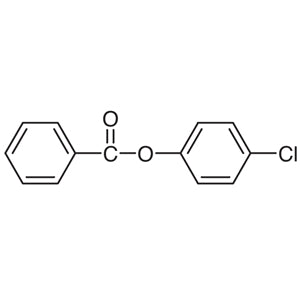
Methyl (3-Chlorophenyl)acetate is a chemical compound widely used as a building block in organic synthesis. It plays a crucial role in laboratories by enabling the creation of complex organic molecules, particularly those involving aromatic structures and ester functionalities. This compound is valued for its versatility and stability, making it an essential tool for researchers in various scientific disciplines. Its ability to participate in multiple chemical reactions, such as hydrolysis and esterification, enhances its utility in synthetic pathways.
The compound’s chemical properties, including its stability and reactivity in controlled environments, make it a preferred choice for synthetic chemists. It is compatible with both organic solvents and aqueous solutions, offering flexibility in reaction conditions. Its non-reactive nature also simplifies purification and isolation processes, reducing the complexity of laboratory workflows. These characteristics contribute to its widespread use in both academic and industrial research settings.
In Indonesian laboratories, Methyl (3-Chlorophenyl)acetate is commonly used in chemical research and development. It is a key component in the synthesis of pharmaceuticals, materials, and specialty chemicals. Its availability and reliability make it a standard reagent in both teaching and research laboratories across Indonesia. Its role in advancing scientific discovery is well recognized in the local scientific community.
Related TCI products
- Organic synthesis for creating aromatic and ester-based compounds due to its structural versatility and reactivity.
- Pharmaceutical research for developing new drug molecules that require ester functionalities in their structure.
- Material science applications in the production of polymers and specialty chemicals requiring functional group modification.
- Teaching laboratories for demonstrating esterification and hydrolysis reactions in undergraduate chemistry courses.
- Industrial research for the development of fine chemicals and intermediates in the chemical manufacturing sector.
| Brand | TCI |
|---|---|
| CAS number | 53088-68-9 |
| Molecular formula | — |
| Purity | — |
| Category | Chemistry > Building Blocks > Non-Heterocyclic Building Blocks |
| Pack sizes | Available in various quantities as per standard chemical supply practices |
| Physical form | Liquid |
| Storage | Store in a cool, dry place away from direct sunlight |
Methyl (3-Chlorophenyl)acetate should be stored in a cool, dry environment to maintain its chemical stability. It is recommended to keep the compound in a tightly sealed container to prevent exposure to moisture and air. Due to its potential reactivity under certain conditions, it should be stored away from strong oxidizing agents and incompatible substances. Appropriate personal protective equipment, such as gloves and safety goggles, should be worn when handling the compound. Regular monitoring of storage conditions is advised to ensure the integrity of the material. Proper labeling of containers is essential for safe handling and to prevent accidental misuse in the laboratory.
—
Produk Terkait
-
4-ChlorophenylAcetate TCI A3593
Regular price From Rp 3.949.050,00Regular price -
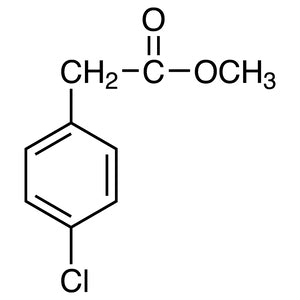
Methyl(4-Chlorophenyl)acetate TCI M2039
Regular price From Rp 769.650,00Regular price -
Ethyl2-(4-Chlorophenyl)acetate TCI C3925
Regular price From Rp 1.035.300,00Regular price -
2-ChlorophenylAcetate TCI C2120
Regular price From Rp 823.200,00Regular price -
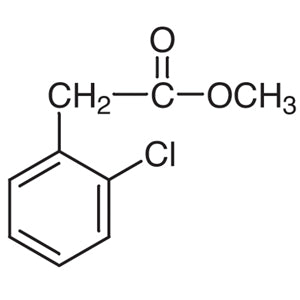
Methyl(2-Chlorophenyl)acetate TCI C1740
Regular price From Rp 1.696.800,00Regular price -
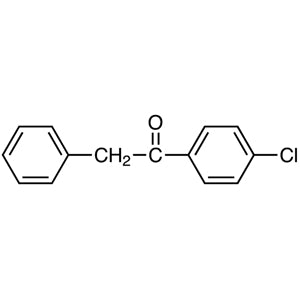
Benzyl4-ChlorophenylKetone TCI B4704
Regular price From Rp 848.400,00Regular price -
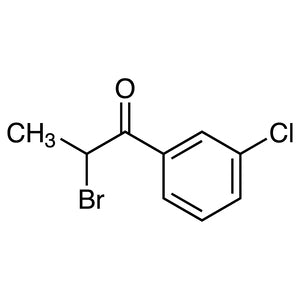
2-Bromo-1-(3-chlorophenyl)propan-1-one TCI B2932
Regular price From Rp 1.881.600,00Regular price -
4-ChlorophenylBenzoate TCI B0063
Regular price Rp 2.174.550,00Regular price