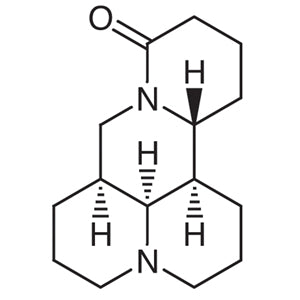
Matrine is a bioactive alkaloid derived from specific plant sources and widely utilized in life sciences research. As a key component in biochemical and pharmacological studies, it plays a critical role in understanding the molecular mechanisms of biological processes. Its presence in various scientific applications highlights its importance in both basic and applied research. Matrine is particularly valued for its potential as an antioxidant and anti-inflammatory agent, making it a versatile compound in the development of pharmaceuticals and health-related products.
The chemical stability and solubility of Matrine in organic solvents contribute to its popularity among researchers. These properties facilitate its use in a wide range of experimental procedures, from synthesis to analytical testing. Its resistance to environmental conditions also ensures consistent performance during long-term storage and repeated use. These characteristics make Matrine a reliable and efficient material for laboratory work, especially in environments where precision and reproducibility are essential.
In Indonesian laboratories, Matrine is commonly used in pharmacological and biochemical research. It supports studies on drug development, cellular interactions, and bioactive compound analysis. Its availability and reliability make it a preferred choice for researchers aiming to explore natural products and their therapeutic potential. The compound’s non-toxic nature further enhances its appeal for safe and sustainable research practices.
- Pharmacological research benefits from Matrine's bioactive properties, aiding in the study of drug mechanisms and therapeutic effects.
- Biochemical experiments utilize Matrine for its antioxidant and anti-inflammatory characteristics, supporting molecular and cellular studies.
- Drug development projects incorporate Matrine as a natural compound with potential for pharmaceutical applications.
- Analytical chemistry uses Matrine as a reference standard for identifying and quantifying alkaloids in complex mixtures.
- Cellular and tissue studies employ Matrine to investigate its effects on biological systems and molecular pathways.
| Brand | TCI |
|---|---|
| CAS number | 519-02-8 |
| Molecular formula | — |
| Purity | — |
| Category | Life Science > Biochemicals and Reagents > Alkaloids |
| Pack sizes | Available in various quantities as per standard laboratory requirements |
| Physical form | Solid powder |
| Storage | Store in a cool, dry place away from direct sunlight |
Matrine should be stored in a cool, dry environment to maintain its chemical stability and prevent degradation. It is recommended to use airtight containers to protect it from moisture and contaminants. Since it is non-toxic and relatively safe to handle, standard laboratory precautions are sufficient, though gloves and proper ventilation should be used during handling. Avoid exposure to extreme temperatures and direct sunlight to ensure long-term preservation. Regular monitoring of storage conditions helps maintain the integrity of the compound for consistent research outcomes.
—
Product Categories
- Biochemicals and ReagentsAlkaloidsPiperidine Alkaloids
- Biochemicals and ReagentsCrude Medicine Ingredients for Research and Experimental Use
- Cell BiologyCancer ResearchAntitumor Agents for Research
- Cell BiologyNutrition ResearchPhytochemicals
- Pharmaceutical Development and Drug Discovery ResearchCrude Medicine Ingredients for Research and Experimental Use
Produk Terkait
-
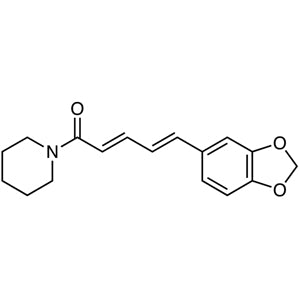
Piperine TCI P0460
Regular price From Rp 769.650,00Regular price -
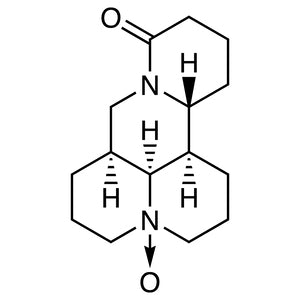
Oxymatrine TCI O0465
Regular price Rp 1.326.150,00Regular price -
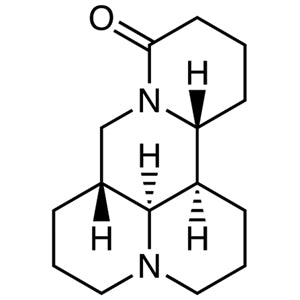
Sophoridine TCI M3093
Regular price From Rp 1.405.950,00Regular price -
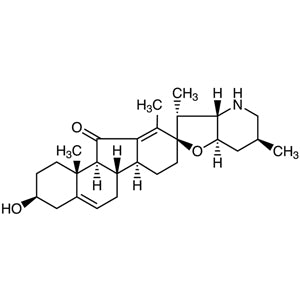
Jervine TCI J0009
Regular price Rp 8.003.100,00Regular price -
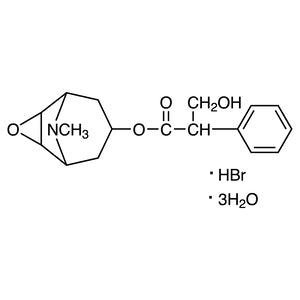
ScopolamineHydrobromideTrihydrate TCI S0021
Regular price From Rp 2.677.500,00Regular price -
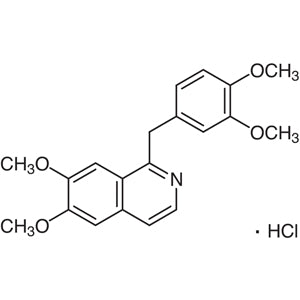
PapaverineHydrochloride TCI P0016
Regular price Rp 1.035.300,00Regular price -
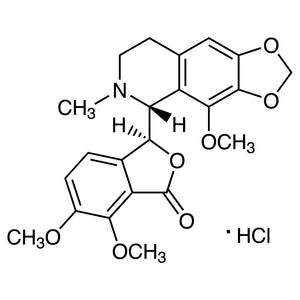
NoscapineHydrochloride TCI N0963
Regular price Rp 3.340.050,00Regular price -
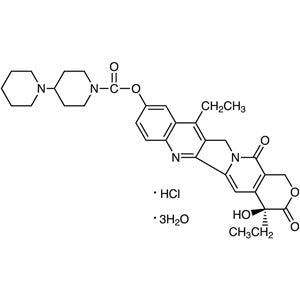
IrinotecanHydrochlorideTrihydrate TCI I0714
Regular price Rp 6.811.350,00Regular price