Papaverine Hydrochloride from TCI is the hydrochloride salt of papaverine, a benzylisoquinoline alkaloid found naturally in the opium poppy (Papaver somniferum). Morphine and some other opium alkaloids are known as narcotic analgesics. Papaverine is different: it is known mainly for relaxing smooth muscle. In life science laboratories, this compound serves as a pharmacological reference compound, an analytical standard for alkaloid work, and a research tool for studying signaling pathways that involve phosphodiesterase enzymes.
Researchers choose papaverine hydrochloride because its mechanism of action has been studied extensively. It inhibits phosphodiesterase, which raises intracellular levels of cyclic nucleotides. This makes it a useful comparator in smooth muscle pharmacology assays. As a hydrochloride salt, it dissolves in water more readily than the free base, so test solutions are easier to prepare. Its structure carries several methoxy groups, which also makes it a good model compound for developing chromatographic and spectroscopic analytical methods.
In Indonesia, papaverine hydrochloride is relevant to university pharmacology and pharmacy laboratories, natural product chemistry research groups, and analytical laboratories working on alkaloid identification. Academic researchers use it as a known reference when studying smooth muscle relaxation or phosphodiesterase-related signaling. Analytical chemists use it to set up and check methods for separating and detecting alkaloids. Because the material comes from TCI, laboratories get a recognized research-grade source for consistent experimental work.
TCI brochures (PDF)
- Traditional Medicine/Crude Medicine Research Reagents 2024-09-11 · p. 1
- Alkaloids 2025-10-10 · p. 4
- Plant Research Reagents 2026-02-24 · p. 8
- Phytochemicals 2025-12-17 · p. 4
- Pharmacological reference compound: Papaverine hydrochloride's smooth muscle relaxant activity is well documented, so it works as a reliable positive control or comparator in isolated tissue and smooth muscle assays.
- Phosphodiesterase research: Because it inhibits phosphodiesterase and raises intracellular cyclic nucleotide levels, it helps researchers study signaling pathways that depend on these second messengers.
- Alkaloid analytical standard: As a defined benzylisoquinoline alkaloid, it can serve as a reference standard when identifying and comparing alkaloids in natural product or plant extract analysis.
- Chromatographic method development: Its distinctive structure with several methoxy groups makes it a practical model compound for optimizing separation conditions in liquid chromatography methods.
- Spectroscopic studies: Its aromatic, methoxy-substituted structure gives it characteristic spectral features, which suit it for spectroscopic method development and for teaching structural analysis.
| Brand | TCI (product code P0016) |
|---|---|
| CAS number | 61-25-6 |
| Molecular formula | — |
| Purity | — |
| Category | Life Science > Biochemicals and Reagents > Alkaloids |
| Pack sizes | as listed on the product page |
| Physical form | — |
| Storage | follow the conditions on the TCI label and Safety Data Sheet |
- Form: hydrochloride salt of papaverine, more water-soluble than the free base
Keep Papaverine Hydrochloride in its original, tightly closed container, in a cool, dry, well-ventilated place away from direct light, moisture, and incompatible substances such as strong oxidizing agents. Always check the TCI product label and Safety Data Sheet for the exact recommended storage conditions. Because it is a pharmacologically active alkaloid, handle it with appropriate personal protective equipment, including gloves, a lab coat, and safety glasses. Avoid creating dust and avoid inhaling or ingesting it. Weigh and prepare solutions in a fume hood or a well-ventilated area. Label prepared solutions clearly, keep the material away from food and drink, and dispose of waste according to institutional and local chemical waste regulations.
—
Product Categories
- Biochemicals and ReagentsAlkaloidsIsoquinoline Alkaloids
- Biochemicals and ReagentsCrude Medicine Ingredients for Research and Experimental Use
- Cell BiologyCancer ResearchAntitumor Agents for Research
- Cell BiologyNutrition ResearchPhytochemicals
- Pharmaceutical Development and Drug Discovery ResearchCrude Medicine Ingredients for Research and Experimental Use
Produk Terkait
-
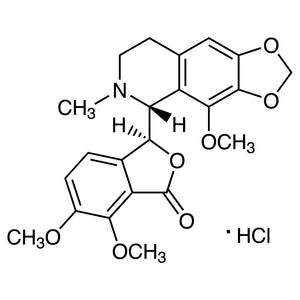
NoscapineHydrochloride TCI N0963
Regular price Rp 3.392.550,00Regular priceRp 2.387.700,00Sale price Rp 3.392.550,00 -
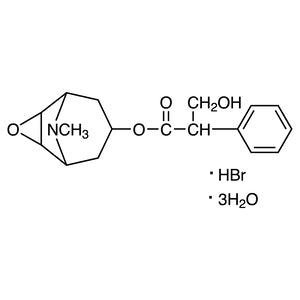
ScopolamineHydrobromideTrihydrate TCI S0021
Regular price From Rp 2.730.000,00Regular priceRp 1.924.650,00Sale price From Rp 2.730.000,00 -
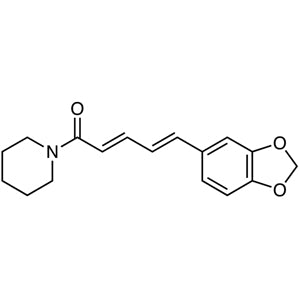
Piperine TCI P0460
Regular price From Rp 822.150,00Regular priceRp 590.100,00Sale price From Rp 822.150,00 -
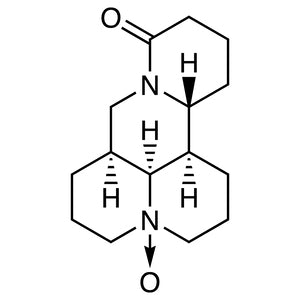
Oxymatrine TCI O0465
Regular price Rp 1.378.650,00Regular priceRp 979.650,00Sale price Rp 1.378.650,00 -
Sophoridine TCI M3093
Regular price From Rp 1.458.450,00Regular priceRp 1.035.300,00Sale price From Rp 1.458.450,00 -
Matrine TCI M2120
Regular price From Rp 4.081.350,00Regular priceRp 2.869.650,00Sale price From Rp 4.081.350,00 -
IrinotecanHydrochlorideTrihydrate TCI I0714
Regular price Rp 6.863.850,00Regular priceRp 4.815.300,00Sale price Rp 6.863.850,00 -
Caffeine TCI C2042
Regular price From Rp 530.250,00Regular priceRp 386.400,00Sale price From Rp 530.250,00