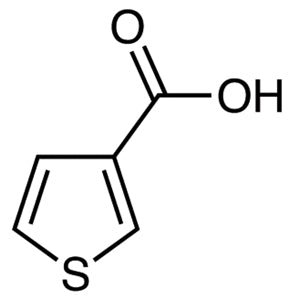
5-Methyl-2-(2-nitroanilino)-3-thiophenecarbonitrile is a complex organic compound widely used in synthetic chemistry applications. As a heterocyclic building block, it plays a crucial role in the development of molecules with intricate structures. This compound is valued for its versatility in chemical reactions, making it an essential tool in modern laboratory settings. Its unique molecular structure enables it to participate in various reaction mechanisms, including nucleophilic substitution and condensation reactions. Due to its reactivity and specificity, it is frequently utilized in research requiring precise chemical control.
The compound's molecular structure features a thiophene ring and a nitroanilino group, which contribute to its reactivity and functional versatility. These functional groups allow it to interact with a variety of reagents, making it suitable for a wide range of synthetic pathways. Its chemical stability under controlled conditions further enhances its utility in laboratory environments. These properties make it a preferred choice for chemists aiming to synthesize complex molecules with specific biological or material properties.
In Indonesian laboratories, this compound is commonly used in pharmaceutical and organic chemistry research. It supports the development of new drugs and materials with targeted biological activities. Its availability in the local market facilitates research efforts, enabling scientists to conduct experiments efficiently. Institutions and research centers rely on this compound for advancing their studies in bioactive compounds and advanced chemical synthesis.
TCI brochures (PDF)
- Thiophenes 2026-06-29 · p. 10
Related TCI products
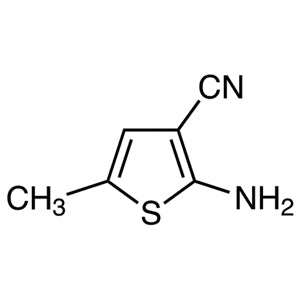
- TCI A2351 138564-58-6 2-Amino-5-methyl-3-thiophenecarbonitrile
- TCI A3039 103646-82-8 5-Amino-1-(p-tolyl)pyrazole-4-carbonitrile
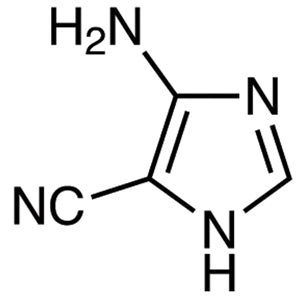
- TCI A1282 5098-11-3 4-Amino-1H-imidazole-5-carbonitrile
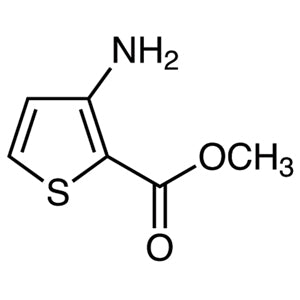
- TCI A1039 22288-78-4 Methyl 3-Amino-2-thiophenecarboxylate
- TCI T1140 2361-27-5 2-Thiophenecarboxylic Hydrazide
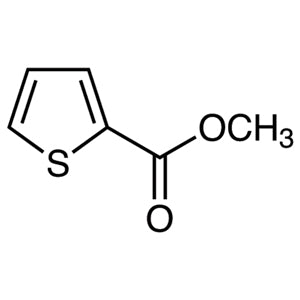
- TCI T1139 5380-42-7 Methyl 2-Thiophenecarboxylate
- Organic synthesis in pharmaceutical research due to its reactivity and ability to form complex molecular structures.
- Development of bioactive compounds for drug discovery as it can participate in nucleophilic and condensation reactions.
- Material science applications where heterocyclic compounds are needed for creating advanced polymers and functional materials.
- Academic research in chemistry departments for teaching and experimental purposes involving heterocyclic building blocks.
- Biochemistry studies where the compound is used to synthesize molecules with specific biological functions and properties.
| Brand | TCI |
|---|---|
| CAS number | 138564-59-7 |
| Molecular formula | — |
| Purity | — |
| Category | Chemistry > Building Blocks > Heterocyclic Building Blocks |
| Pack sizes | Available in standard laboratory quantities |
| Physical form | Solid or liquid, depending on supplier packaging |
| Storage | Store in a cool, dry place away from light and incompatible materials |
This compound should be stored in a cool, dry environment, away from direct sunlight and sources of heat. It is recommended to use airtight containers to prevent moisture absorption and contamination. Due to its chemical reactivity, it should be kept separate from strong oxidizing or reducing agents. Proper labeling of containers is essential for safety and identification. In laboratory settings, it should be handled with appropriate personal protective equipment, such as gloves and safety goggles. Regular monitoring of storage conditions ensures the compound remains stable and suitable for use in chemical synthesis.
—
Produk Terkait
-
2-Amino-5-methyl-3-thiophenecarbonitrile TCI A2351
Regular price From Rp 928.200,00Regular price -
5-Amino-1-(p-tolyl)pyrazole-4-carbonitrile TCI A3039
Regular price Rp 3.312.750,00Regular price -
4-Amino-1H-imidazole-5-carbonitrile TCI A1282
Regular price From Rp 6.970.950,00Regular price -
Methyl3-Amino-2-thiophenecarboxylate TCI A1039
Regular price From Rp 1.538.250,00Regular price -
2-ThiophenecarboxylicHydrazide TCI T1140
Regular price Rp 2.439.150,00Regular price -
Methyl2-Thiophenecarboxylate TCI T1139
Regular price From Rp 848.400,00Regular price -
3-ThiophenecarboxylicAcid TCI T1084
Regular price From Rp 1.644.300,00Regular price -
Ethyl2-Thiophenecarboxylate TCI T0904
Regular price From Rp 1.035.300,00Regular price