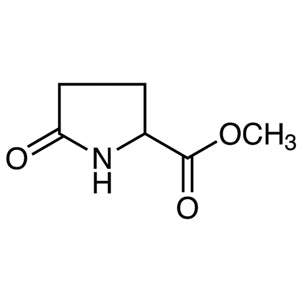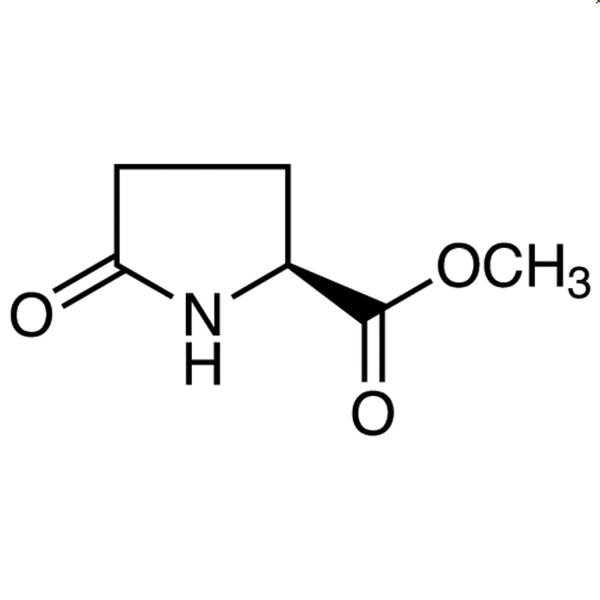
Methyl L-Pyroglutamate is a chemical compound widely used in scientific research, particularly in the fields of chemical biology and peptide chemistry. This compound plays a crucial role in the synthesis of peptides and the modification of proteins, offering researchers a versatile tool for creating complex molecular structures. Its unique chemical structure enables it to participate in various biochemical reactions, making it an essential component in modern laboratory workflows. Due to its stability and reactivity, Methyl L-Pyroglutamate is highly valued for its ability to support a wide range of experimental applications.
The compound is known for its chemical stability and favorable reactivity, which make it a preferred choice in laboratory settings. It dissolves well in organic solvents, simplifying its handling and integration into experimental procedures. Its non-toxic nature and ease of manipulation further enhance its appeal for use in both academic and industrial research environments. These properties ensure that it remains a reliable and effective reagent for a variety of chemical and biological applications.
In Indonesian laboratories, Methyl L-Pyroglutamate is commonly used in biochemical, pharmacological, and protein technology research. Its relevance extends to studies in medicine, biotechnology, and environmental science, particularly within higher education institutions and research organizations. This compound supports the development of new therapeutic strategies and contributes to the advancement of scientific knowledge in various disciplines.
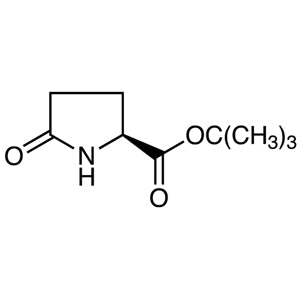
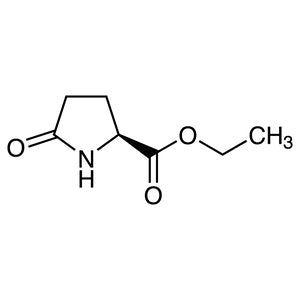
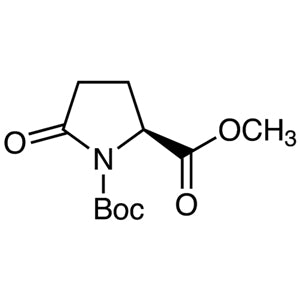
Related TCI products
- TCI B5216 91229-91-3 tert-Butyl N-(tert-Butoxycarbonyl)-L-pyroglutamate
- TCI B4026 35418-16-7 tert-Butyl L-Pyroglutamate
- TCI P2929 7149-65-7 Ethyl L-Pyroglutamate
- TCI M2803 108963-96-8 Methyl N-(tert-Butoxycarbonyl)-L-pyroglutamate
- TCI M2720 54571-66-3 Methyl DL-Pyroglutamate
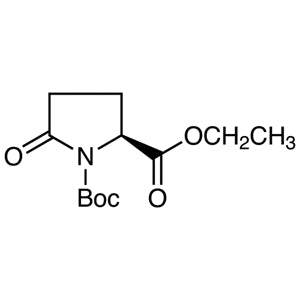
- TCI E1135 144978-12-1 Ethyl N-(tert-Butoxycarbonyl)-L-pyroglutamate
- Biochemical research utilizes Methyl L-Pyroglutamate for synthesizing peptides and modifying proteins due to its structural versatility and reactivity.
- Pharmacological studies benefit from its role in drug development, as it aids in the creation of bioactive molecules with therapeutic potential.
- Protein engineering applications leverage its ability to enhance peptide structures, supporting the design of novel biomolecules.
- Environmental research employs it in the analysis of molecular interactions, contributing to the understanding of ecological processes.
- Biotechnology projects use it to develop innovative methods for protein modification and functional analysis in laboratory settings.
| Brand | TCI |
|---|---|
| CAS number | 4931-66-2 |
| Molecular formula | — |
| Purity | — |
| Category | Chemistry > Chemical Biology > Peptide Chemistry |
| Pack sizes | As available from supplier |
| Physical form | Solid (as per standard product description) |
| Storage | Store in a cool, dry place away from light |
Methyl L-Pyroglutamate should be stored in a cool, dry environment, away from direct sunlight and sources of heat. It is recommended to keep the compound in a sealed container to prevent moisture absorption and maintain its chemical integrity. For optimal storage, it should be placed in a well-ventilated area to minimize exposure to air contaminants. When handling, it is advisable to use appropriate personal protective equipment, such as gloves and safety goggles, to ensure laboratory safety. The compound is non-toxic, but standard laboratory precautions should still be followed to maintain a safe working environment. Proper storage and handling practices help preserve the compound's effectiveness and ensure its suitability for various research applications.
—
Product Categories
Produk Terkait
-
tert-ButylN-(tert-Butoxycarbonyl)-L-pyroglutamate TCI B5216
Regular price From Rp 1.035.300,00Regular price -
tert-ButylL-Pyroglutamate TCI B4026
Regular price From Rp 477.750,00Regular price -
EthylL-Pyroglutamate TCI P2929
Regular price From Rp 848.400,00Regular price -
MethylN-(tert-Butoxycarbonyl)-L-pyroglutamate TCI M2803
Regular price From Rp 689.850,00Regular price -
MethylDL-Pyroglutamate TCI M2720
Regular price From Rp 505.050,00Regular price -
EthylN-(tert-Butoxycarbonyl)-L-pyroglutamate TCI E1135
Regular price From Rp 452.550,00Regular price -
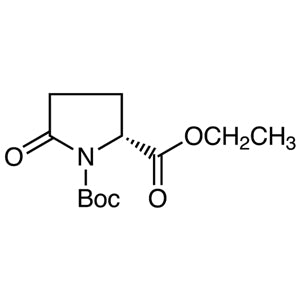
EthylN-(tert-Butoxycarbonyl)-D-pyroglutamate TCI E0940
Regular price From Rp 505.050,00Regular price -
N-(tert-Butoxycarbonyl)-L-pyroglutamicAcid TCI B4083
Regular price Rp 1.326.150,00Regular price