5-Methyl N-Carbobenzoxy-L-glutamate is a chemical compound widely used in chemical and biochemical experiments. It serves as a key reagent in peptide synthesis and molecular biology applications. This compound is particularly valuable for its ability to participate in esterification reactions, allowing it to form stable bonds with carboxyl groups. Its role in functional group attachment makes it indispensable in various synthetic processes. In laboratory settings, it is frequently employed to enhance the efficiency of chemical reactions that require specific functional group modifications. Its versatility and reliability make it a preferred choice for researchers in both academic and industrial environments.
This compound is preferred due to its chemical stability and reactivity under controlled laboratory conditions. It exhibits consistent performance across a range of experimental protocols, making it a reliable component in synthetic pathways. Its ability to undergo esterification reactions with carboxyl groups enables precise molecular modifications, which are essential in drug development and biochemical research. The compound’s predictable behavior and compatibility with various reagents further enhance its utility in laboratory workflows. These properties contribute to its widespread use in both research and industrial applications.
In Indonesian laboratories, 5-Methyl N-Carbobenzoxy-L-glutamate is commonly used in biochemical and pharmacological studies. It plays a crucial role in peptide synthesis, molecular modification, and drug development projects. Many research institutions and universities in Indonesia rely on this compound for experiments involving functional group attachment and molecular structure optimization. Its application in these contexts highlights its importance in advancing scientific research and innovation in the region.
- Peptide Synthesis for biomedical research due to its ability to facilitate functional group attachment in complex molecular structures.
- Molecular Modification in pharmacological studies to enhance drug activity and improve therapeutic efficacy.
- Chemical Reactions in synthetic chemistry laboratories for the development of new compounds and materials.
- Biochemical Experiments for studying molecular interactions and biological processes in controlled environments.
- Drug Development Projects for creating novel therapeutics through targeted molecular modifications.
| Brand | TCI |
|---|---|
| CAS number | 4652-65-7 |
| Molecular formula | — |
| Purity | — |
| Category | Chemistry > Chemical Biology > Peptide Chemistry |
| Pack sizes | Available in standard laboratory quantities |
| Physical form | Solid powder |
| Storage | Store in a cool, dry place away from moisture and direct sunlight |
This compound should be stored in a cool, dry environment to maintain its chemical integrity. It is recommended to keep it in airtight containers to prevent moisture absorption and contamination. Avoid exposure to direct sunlight and high humidity levels, as these can affect its stability. When handling, ensure proper ventilation and use appropriate personal protective equipment. The compound is generally stable under standard laboratory conditions but should be stored separately from incompatible substances. Always follow standard laboratory safety protocols to ensure safe usage and storage.
—
Produk Terkait
-
TCI B5774 5,10-Bis(4,4,5,5-tetramethyl-1,3,2-dioxaborolan-2-yl)naphtho[1,2-c:5,6-c']bis([1,2,5]oxadiazole)
Regular price Rp 10.255.350,00Regular price -
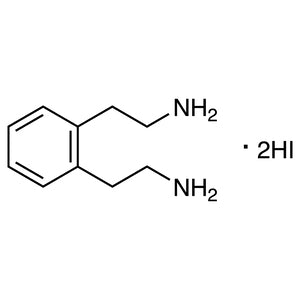
Dihydroiodide TCI B6569
Regular price From Rp 1.936.200,00Regular price -
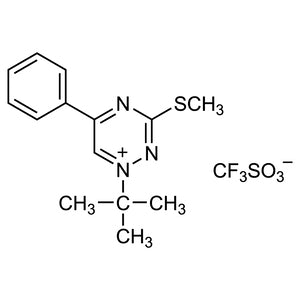
Trifluoromethanesulfonate TCI B7003
Regular price From Rp 1.936.200,00Regular price
![5,10-Bis(4,4,5,5-tetramethyl-1,3,2-dioxaborolan-2-yl)naphtho[1,2-c:5,6-c']bis([1,2,5]oxadiazole) - TCI B5774 - AMI Scientific](http://amiscientific.com/cdn/shop/files/TCI2510B5774.jpg?v=1769180228&width=533)