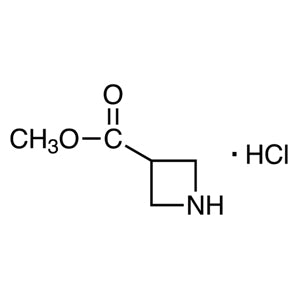
Methyl Azetidine-3-carboxylate Hydrochloride is a chemical compound widely used in organic synthesis reactions, particularly in the development of heterocyclic compounds. This material serves as a key building block in laboratories, enabling the construction of complex molecular structures through various chemical transformations. Its role is essential in the synthesis of pharmaceuticals, agrochemicals, and other specialty chemicals, where precise molecular design is required. Due to its versatility and reactivity, it is a fundamental reagent in both academic and industrial research settings.
The compound is valued for its stable chemical structure and favorable reactivity, which allow for efficient and selective chemical reactions. Its solubility in organic solvents enhances its usability in purification and reaction processes, making it a preferred choice for chemists. The compound’s ability to participate in multiple synthetic pathways further solidifies its importance in the field of organic chemistry. These properties make it a reliable and effective reagent for a wide range of applications.
In Indonesian laboratories, Methyl Azetidine-3-carboxylate Hydrochloride is commonly used in organic chemistry research, especially in the development of new compounds with pharmaceutical or industrial applications. It is also utilized in educational settings to teach students about organic synthesis and the behavior of heterocyclic compounds. Its presence in both research and teaching environments highlights its significance in the chemical sciences.
TCI brochures (PDF)
- Amino Acids and Peptide Synthesis Reagents 2025-08-14 · p. 26
Related TCI products
- TCI B3540 142253-55-2 1-(tert-Butoxycarbonyl)azetidine-3-carboxylic Acid
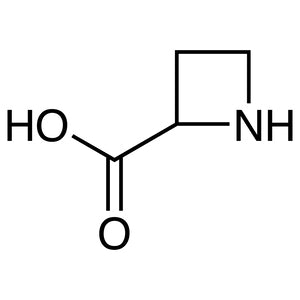
- TCI A3562 2517-04-6 Azetidine-2-carboxylic Acid
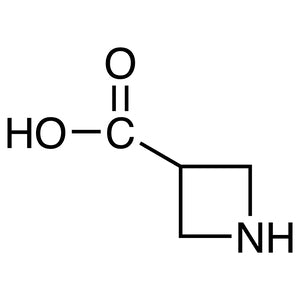
- TCI A1646 36476-78-5 Azetidine-3-carboxylic Acid
- TCI B4271 325775-44-8 tert-Butyl 3-(Aminomethyl)azetidine-1-carboxylate
- TCI M3370 2507954-87-0 tert-Butyl 3-(4-Methylbenzyl)-3-(4,4,5,5-tetramethyl-1,3,2-dioxaborolan-2-yl)azetidine-1-carboxylate
- TCI M3369 2507954-88-1 tert-Butyl 3-(4-Methoxybenzyl)-3-(4,4,5,5-tetramethyl-1,3,2-dioxaborolan-2-yl)azetidine-1-carboxylate
- Organic synthesis of heterocyclic compounds due to its reactivity and structural versatility.
- Development of pharmaceuticals and agrochemicals through targeted molecular modifications.
- Educational use in teaching organic chemistry and heterocyclic compound reactivity.
- Research in medicinal chemistry for the design of bioactive molecules.
- Industrial applications in the production of specialty chemicals requiring precise molecular structures.
| Brand | TCI |
|---|---|
| CAS number | 100202-39-9 |
| Molecular formula | — |
| Purity | — |
| Category | Chemistry > Building Blocks > Heterocyclic Building Blocks |
| Pack sizes | As per supplier specifications |
| Physical form | Solid (as per standard product description) |
| Storage | Store in a cool, dry place away from moisture and direct sunlight. |
Methyl Azetidine-3-carboxylate Hydrochloride should be stored in a cool, dry environment to maintain its chemical stability. It is recommended to keep the compound in airtight containers to prevent exposure to moisture and contaminants. Due to its chemical nature, it should be handled with care, using appropriate personal protective equipment such as gloves and safety goggles. Avoid direct contact with skin and eyes, and ensure proper ventilation when working with the compound. It is important to store it away from incompatible substances to prevent any potential chemical reactions. Proper storage conditions help preserve the integrity and effectiveness of the compound for laboratory use.
—
Product Categories
Produk Terkait
-
1-(tert-Butoxycarbonyl)azetidine-3-carboxylicAcid TCI B3540
Regular price From Rp 955.500,00Regular price -
Azetidine-2-carboxylicAcid TCI A3562
Regular price From Rp 2.199.750,00Regular price -
Azetidine-3-carboxylicAcid TCI A1646
Regular price From Rp 1.167.600,00Regular price -
tert-Butyl3-(Aminomethyl)azetidine-1-carboxylate TCI B4271
Regular price From Rp 2.809.800,00Regular price -
tert-Butyl3-(4-Methylbenzyl)-3-(4,4,5,5-tetramethyl-1,3,2-dioxaborolan-2-yl)azetidine-1-carboxylate TCI M3370
Regular price From Rp 1.936.200,00Regular price -
tert-Butyl3-(4-Methoxybenzyl)-3-(4,4,5,5-tetramethyl-1,3,2-dioxaborolan-2-yl)azetidine-1-carboxylate TCI M3369
Regular price From Rp 2.227.050,00Regular price -
tert-Butyl3-(Methylamino)azetidine-1-carboxylate TCI D6487
Regular price From Rp 1.167.600,00Regular price -
tert-Butyl3-(2-Ethoxy-2-oxoethylidene)azetidine-1-carboxylate TCI B6012
Regular price From Rp 823.200,00Regular price