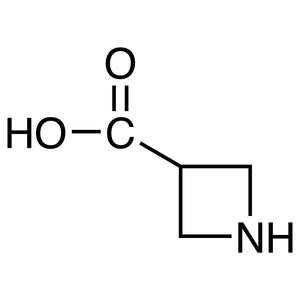
Azetidine-3-carboxylic acid is a chemical compound widely used in laboratory settings for the synthesis of heterocyclic compounds. It serves as a fundamental building block in organic chemistry, enabling the creation of complex molecules with biological activity. This compound is particularly valuable in research aimed at developing new pharmaceuticals and bioactive substances. Its chemical structure consists of a three-membered azetidine ring linked to a carboxylic acid group, making it a versatile intermediate in various synthetic pathways.
The compound's simplicity and flexibility in chemical structure make it a preferred choice for researchers. It exhibits stable chemical properties under controlled conditions but remains reactive under extreme temperatures or high humidity. Its solubility in organic solvents such as ethyl acetate and acetone further enhances its utility in laboratory applications. These characteristics allow it to participate in a range of chemical reactions, including acylation, coupling, and substitution, making it an essential reagent in synthetic chemistry.
In Indonesian laboratories, Azetidine-3-carboxylic acid is commonly used in pharmacological research, organic chemistry studies, and the synthesis of bioactive compounds. Researchers from academic institutions and research centers rely on this compound to develop new drugs and functional molecules. Its availability and chemical versatility make it a key component in advancing scientific research in Indonesia.
TCI brochures (PDF)
- Amino Acids and Peptide Synthesis Reagents 2025-08-14 · p. 7
Related TCI products
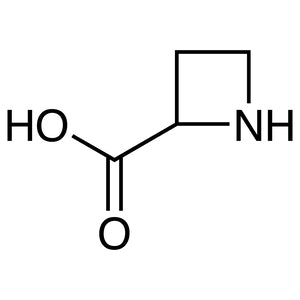
- TCI A3562 2517-04-6 Azetidine-2-carboxylic Acid
- TCI B3540 142253-55-2 1-(tert-Butoxycarbonyl)azetidine-3-carboxylic Acid
- TCI A1043 2133-34-8 L-Azetidine-2-carboxylic Acid [Antagonist of L-Proline]
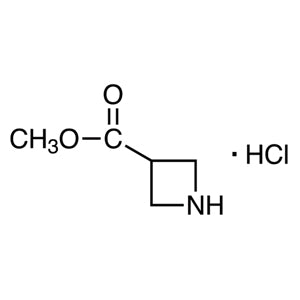
- TCI M2521 100202-39-9 Methyl Azetidine-3-carboxylate Hydrochloride
- TCI T4195 67123-97-1 H-DL-Tic-OH
- TCI F1099 193693-64-0 1-[(9H-Fluoren-9-ylmethoxy)carbonyl]azetidine-3-carboxylic Acid
- Used in organic synthesis for constructing complex heterocyclic structures due to its reactive azetidine ring and carboxylic acid functionality.
- Applied in pharmaceutical research to develop bioactive compounds with potential therapeutic applications.
- Utilized in medicinal chemistry for modifying existing drug molecules to enhance their pharmacological properties.
- Employed in academic research settings for teaching and experimental studies in synthetic chemistry.
- Integrated into drug discovery programs to explore new chemical entities with biological activity.
| Brand | TCI |
|---|---|
| CAS number | 36476-78-5 |
| Molecular formula | — |
| Purity | — |
| Category | Chemistry > Building Blocks > Heterocyclic Building Blocks |
| Pack sizes | Available in various quantities as per supplier specifications |
| Physical form | Solid (as per standard product description) |
| Storage | Store in a cool, dry place away from moisture and direct sunlight |
Azetidine-3-carboxylic acid should be stored in a cool, dry environment to maintain its chemical stability. It is recommended to keep the compound in a sealed container to prevent exposure to moisture and humidity, which can affect its reactivity. The container should be made of a material that is chemically inert to avoid any unwanted reactions. In laboratory settings, it is important to handle the compound with care, using appropriate personal protective equipment. Storage should be in a well-ventilated area to minimize any potential risks associated with its chemical properties. Proper labeling and safe handling procedures are essential to ensure the compound remains safe and effective for use in research applications.
—
Product Categories
Produk Terkait
-
Azetidine-2-carboxylicAcid TCI A3562
Regular price From Rp 2.252.250,00Regular priceRp 1.590.750,00Sale price From Rp 2.252.250,00 -
1-(tert-Butoxycarbonyl)azetidine-3-carboxylicAcid TCI B3540
Regular price From Rp 1.008.000,00Regular priceRp 720.300,00Sale price From Rp 1.008.000,00 -
L-Azetidine-2-carboxylicAcid[AntagonistofL-Proline] TCI A1043
Regular price From Rp 1.378.650,00Regular priceRp 979.650,00Sale price From Rp 1.378.650,00 -
MethylAzetidine-3-carboxylateHydrochloride TCI M2521
Regular price From Rp 1.723.050,00Regular priceRp 1.220.100,00Sale price From Rp 1.723.050,00 -
H-DL-Tic-OH TCI T4195
Regular price Rp 2.411.850,00Regular priceRp 1.702.050,00Sale price Rp 2.411.850,00 -
1-[(9H-Fluoren-9-ylmethoxy)carbonyl]azetidine-3-carboxylicAcid TCI F1099
Regular price Rp 2.306.850,00Regular priceRp 1.628.550,00Sale price Rp 2.306.850,00 -
(S)-(-)-1,2,3,4-Tetrahydroisoquinoline-3-carboxylicAcid TCI T1515
Regular price From Rp 795.900,00Regular priceRp 572.250,00Sale price From Rp 795.900,00 -
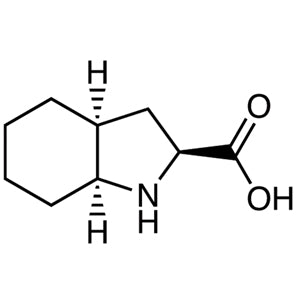
(2S,3aS,7aS)-Octahydro-1H-indole-2-carboxylicAcid TCI O0370
Regular price From Rp 1.618.050,00Regular priceRp 1.146.600,00Sale price From Rp 1.618.050,00