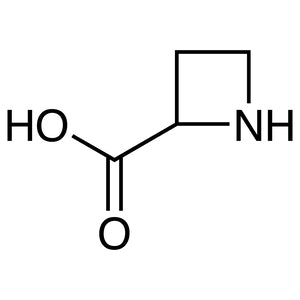
L-Azetidine-2-carboxylic Acid is a chemical compound widely used in laboratory settings, particularly in organic catalysis and inorganic chemistry. It serves as an antagonist to L-Proline, playing a crucial role in chemical reactions that involve nitrogen and carbon interactions. This compound is essential for studying reaction mechanisms, developing new catalysts, and investigating molecular interactions. Its unique structure allows for hydrogen bonding and molecular recognition, making it a valuable tool in synthetic chemistry.
The compound's chemical structure is complex, featuring a cyclic chain that enhances its reactivity and specificity. Its ability to form hydrogen bonds and interact with other molecules makes it highly suitable for applications requiring precise chemical interactions. Additionally, it exhibits good stability under certain conditions, which facilitates long-term storage and consistent performance in experiments. These properties make it a preferred choice for researchers working in advanced chemical synthesis and catalytic processes.
In Indonesian laboratories, L-Azetidine-2-carboxylic Acid is commonly used in organic chemistry research, especially in academic institutions and research centers focused on catalysis and complex compound synthesis. Its versatility and effectiveness in various chemical reactions make it an important reagent for both teaching and research purposes. Its role in advancing chemical understanding and innovation is significant in the scientific community.
TCI brochures (PDF)
- Asymmetric Organocatalysts 2025-06-12 · p. 7
- Asymmetric Synthesis 2026-03-18 · p. 7
- Amino Acids and Peptide Synthesis Reagents 2025-08-14 · p. 6
Related TCI products
- TCI F0818 2507-61-1 trans-4-Fluoro-L-proline
- TCI A3562 2517-04-6 Azetidine-2-carboxylic Acid
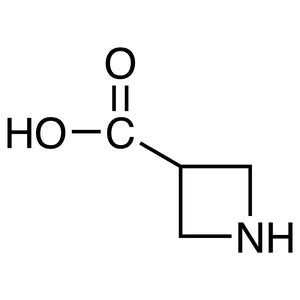
- TCI A1646 36476-78-5 Azetidine-3-carboxylic Acid
- TCI T1515 74163-81-8 (S)-(-)-1,2,3,4-Tetrahydroisoquinoline-3-carboxylic Acid
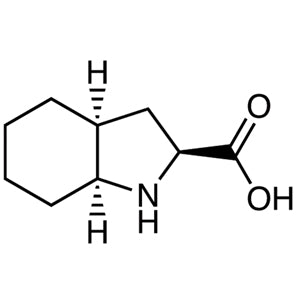
- TCI O0370 80875-98-5 (2S,3aS,7aS)-Octahydro-1H-indole-2-carboxylic Acid
- TCI I0395 79815-20-6 (S)-(-)-Indoline-2-carboxylic Acid
- Organic Catalysis: L-Azetidine-2-carboxylic Acid is ideal for organic catalysis due to its ability to form hydrogen bonds and interact with other molecules, enhancing reaction efficiency.
- Molecular Interaction Studies: The compound is used to study molecular interactions, particularly in nitrogen-carbon systems, providing insights into reaction mechanisms.
- Catalyst Development: Its unique structure makes it a valuable tool for developing new catalysts with high specificity and reactivity in chemical processes.
- Synthetic Chemistry Research: It is frequently used in synthetic chemistry to create complex molecules, offering a reliable and effective reagent for various chemical transformations.
- Educational Purposes: Indonesian academic institutions use this compound for teaching and research, helping students understand advanced chemical concepts and reaction mechanisms.
| Brand | TCI |
|---|---|
| CAS number | 2133-34-8 |
| Molecular formula | — |
| Purity | — |
| Category | Chemistry > Catalysis and Inorganic Chemistry > Organocatalysts [Catalysis] |
| Pack sizes | Available in various pack sizes as per supplier specifications |
| Physical form | Solid, typically in crystalline form |
| Storage | Store in a cool, dry place away from moisture and direct sunlight |
L-Azetidine-2-carboxylic Acid should be stored in a cool, dry place, away from moisture and direct sunlight. It is recommended to use airtight containers to prevent exposure to air and humidity, which could affect its stability. The compound is generally stable under normal laboratory conditions but should be handled with care to avoid contamination. It is advisable to store it in a well-ventilated area to ensure safe handling. Proper labeling and storage practices help maintain its integrity and ensure safe usage in laboratory environments. Always follow standard laboratory safety protocols when handling this compound to minimize risks.
—
Product Categories
Produk Terkait
-
trans-4-Fluoro-L-proline TCI F0818
Regular price Rp 2.782.500,00Regular priceRp 1.961.400,00Sale price Rp 2.782.500,00 -
Azetidine-2-carboxylicAcid TCI A3562
Regular price From Rp 2.252.250,00Regular priceRp 1.590.750,00Sale price From Rp 2.252.250,00 -
Azetidine-3-carboxylicAcid TCI A1646
Regular price From Rp 1.220.100,00Regular priceRp 868.350,00Sale price From Rp 1.220.100,00 -
(S)-(-)-1,2,3,4-Tetrahydroisoquinoline-3-carboxylicAcid TCI T1515
Regular price From Rp 795.900,00Regular priceRp 572.250,00Sale price From Rp 795.900,00 -
(2S,3aS,7aS)-Octahydro-1H-indole-2-carboxylicAcid TCI O0370
Regular price From Rp 1.618.050,00Regular priceRp 1.146.600,00Sale price From Rp 1.618.050,00 -
(S)-(-)-Indoline-2-carboxylicAcid TCI I0395
Regular price From Rp 610.050,00Regular priceRp 442.050,00Sale price From Rp 610.050,00 -
trans-4-Hydroxy-L-proline TCI H0296
Regular price From Rp 637.350,00Regular priceRp 460.950,00Sale price From Rp 637.350,00 -
alpha-Methyl-L-proline TCI M2077
Regular price From Rp 4.691.400,00Regular priceRp 3.295.950,00Sale price From Rp 4.691.400,00