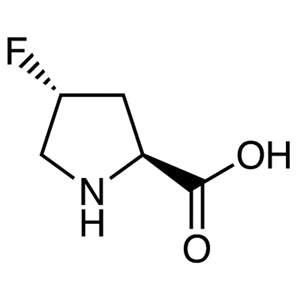
Trans-4-Fluoro-L-proline is a chemical compound widely used in catalytic reactions and organic synthesis within laboratory settings. It plays a crucial role in facilitating the formation of complex molecules through its unique molecular structure. The presence of a fluorine group at the fourth position enhances its reactivity and specificity, making it a valuable tool for chemists and researchers. This compound is particularly useful in asymmetric reactions, where precise control over reaction outcomes is essential. Its ability to act as both a catalyst and a reactant contributes to its versatility in various synthetic pathways.
The compound's chemical stability and solubility in organic solvents are key properties that make it a preferred choice in laboratory applications. These characteristics ensure that it remains effective under a range of experimental conditions. The fluorine substituent not only influences its reactivity but also improves its affinity for different substrates, enhancing its utility in diverse chemical processes. Its compatibility with a variety of reaction conditions and its predictable behavior in synthetic reactions further solidify its position as a reliable reagent in chemical research.
In Indonesian laboratories, trans-4-Fluoro-L-proline is commonly used by chemists and pharmacologists in the development of new compounds. Its availability in the local market supports research efforts requiring high precision and specific reactivity. The compound is a popular choice for studies involving asymmetric synthesis and pharmaceutical applications, where its unique properties are essential for achieving desired outcomes.
TCI brochures (PDF)
- Contrast Agents for Experimental Use 2018-06-25 · p. 1
- Asymmetric Organocatalysts 2025-06-12 · p. 7
- Cancer Research Reagents 2025-04-01 · p. 6
- Amino Acids and Peptide Synthesis Reagents 2025-08-14 · p. 8
- Pharmaceutical Ingredients for Research and Experimental Use 2026-03-09 · p. 41
- Reagents for Biological Research 2025-03-11 · p. 48
Related TCI products
- TCI A1043 2133-34-8 L-Azetidine-2-carboxylic Acid [Antagonist of L-Proline]
- TCI H0296 51-35-4 trans-4-Hydroxy-L-proline
- TCI F0201 7423-96-3 3-Fluoro-L-tyrosine
- TCI M2077 42856-71-3 alpha-Methyl-L-proline
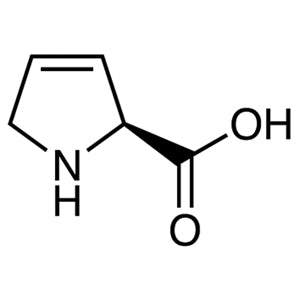
- TCI D3825 4043-88-3 3,4-Dehydro-L-proline
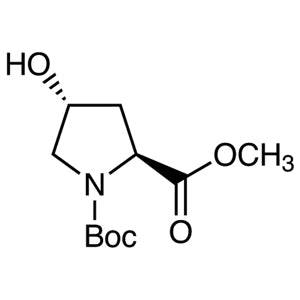
- TCI B3843 74844-91-0 N-(tert-Butoxycarbonyl)-trans-4-hydroxy-L-proline Methyl Ester
- Asymmetric synthesis applications benefit from trans-4-Fluoro-L-proline due to its ability to control stereochemical outcomes in complex reactions.
- Pharmaceutical research utilizes this compound for the synthesis of chiral compounds with specific biological activities.
- Organic chemistry experiments often incorporate it as a catalyst for efficient and selective reactions in laboratory settings.
- Bioorganic synthesis projects rely on its unique reactivity to create molecules with tailored properties for drug development.
- Catalytic processes in chemical synthesis benefit from its stability and reactivity, enabling the production of complex organic structures.
| Brand | TCI |
|---|---|
| CAS number | 2507-61-1 |
| Molecular formula | — |
| Purity | — |
| Category | Chemistry > Catalysis and Inorganic Chemistry > Organocatalysts [Catalysis] |
| Pack sizes | Available in standard laboratory quantities as per supplier specifications |
| Physical form | Solid powder |
| Storage | Store in a cool, dry place away from light and moisture |
Trans-4-Fluoro-L-proline should be stored in a cool, dry environment to maintain its chemical stability. It is recommended to keep the compound in a tightly sealed container to prevent exposure to moisture and air. Suitable storage containers include glass or high-density polyethylene vessels that are resistant to chemical degradation. General laboratory precautions include handling the compound in a well-ventilated area and wearing appropriate personal protective equipment. It is important to avoid direct contact with skin and eyes, and to ensure proper disposal of any unused material in accordance with local regulations. Proper storage and handling ensure the compound remains effective and safe for use in laboratory applications.
—
Product Categories
- Biochemicals and ReagentsAmino Acidsnon-Proteinogenic Amino Acids
- Biochemicals and ReagentsPharmaceutical Research Reagents (for Experimental Use)Contrast Medium Ingredients (for Research and Experimental Use)
- Pharmaceutical Development and Drug Discovery ResearchPeptide ChemistryUnnatural Amino Acid Derivatives
- Pharmaceutical Development and Drug Discovery ResearchPharmaceutical Research Reagents (for Experimental Use)Contrast Medium Ingredients (for Research and Experimental Use)
Produk Terkait
-
L-Azetidine-2-carboxylicAcid[AntagonistofL-Proline] TCI A1043
Regular price Rp 1.378.650,00Regular priceRp 979.650,00Sale price Rp 1.378.650,00 -
trans-4-Hydroxy-L-proline TCI H0296
Regular price Rp 637.350,00Regular priceRp 460.950,00Sale price Rp 637.350,00 -
3-Fluoro-L-tyrosine TCI F0201
Regular price Rp 2.411.850,00Regular priceRp 1.702.050,00Sale price Rp 2.411.850,00 -
alpha-Methyl-L-proline TCI M2077
Regular price Rp 4.691.400,00Regular priceRp 3.295.950,00Sale price Rp 4.691.400,00 -
3,4-Dehydro-L-proline TCI D3825
Regular price Rp 3.843.000,00Regular priceRp 2.702.700,00Sale price Rp 3.843.000,00 -
N-(tert-Butoxycarbonyl)-trans-4-hydroxy-L-prolineMethylEster TCI B3843
Regular price Rp 822.150,00Regular priceRp 590.100,00Sale price Rp 822.150,00 -
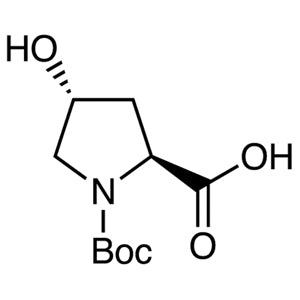
trans-N-(tert-Butoxycarbonyl)-4-hydroxy-L-proline TCI B1635
Regular price Rp 1.829.100,00Regular priceRp 1.294.650,00Sale price Rp 1.829.100,00 -
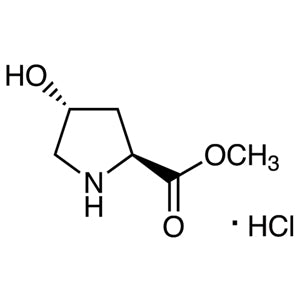
trans-4-Hydroxy-L-prolineMethylEsterHydrochloride TCI H1533
Regular price Rp 1.060.500,00Regular priceRp 757.050,00Sale price Rp 1.060.500,00
![2133-34-8 L-Azetidine-2-carboxylic Acid [Antagonist of L-Proline] - AMI Scientific](http://amiscientific.com/cdn/shop/files/TCI2510A1043.jpg?v=1767080570&width=533)