


3,4-Dehydro-L-proline is a chemical compound widely used in laboratory settings for its versatility in chemical and biochemical experiments. It plays a crucial role in peptide chemistry and the synthesis of complex organic structures. This compound is essential for researchers working on molecular interactions, metabolism studies, and the development of new pharmaceutical compounds. Its unique chemical structure allows it to be a key component in the formation of proteins and other biomolecules, making it indispensable in modern biochemical research.
The compound is known for its stable chemical structure and controlled reactivity, which makes it a preferred choice for targeted chemical reactions. Its high purity and consistency ensure reliable and reproducible experimental results, which are vital in scientific research. Additionally, its resistance to degradation under standard laboratory conditions ensures that it remains effective even when stored properly. These properties make it a reliable material for use in various research applications.
In Indonesian laboratories, 3,4-Dehydro-L-proline is commonly used by researchers in educational institutions and research organizations. It is integral to the synthesis of new compounds and the development of pharmaceutical products. Its availability in the local market supports scientific progress and facilitates research activities across different fields of study.
TCI brochures (PDF)
- Amino Acids and Peptide Synthesis Reagents 2025-08-14 · p. 8
Related TCI products
- TCI A1043 2133-34-8 L-Azetidine-2-carboxylic Acid [Antagonist of L-Proline]
- TCI F0818 2507-61-1 trans-4-Fluoro-L-proline
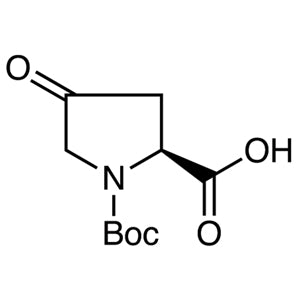
- TCI B4141 84348-37-8 N-(tert-Butoxycarbonyl)-4-oxo-L-proline
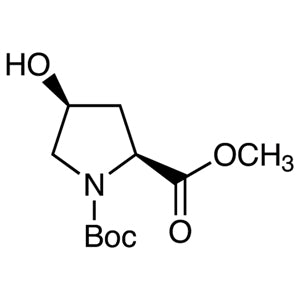
- TCI B3987 102195-79-9 N-(tert-Butoxycarbonyl)-cis-4-hydroxy-L-proline Methyl Ester
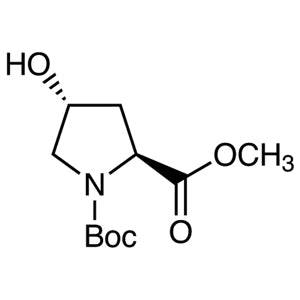
- TCI B3843 74844-91-0 N-(tert-Butoxycarbonyl)-trans-4-hydroxy-L-proline Methyl Ester
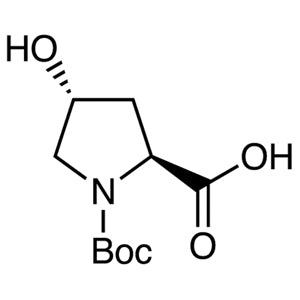
- TCI B1635 13726-69-7 trans-N-(tert-Butoxycarbonyl)-4-hydroxy-L-proline
- Peptide Synthesis: 3,4-Dehydro-L-proline is ideal for constructing complex peptide structures due to its stable chemical properties and reactivity.
- Organic Chemistry Research: Its controlled reactivity and high purity make it suitable for synthesizing a wide range of organic compounds.
- Biochemical Studies: The compound is frequently used in metabolism and molecular interaction studies due to its role in protein formation.
- Pharmaceutical Development: It is a key component in the development of new drug compounds, supporting the creation of novel therapeutic agents.
- Structural Analysis: Its chemical stability allows it to be used in various analytical techniques for studying molecular structures and interactions.
| Brand | TCI |
|---|---|
| CAS number | 4043-88-3 |
| Molecular formula | — |
| Purity | — |
| Category | Chemistry > Chemical Biology > Peptide Chemistry |
| Pack sizes | Available in standard laboratory quantities |
| Physical form | Solid powder |
| Storage | Store in a cool, dry place away from direct sunlight |
3,4-Dehydro-L-proline should be stored in a cool, dry environment to maintain its chemical stability and prevent degradation. It is recommended to keep the compound in a sealed container to minimize exposure to moisture and air. Suitable storage containers include glass or high-density polyethylene vessels that are resistant to chemical reactions. In laboratory settings, it is important to handle the compound with care, using appropriate personal protective equipment such as gloves and safety goggles. Avoid exposing it to extreme temperatures or direct sunlight, as these conditions can affect its integrity. Proper storage ensures that the compound remains effective and safe for use in various research applications.
—
Product Categories
Produk Terkait
-
L-Azetidine-2-carboxylicAcid[AntagonistofL-Proline] TCI A1043
Regular price Rp 1.378.650,00Regular priceRp 979.650,00Sale price Rp 1.378.650,00 -
trans-4-Fluoro-L-proline TCI F0818
Regular price Rp 2.782.500,00Regular priceRp 1.961.400,00Sale price Rp 2.782.500,00 -
N-(tert-Butoxycarbonyl)-4-oxo-L-proline TCI B4141
Regular price Rp 1.351.350,00Regular priceRp 960.750,00Sale price Rp 1.351.350,00 -
N-(tert-Butoxycarbonyl)-cis-4-hydroxy-L-prolineMethylEster TCI B3987
Regular price Rp 742.350,00Regular priceRp 534.450,00Sale price Rp 742.350,00 -
N-(tert-Butoxycarbonyl)-trans-4-hydroxy-L-prolineMethylEster TCI B3843
Regular price Rp 822.150,00Regular priceRp 590.100,00Sale price Rp 822.150,00 -
trans-N-(tert-Butoxycarbonyl)-4-hydroxy-L-proline TCI B1635
Regular price Rp 1.829.100,00Regular priceRp 1.294.650,00Sale price Rp 1.829.100,00 -
cis-4-Azido-N-(tert-butoxycarbonyl)-L-proline TCI A3129
Regular price Rp 1.167.600,00Regular priceRp 831.600,00Sale price Rp 1.167.600,00 -
1-[(2S)-3-(Acetylthio)-2-methylpropionyl]-L-proline TCI A1528
Regular price Rp 795.900,00Regular priceRp 572.250,00Sale price Rp 795.900,00
![2133-34-8 L-Azetidine-2-carboxylic Acid [Antagonist of L-Proline] - AMI Scientific](http://amiscientific.com/cdn/shop/files/TCI2510A1043.jpg?v=1767080570&width=533)


![64838-55-7 1-[(2S)-3-(Acetylthio)-2-methylpropionyl]-L-proline - AMI Scientific](http://amiscientific.com/cdn/shop/files/TCI2510A1528.jpg?v=1768203859&width=533)