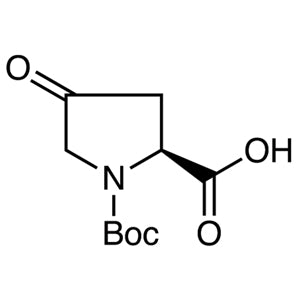
Trans-4-Hydroxy-L-proline Methyl Ester Hydrochloride is a chemical compound widely used in laboratory settings for its role in peptide chemistry and chemical biology. This compound plays a crucial part in the synthesis of various peptides and amino acid analogs, making it an essential tool for researchers working on protein structure and function. Its chemical stability and reactivity make it a valuable component in complex chemical reactions, supporting a wide range of experimental applications. As a methyl ester hydrochloride derivative, it is particularly useful in reactions that require controlled hydrolysis or modification of amino acid side chains.
One of the key properties that make this compound a preferred choice is its solubility in organic solvents, which simplifies its handling and integration into synthetic processes. The ester group enhances its reactivity in peptide coupling reactions, while the hydrochloride salt form improves its solubility in aqueous solutions. These characteristics allow for greater flexibility in experimental design, enabling researchers to tailor their approaches to specific synthetic goals. Additionally, its predictable chemical behavior ensures consistent results, which is vital for reproducibility in scientific research.
In Indonesian laboratories, this compound is commonly used in academic and research institutions for studies involving peptide synthesis, protein modification, and biochemical analysis. Its availability through suppliers like AMI Scientific ensures that researchers have access to high-quality materials necessary for their work. The compound's versatility and reliability make it a staple in the chemical biology and peptide chemistry fields within the region.
TCI brochures (PDF)
- Amino Acids and Peptide Synthesis Reagents 2025-08-14 · p. 25
Related TCI products
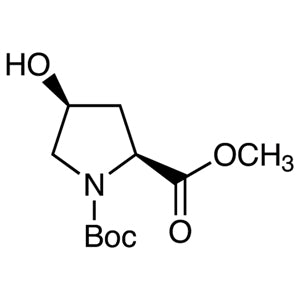
- TCI B3987 102195-79-9 N-(tert-Butoxycarbonyl)-cis-4-hydroxy-L-proline Methyl Ester
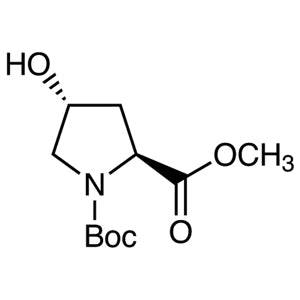
- TCI B3843 74844-91-0 N-(tert-Butoxycarbonyl)-trans-4-hydroxy-L-proline Methyl Ester
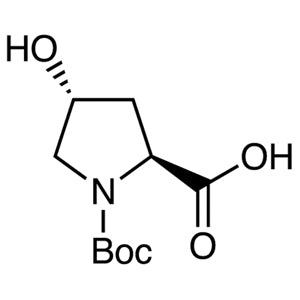
- TCI B1635 13726-69-7 trans-N-(tert-Butoxycarbonyl)-4-hydroxy-L-proline
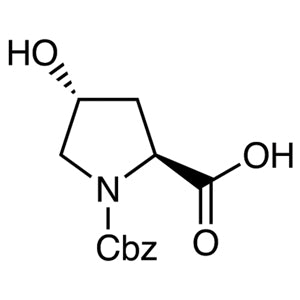
- TCI C2506 13504-85-3 trans-N-Carbobenzoxy-4-hydroxy-L-proline
- TCI B5887 87691-27-8 cis-N-(tert-Butoxycarbonyl)-4-hydroxy-L-proline
- TCI B5857 114676-69-6 N-(tert-Butoxycarbonyl)-cis-4-hydroxy-D-proline Methyl Ester
- Peptide Synthesis: This compound is ideal for peptide synthesis due to its reactivity and solubility, allowing for efficient coupling reactions in solid-phase peptide synthesis.
- Protein Structure Modification: It is used in modifying protein structures by introducing specific amino acid derivatives, aiding in the study of protein folding and function.
- Amino Acid Analog Development: The compound supports the creation of amino acid analogs, which are crucial for drug development and biochemical research.
- Biochemical Reactions: Its chemical stability and reactivity make it suitable for various biochemical reactions, including hydrolysis and esterification processes.
- Structural Analysis Studies: It is employed in studies that require the analysis of molecular structures, providing insights into the behavior of amino acid derivatives in different environments.
| Brand | TCI |
|---|---|
| CAS number | 40216-83-9 |
| Molecular formula | — |
| Purity | — |
| Category | Chemistry > Chemical Biology > Peptide Chemistry |
| Pack sizes | Available in standard laboratory quantities |
| Physical form | Solid powder |
| Storage | Store in a cool, dry place away from moisture and light |
This compound should be stored in a cool, dry environment to maintain its chemical stability and prevent degradation. It is recommended to use airtight containers to protect it from moisture and light exposure, which can affect its reactivity and purity. In laboratory settings, it should be handled with standard chemical safety precautions, including the use of personal protective equipment such as gloves and goggles. Due to its hydrochloride salt form, it may be sensitive to humidity, so proper storage conditions are essential for long-term use. Always ensure that the compound is kept in a well-ventilated area to minimize any potential risks associated with its handling.
—
Product Categories
- Chemical BiologyPeptide ChemistryAmino Acid Derivatives [Peptide Chemistry]
- Chemical BiologyPeptide ChemistryUnnatural Amino Acid Derivatives
- Pharmaceutical Development and Drug Discovery Research ReagentsPeptide ChemistryAmino Acid Derivatives [Peptide Chemistry]
- Pharmaceutical Development and Drug Discovery Research ReagentsPeptide ChemistryUnnatural Amino Acid Derivatives
Produk Terkait
-
N-(tert-Butoxycarbonyl)-cis-4-hydroxy-L-prolineMethylEster TCI B3987
Regular price From Rp 689.850,00Regular price -
N-(tert-Butoxycarbonyl)-trans-4-hydroxy-L-prolineMethylEster TCI B3843
Regular price From Rp 769.650,00Regular price -
trans-N-(tert-Butoxycarbonyl)-4-hydroxy-L-proline TCI B1635
Regular price Rp 1.776.600,00Regular price -
trans-N-Carbobenzoxy-4-hydroxy-L-proline TCI C2506
Regular price From Rp 769.650,00Regular price -
cis-N-(tert-Butoxycarbonyl)-4-hydroxy-L-proline TCI B5887
Regular price From Rp 1.167.600,00Regular price -
N-(tert-Butoxycarbonyl)-cis-4-hydroxy-D-prolineMethylEster TCI B5857
Regular price From Rp 717.150,00Regular price -
N-(tert-Butoxycarbonyl)-D-prolineMethylEster TCI B4787
Regular price From Rp 769.650,00Regular price -
N-(tert-Butoxycarbonyl)-4-oxo-L-proline TCI B4141
Regular price From Rp 1.298.850,00Regular price