N-Methyl-4-(trifluoromethyl)aniline is a chemical compound widely used as a building block in the synthesis of complex molecules. It plays a crucial role in organic chemistry laboratories, where it serves as a versatile intermediate for the construction of more intricate molecular structures. This compound is particularly valuable due to its ability to participate in various chemical reactions, making it an essential tool for researchers aiming to develop new materials, pharmaceuticals, and specialty chemicals. Its presence in laboratory settings is vital for advancing chemical innovation and scientific discovery.
The compound's unique properties, including its stable chemical structure and controlled reactivity, make it a preferred choice for synthetic chemists. The presence of both a trifluoromethyl group and an amine group contributes to its reactivity and functional versatility. These groups provide specific electronic and steric effects that influence the compound’s behavior in different reaction conditions. The trifluoromethyl group enhances molecular stability, while the amine group allows for a wide range of chemical modifications. This combination of properties ensures that the compound remains a reliable and effective reagent in various synthetic pathways.
In Indonesian laboratories, N-Methyl-4-(trifluoromethyl)aniline is commonly used in research related to organic chemistry, pharmaceutical development, and material science. It is a key component in the work of academic institutions and research centers that focus on chemical synthesis and innovation. Its application supports a wide range of scientific investigations, contributing to the advancement of chemical knowledge and practical applications in Indonesia.
TCI brochures (PDF)
- Fluorination Reagents, Fluorinated Building Blocks 2026-03-18 · p. 39
Related TCI products
- TCI I0794 163444-17-5 2-Iodo-4-(trifluoromethyl)aniline
- TCI B1324 328-74-5 3,5-Bis(trifluoromethyl)aniline
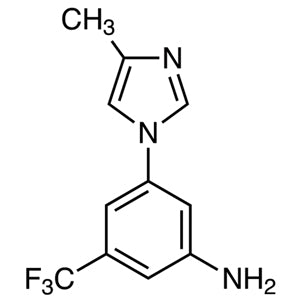
- TCI M2634 641571-11-1 3-(4-Methyl-1H-imidazol-1-yl)-5-(trifluoromethyl)aniline
- TCI M2301 25449-96-1 2-Methyl-5-(trifluoromethyl)aniline
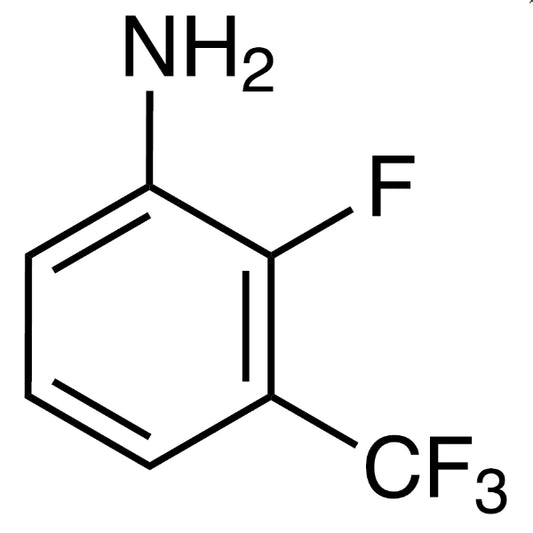
- TCI F1294 123973-25-1 2-Fluoro-3-(trifluoromethyl)aniline
- TCI T1345 461-82-5 4-(Trifluoromethoxy)aniline
- Organic synthesis is a primary application where this compound is used to build complex molecular structures due to its functional groups and reactivity.
- Pharmaceutical research benefits from its ability to participate in various chemical reactions, aiding in the development of new drug compounds.
- Material science applications leverage its stability and reactivity for the creation of advanced materials with specific properties.
- Analytical chemistry uses it as a standard for identifying and quantifying compounds in complex mixtures.
- Environmental studies may incorporate it to assess the behavior of fluorinated compounds in different chemical environments.
| Brand | TCI |
|---|---|
| CAS number | 22864-65-9 |
| Molecular formula | — |
| Purity | — |
| Category | Chemistry > Building Blocks > Fluorinated Building Blocks |
| Pack sizes | Available in various quantities as per supplier specifications |
| Physical form | Liquid or solid, depending on the specific product variant |
| Storage | Store in a cool, dry place away from light and incompatible materials |
This compound should be stored in a cool, dry environment, away from direct sunlight and sources of heat. It is recommended to use sealed containers made of materials compatible with its chemical properties, such as glass or high-density polyethylene. Proper ventilation is essential when handling the compound to minimize exposure to vapors. Due to its chemical nature, it should be kept away from strong oxidizers and reactive materials. Always follow standard laboratory safety protocols, including the use of personal protective equipment, to ensure safe handling and storage practices.
—
Produk Terkait
-
2-Iodo-4-(trifluoromethyl)aniline TCI I0794
Regular price From Rp 1.485.750,00Regular price -
3,5-Bis(trifluoromethyl)aniline TCI B1324
Regular price From Rp 743.400,00Regular price -
3-(4-Methyl-1H-imidazol-1-yl)-5-(trifluoromethyl)aniline TCI M2634
Regular price From Rp 717.150,00Regular price -
2-Methyl-5-(trifluoromethyl)aniline TCI M2301
Regular price From Rp 1.115.100,00Regular price -
2-Fluoro-3-(trifluoromethyl)aniline TCI F1294
Regular price From Rp 689.850,00Regular price -
4-(Trifluoromethoxy)aniline TCI T1345
Regular price From Rp 664.650,00Regular price -
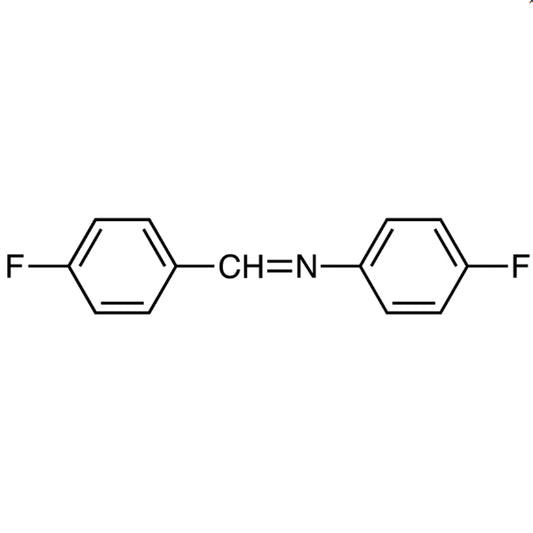
4-Fluoro-N-(4-fluorobenzylidene)aniline TCI F0892
Regular price From Rp 980.700,00Regular price -
N-(4-Fluorobenzylidene)aniline TCI F0891
Regular price From Rp 955.500,00Regular price