2-Methyl-5-nitrobenzotrifluoride is a chemical compound widely used as a building block in the synthesis of complex organic molecules. It plays a crucial role in laboratory settings where the development of new chemical structures is required. This compound is particularly valued for its unique molecular structure, which includes both nitro and fluorine groups. These functional groups contribute to its high reactivity and make it a versatile reagent in various organic reactions. Its presence in the laboratory allows chemists to explore new synthetic pathways and create compounds with specific properties.
The compound’s reactivity and stability under controlled conditions make it a preferred choice for researchers. The combination of fluorine and nitro groups provides a balance between reactivity and selectivity, which is essential in complex synthetic processes. Its ability to participate in substitution reactions and other chemical transformations makes it indispensable in organic chemistry. Additionally, its chemical properties enable it to interact effectively with a wide range of reagents, making it a valuable tool in both academic and industrial research.
In Indonesian laboratories, 2-Methyl-5-nitrobenzotrifluoride is commonly used in scientific research and educational settings. It is frequently applied in organic chemistry studies, the synthesis of new compounds, and the development of chemical materials for various industrial applications. Its availability in the local market supports ongoing research and innovation in the chemical sciences.
TCI brochures (PDF)
- Fluorination Reagents, Fluorinated Building Blocks 2026-03-18 · p. 43
Related TCI products
- TCI B5333 630125-49-4 3-Bromo-5-nitrobenzotrifluoride
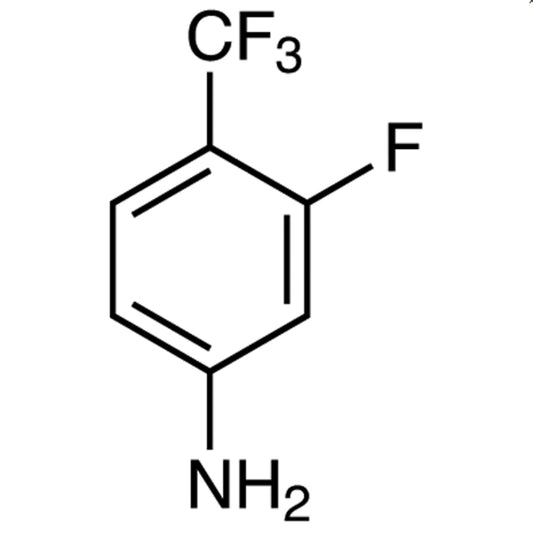
- TCI A2469 69411-68-3 4-Amino-2-fluorobenzotrifluoride
- TCI A1582 535-52-4 3-Amino-4-fluorobenzotrifluoride
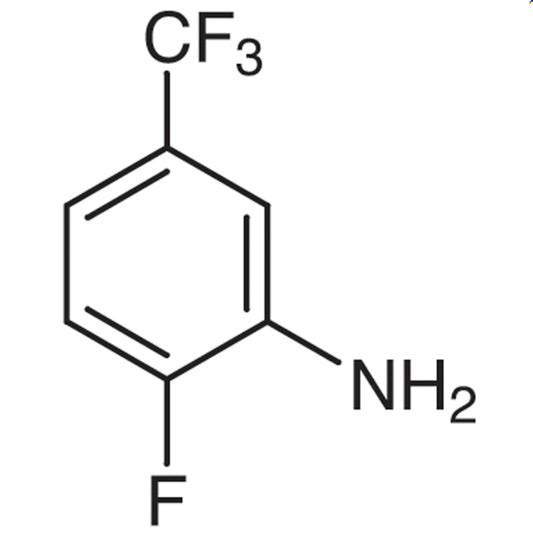
- TCI A1164 2357-47-3 5-Amino-2-fluorobenzotrifluoride
- TCI A1158 393-39-5 2-Amino-5-fluorobenzotrifluoride
- TCI A0376 400-98-6 4-Amino-3-nitrobenzotrifluoride
- Organic synthesis: This compound is ideal for building complex molecular structures due to its reactivity and functional groups.
- Research and development: It is used to develop new chemical compounds and materials for industrial applications.
- Educational purposes: It serves as a key reagent in teaching organic chemistry concepts and reaction mechanisms.
- Industrial chemical production: Its unique properties make it suitable for the synthesis of specialized chemical products.
- Analytical chemistry: It is used as a reference material in analytical procedures to ensure accurate chemical analysis.
| Brand | TCI |
|---|---|
| CAS number | 89976-12-5 |
| Molecular formula | — |
| Purity | — |
| Category | Chemistry > Building Blocks > Fluorinated Building Blocks |
| Pack sizes | Available in various quantities as per standard laboratory supply |
| Physical form | Solid |
| Storage | Store in a cool, dry place away from light and moisture |
This compound should be stored in a cool, dry place, away from direct light and moisture to maintain its chemical integrity. It is recommended to use airtight containers to prevent exposure to air and humidity. Due to its reactivity, it should be handled in a well-ventilated area, and appropriate personal protective equipment should be worn. Avoid contact with incompatible materials to ensure safety. Proper storage conditions help preserve its stability and effectiveness in laboratory applications. Always follow standard safety protocols when working with reactive chemicals.
—
Produk Terkait
-
3-Bromo-5-nitrobenzotrifluoride TCI B5333
Regular price From Rp 584.850,00Regular price -
4-Amino-2-fluorobenzotrifluoride TCI A2469
Regular price From Rp 1.856.400,00Regular price -
3-Amino-4-fluorobenzotrifluoride TCI A1582
Regular price From Rp 477.750,00Regular price -
5-Amino-2-fluorobenzotrifluoride TCI A1164
Regular price From Rp 477.750,00Regular price -
2-Amino-5-fluorobenzotrifluoride TCI A1158
Regular price From Rp 1.140.300,00Regular price -
4-Amino-3-nitrobenzotrifluoride TCI A0376
Regular price Rp 2.782.500,00Regular price -
4-Methoxy-3-nitrobenzotrifluoride TCI T1042
Regular price From Rp 664.650,00Regular price -
4-Nitrobenzotrifluoride TCI N0902
Regular price Rp 2.491.650,00Regular price