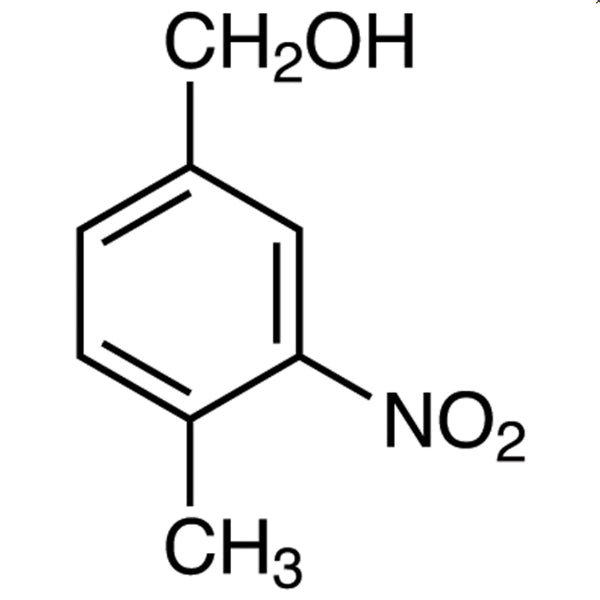
4-Methyl-3-nitrobenzyl Alcohol is a chemical compound widely used as a building block in organic synthesis. It plays a crucial role in laboratories where complex organic molecules are being developed. This compound is particularly valuable for its versatility in undergoing various chemical reactions, such as reduction, oxidation, and substitution. Its presence in chemical reactions allows researchers to manipulate molecular structures effectively, making it an essential tool in synthetic chemistry.
The compound’s molecular structure is stable, and it exhibits good reactivity, which is key to its effectiveness in laboratory settings. Its polar nature, due to the nitro and hydroxyl groups, enables it to dissolve in organic solvents like ethyl acetate and ethanol. This solubility makes it suitable for a wide range of chemical processes that require high reactivity and compatibility with different functional groups. Additionally, its chemical properties allow it to interact efficiently with other reagents, enhancing the efficiency of synthetic pathways.
In Indonesian laboratories, 4-Methyl-3-nitrobenzyl Alcohol is commonly used in organic chemistry research, pharmaceutical synthesis, and compound development. Its ability to participate in multiple reactions makes it a preferred choice for scientists working on new drug development and material synthesis. The compound’s reliability and chemical behavior contribute to its widespread use in both academic and industrial research environments.
- Organic synthesis is a key application where this compound serves as a versatile building block for creating complex molecules through various chemical transformations.
- Pharmaceutical research benefits from its reactivity, allowing it to be modified into potential drug candidates through functional group manipulation.
- Material development utilizes its chemical properties to create new compounds with desired characteristics for industrial applications.
- Analytical chemistry uses it as a reference standard for identifying and quantifying compounds in complex mixtures.
- Environmental studies incorporate it in the analysis of organic pollutants and their transformation in different chemical environments.
| Brand | TCI |
|---|---|
| CAS number | 40870-59-5 |
| Molecular formula | — |
| Purity | — |
| Category | Chemistry > Building Blocks > Non-Heterocyclic Building Blocks |
| Pack sizes | Available in various quantities as per standard laboratory supply |
| Physical form | Liquid |
| Storage | Store in a cool, dry place away from direct sunlight |
This compound should be stored in a cool, dry environment, away from direct sunlight and sources of heat. It is recommended to use airtight containers to prevent exposure to moisture and air, which can affect its chemical stability. Due to its polar nature, it is advisable to store it in glass or polyethylene containers to avoid any chemical interactions with the container material. In laboratory settings, it should be handled with appropriate personal protective equipment, such as gloves and safety goggles, to ensure safe handling. Proper ventilation is also essential when working with this compound to minimize inhalation risks. Always follow standard laboratory safety protocols to maintain a safe working environment.
—
Produk Terkait
-
3-Methyl-4-nitrobenzylAlcohol TCI M2915
Regular price From Rp 689.850,00Regular price -
4,5-Dimethoxy-2-nitrobenzylAlcohol TCI D4811
Regular price From Rp 1.353.450,00Regular price -
4-NitrobenzylAlcohol TCI N0180
Regular price From Rp 1.035.300,00Regular price -
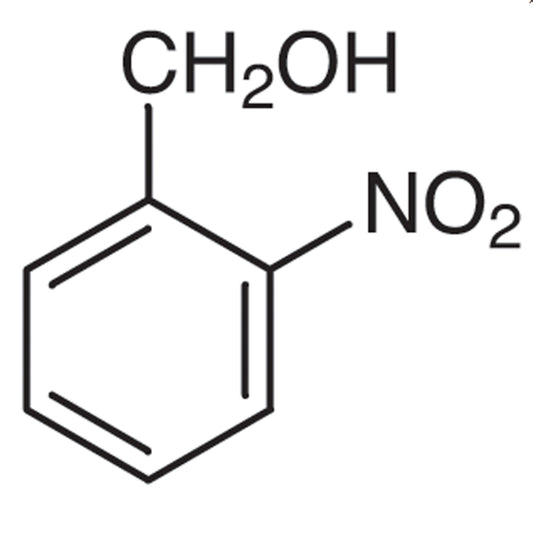
2-NitrobenzylAlcohol TCI N0179
Regular price Rp 1.246.350,00Regular price -
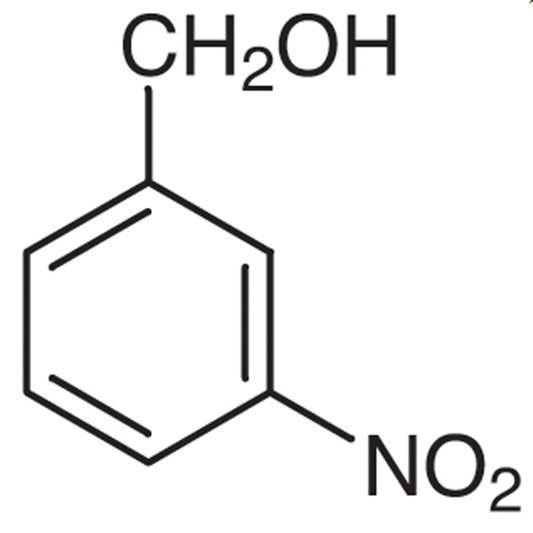
3-NitrobenzylAlcohol TCI N0178
Regular price From Rp 1.565.550,00Regular price -
2-Hydroxy-5-nitrobenzylAlcohol TCI H1549
Regular price Rp 3.419.850,00Regular price -
4-Chloro-3-nitrobenzylAlcohol TCI C1712
Regular price From Rp 769.650,00Regular price -
2-Chloro-5-nitrobenzylAlcohol TCI C1214
Regular price Rp 2.199.750,00Regular price