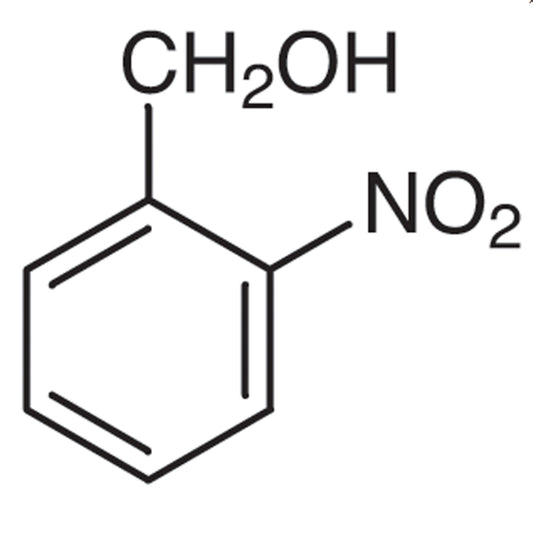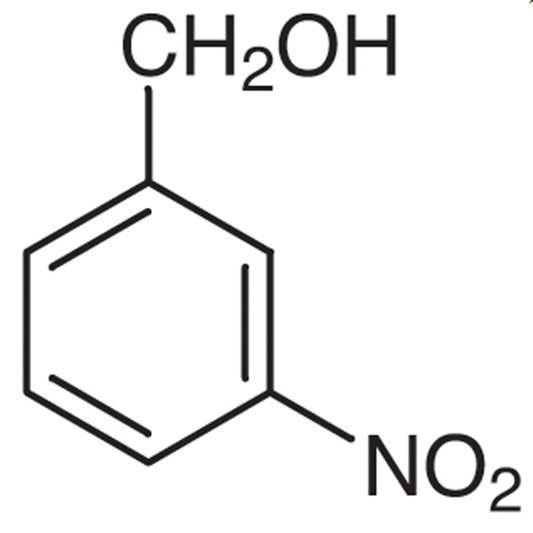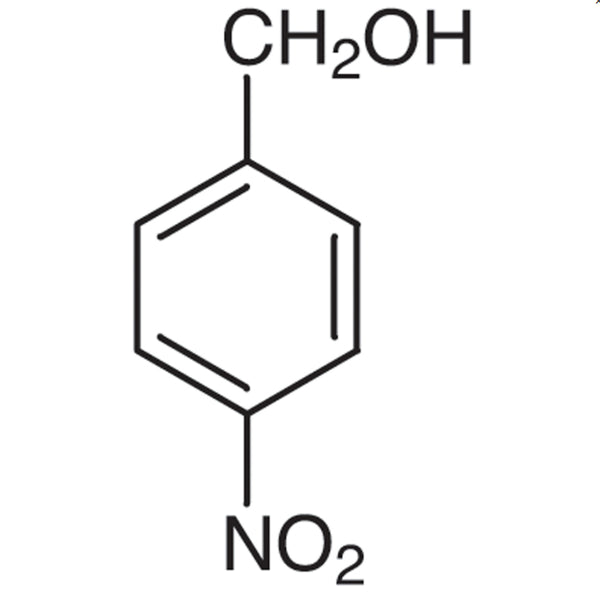
4-Nitrobenzyl Alcohol (TCI N0180) is a chemical compound widely used as a foundational building block in organic synthesis. It serves as a versatile reagent in laboratory settings, enabling the creation of complex organic molecules through various chemical reactions. This compound is particularly valuable in the development of heterocyclic structures and other intricate chemical systems. Its role in organic chemistry is essential for researchers aiming to modify molecular structures and explore new chemical pathways.
The properties of 4-Nitrobenzyl Alcohol make it a preferred choice for many laboratory applications. It exhibits good solubility in organic solvents, which facilitates its use in a wide range of synthetic procedures. Its molecular structure is simple yet highly reactive, allowing it to participate in multiple chemical transformations. This reactivity makes it an ideal starting material for reactions that require structural modifications. Additionally, its stability under controlled conditions ensures reliable performance in experimental settings.
In Indonesian laboratories, 4-Nitrobenzyl Alcohol is commonly used in organic chemistry research. It is a key component in experiments involving the synthesis of new compounds, drug development, and chemical analysis. Its availability in the local market supports ongoing research efforts in academic and industrial settings. Researchers rely on this compound for its reliability and effectiveness in various chemical processes.
Related TCI products
- Organic synthesis: 4-Nitrobenzyl Alcohol is widely used in the synthesis of complex organic molecules due to its reactivity and versatility in chemical reactions.
- Drug development: This compound plays a crucial role in the creation of pharmaceutical compounds, as it can be modified to form various functional groups.
- Heterocyclic compound formation: Its structure allows it to participate in reactions that lead to the formation of heterocyclic compounds, which are essential in many pharmaceuticals.
- Chemical analysis: It is used in analytical chemistry for the identification and quantification of various organic compounds through chromatographic techniques.
- Material science research: The compound is employed in the development of new materials, where its chemical properties contribute to the synthesis of advanced polymers and coatings.
| Brand | TCI |
|---|---|
| CAS number | 619-73-8 |
| Molecular formula | — |
| Purity | — |
| Category | Chemistry > Building Blocks > Non-Heterocyclic Building Blocks |
| Pack sizes | Available in various quantities as per standard laboratory supply specifications |
| Physical form | Liquid |
| Storage | Store in a cool, dry place away from direct sunlight and incompatible materials |
4-Nitrobenzyl Alcohol should be stored in a cool, dry environment to maintain its chemical integrity. It is recommended to keep it in a tightly sealed container to prevent exposure to air and moisture. The compound should be stored away from incompatible substances such as strong oxidizers and acids to avoid potential chemical reactions. Laboratory personnel should handle the material with appropriate personal protective equipment, including gloves and safety goggles, to ensure safety during use. Regular monitoring of storage conditions is essential to ensure the compound remains stable and usable for research purposes. Proper labeling of containers is also important to prevent accidental misuse or contamination.
—
Produk Terkait
-
2-NitrobenzylAlcohol TCI N0179
Regular price Rp 1.246.350,00Regular price -
3-NitrobenzylAlcohol TCI N0178
Regular price From Rp 1.565.550,00Regular price -
4-Methyl-3-nitrobenzylAlcohol TCI M2916
Regular price From Rp 1.829.100,00Regular price -
3-Methyl-4-nitrobenzylAlcohol TCI M2915
Regular price From Rp 689.850,00Regular price -
2-Hydroxy-5-nitrobenzylAlcohol TCI H1549
Regular price Rp 3.419.850,00Regular price -
4,5-Dimethoxy-2-nitrobenzylAlcohol TCI D4811
Regular price From Rp 1.353.450,00Regular price -
4-Chloro-3-nitrobenzylAlcohol TCI C1712
Regular price From Rp 769.650,00Regular price -
2-Chloro-5-nitrobenzylAlcohol TCI C1214
Regular price Rp 2.199.750,00Regular price