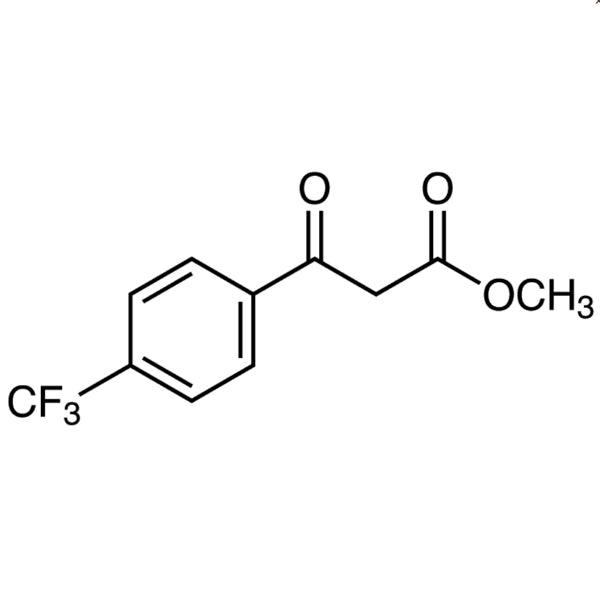
Methyl 4-(Trifluoromethyl)benzoylacetate is a chemical compound widely used as a building block in the synthesis of complex organic molecules. This compound plays a crucial role in laboratory settings, particularly in reactions involving fluorine substitution. Its unique molecular structure, featuring a trifluoromethyl group, makes it an essential component for creating compounds with specific chemical properties. In research and development, it supports the design of new materials and pharmaceuticals by enabling precise chemical modifications.
The compound's properties, including its chemical stability and reactivity, make it a preferred choice for advanced chemical applications. The presence of fluorine significantly influences its polarity and solubility, allowing it to be compatible with a range of solvents and reaction conditions. These characteristics are vital for achieving high precision in chemical synthesis. Additionally, its molecular complexity ensures that it can be tailored for various synthetic pathways, enhancing its versatility in laboratory work.
In Indonesian laboratories, Methyl 4-(Trifluoromethyl)benzoylacetate is commonly used in scientific research and chemical product development. It is a key reagent in organic chemistry, pharmaceutical research, and material science. Many research institutions and universities rely on this compound for experiments requiring fluorinated structures. Its specific properties make it an essential tool for advancing scientific knowledge and innovation in these fields.
Related TCI products
- TCI M2536 64123-77-9 Methyl 3-Fluorophenylacetate
- TCI E1152 721-63-1 Ethyl 4-(Trifluoromethyl)phenylacetate
- TCI E1038 214262-85-8 Ethyl 2-Chloro-6-fluorophenylacetate
- TCI F0987 4640-67-9 4-Fluorobenzoylacetonitrile
- TCI I0766 16588-74-2 3,5-Bis(trifluoromethyl)phenyl Isocyanate
- TCI I0794 163444-17-5 2-Iodo-4-(trifluoromethyl)aniline
- Organic synthesis applications benefit from its fluorinated structure, enabling the creation of complex molecules with tailored properties.
- Pharmaceutical research utilizes this compound for developing new drugs, as fluorine can enhance metabolic stability and bioavailability.
- Material science experiments leverage its chemical stability for creating advanced polymers and coatings with unique performance characteristics.
- Fluorination studies rely on its reactivity to explore substitution reactions and chemical modifications in fluorinated compounds.
- Analytical chemistry uses it as a reference standard for testing and calibrating instruments that analyze fluorinated compounds.
| Brand | TCI |
|---|---|
| CAS number | 212755-76-5 |
| Molecular formula | — |
| Purity | — |
| Category | Chemistry > Building Blocks > Fluorinated Building Blocks |
| Pack sizes | Available in various quantities as per standard laboratory supply |
| Physical form | Liquid |
| Storage | Store in a cool, dry place away from light and incompatible materials |
This compound should be stored in a cool, dry environment, away from direct sunlight and sources of heat. It is recommended to use sealed containers made of materials compatible with organic solvents to prevent evaporation and contamination. Due to its fluorinated nature, it may require special handling precautions to avoid exposure. Always ensure proper ventilation in the laboratory when working with this compound. Keep it away from incompatible substances such as strong oxidizing agents. Regular monitoring of storage conditions is essential to maintain its stability and effectiveness for use in chemical experiments.
—
Produk Terkait
-
Methyl3-Fluorophenylacetate TCI M2536
Regular price From Rp 1.644.300,00Regular price -
Ethyl4-(Trifluoromethyl)phenylacetate TCI E1152
Regular price From Rp 1.273.650,00Regular price -
Ethyl2-Chloro-6-fluorophenylacetate TCI E1038
Regular price From Rp 1.881.600,00Regular price -
4-Fluorobenzoylacetonitrile TCI F0987
Regular price From Rp 1.405.950,00Regular price -
3,5-Bis(trifluoromethyl)phenylIsocyanate TCI I0766
Regular price From Rp 4.108.650,00Regular price -
2-Iodo-4-(trifluoromethyl)aniline TCI I0794
Regular price From Rp 1.485.750,00Regular price -
Phenyl[4-(trifluoromethyl)phenyl]methanone TCI T4379
Regular price Rp 1.936.200,00Regular price -
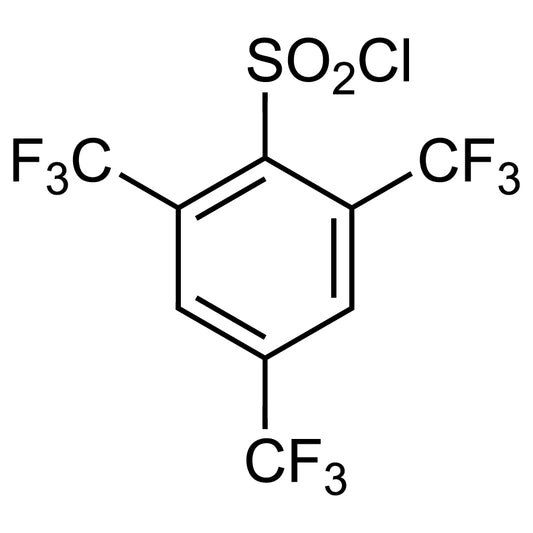
2,4,6-Tris(trifluoromethyl)benzenesulfonylChloride TCI T4302
Regular price From Rp 3.949.050,00Regular price


![728-86-9 Phenyl[4-(trifluoromethyl)phenyl]methanone - AMI Scientific](http://amiscientific.com/cdn/shop/files/TCI2510T4379.jpg?v=1768363694&width=533)