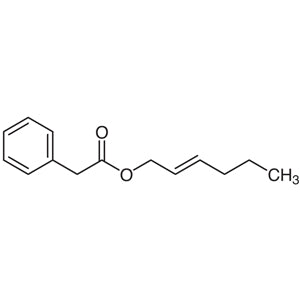
Methyl 3-Fluorophenylacetate is a chemical compound widely used in organic synthesis reactions. As a fluorinated building block, it plays a crucial role in the development of complex molecules, particularly in the field of medicinal chemistry and industrial applications. Its molecular structure contains both a fluorine group and an ester functional group, making it a versatile intermediate in various synthetic pathways. This compound is commonly utilized in laboratories for its ability to participate in substitution and esterification reactions, contributing to the creation of a wide range of organic compounds.
The compound's solubility in organic solvents such as ethyl acetate and chloroform, along with its chemical stability under specific reaction conditions, makes it a preferred choice for synthetic chemists. These properties allow for efficient reaction processes and the production of high-purity products. Its reactivity also ensures that it can be easily modified through various chemical transformations, enhancing its utility in research and development. The combination of stability and reactivity makes Methyl 3-Fluorophenylacetate a reliable and effective reagent in modern laboratory settings.
In Indonesian laboratories, Methyl 3-Fluorophenylacetate is frequently used in organic chemistry research, especially in the development of new compounds with pharmaceutical or industrial applications. Due to its availability and consistent quality, it is a popular choice among researchers and practitioners working on drug discovery, material science, and chemical synthesis. Its role in advancing scientific innovation is significant, supporting both academic and industrial research efforts in the region.
TCI brochures (PDF)
- Fluorination Reagents, Fluorinated Building Blocks 2026-03-18 · p. 13
Related TCI products
- TCI E1038 214262-85-8 Ethyl 2-Chloro-6-fluorophenylacetate
- TCI E1152 721-63-1 Ethyl 4-(Trifluoromethyl)phenylacetate
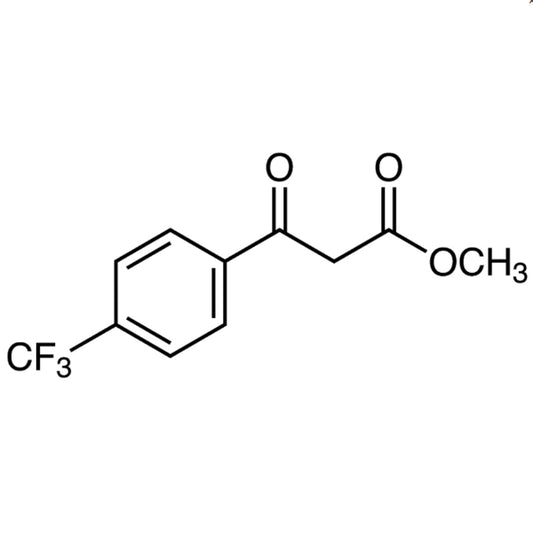
- TCI M2966 212755-76-5 Methyl 4-(Trifluoromethyl)benzoylacetate
- TCI B1315 66270-97-1 Phenacyl 4-(Bromomethyl)phenylacetate
- TCI A5522 68123-33-1 N-Succinimidyl 4-Nitrophenylacetate [for HPLC Labeling]
- TCI P1353 34097-60-4 Methyl Phenylsulfonylacetate
- Organic synthesis is a key application where Methyl 3-Fluorophenylacetate is used to create complex molecules with fluorinated groups, enhancing the compound's biological activity and reactivity.
- Drug development benefits from this compound as it serves as a building block for synthesizing pharmaceutical compounds with targeted therapeutic properties.
- Material science research utilizes this reagent to develop new materials with unique chemical properties, such as improved thermal or electrical conductivity.
- Analytical chemistry applications involve the use of this compound as a standard for identifying and quantifying fluorinated organic compounds in various samples.
- Environmental studies employ this compound to investigate the behavior and degradation of fluorinated substances in different ecosystems.
| Brand | TCI |
|---|---|
| CAS number | 64123-77-9 |
| Molecular formula | — |
| Purity | — |
| Category | Chemistry > Building Blocks > Fluorinated Building Blocks |
| Pack sizes | Available in various quantities as per supplier specifications |
| Physical form | Liquid |
| Storage | Store in a cool, dry place away from direct sunlight and incompatible materials |
Methyl 3-Fluorophenylacetate should be stored in a cool, dry place, away from direct sunlight and sources of heat. It is recommended to use airtight containers made of glass or high-density polyethylene to prevent contamination and maintain chemical stability. Due to its reactivity, it should be kept away from strong oxidizing agents and incompatible substances. Proper labeling and storage conditions are essential to ensure safety and maintain the integrity of the compound. In laboratory settings, it is important to follow standard operating procedures for handling organic solvents and to ensure proper ventilation when working with this material. Always wear appropriate personal protective equipment, including gloves and safety goggles, to minimize exposure risks.
—
Produk Terkait
-
Ethyl2-Chloro-6-fluorophenylacetate TCI E1038
Regular price From Rp 1.881.600,00Regular price -
Ethyl4-(Trifluoromethyl)phenylacetate TCI E1152
Regular price From Rp 1.273.650,00Regular price -
Methyl4-(Trifluoromethyl)benzoylacetate TCI M2966
Regular price From Rp 769.650,00Regular price -
Phenacyl4-(Bromomethyl)phenylacetate TCI B1315
Regular price From Rp 1.140.300,00Regular price -
N-Succinimidyl4-Nitrophenylacetate[forHPLCLabeling] TCI A5522
Regular price Rp 3.312.750,00Regular price -
MethylPhenylsulfonylacetate TCI P1353
Regular price From Rp 1.298.850,00Regular price -
trans-2-Hexen-1-ylPhenylacetate TCI P1045
Regular price Rp 1.298.850,00Regular price -
AllylPhenylacetate TCI P0901
Regular price Rp 903.000,00Regular price



![68123-33-1 N-Succinimidyl 4-Nitrophenylacetate [for HPLC Labeling] - AMI Scientific](http://amiscientific.com/cdn/shop/files/TCI2510A5522.jpg?v=1768358985&width=533)