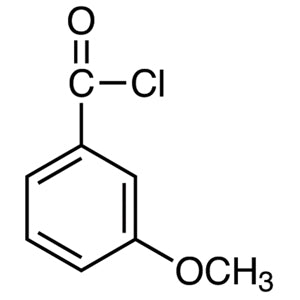
3-Methoxybenzoyl Chloride is a chemical compound widely used in organic reactions for the synthesis of complex molecules. It serves as a versatile building block in laboratory settings, enabling the formation of new compounds through various chemical mechanisms. This compound features a benzene ring with a methoxy group and a chloro group, making it suitable for substitution reactions and functional group transformations. Its reactivity and structural simplicity make it a valuable tool for chemists working on diverse synthetic pathways.
The compound's reactivity is a key factor in its popularity among researchers. It is known to participate in nucleophilic substitution, esterification, and coupling reactions, offering multiple synthetic possibilities. Its stability under certain conditions ensures predictable behavior during experiments, which is crucial for reproducibility. These properties make it a reliable and consistent choice for laboratory applications, especially in the development of pharmaceuticals and industrial chemicals.
In Indonesian laboratories, 3-Methoxybenzoyl Chloride is commonly used in scientific research across various fields, including organic chemistry, pharmacy, and material science. It is frequently employed in projects exploring the synthesis of new compounds and the development of advanced materials. Its availability and reliability make it a preferred choice for researchers seeking to conduct precise and reproducible chemical experiments.
Related TCI products
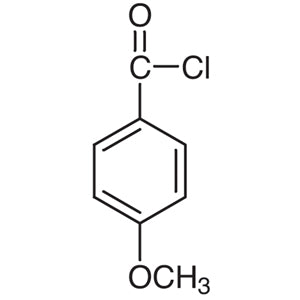
- TCI M0721 100-07-2 4-Methoxybenzoyl Chloride
- TCI M0108 21615-34-9 2-Methoxybenzoyl Chloride
- TCI M1383 3153-44-4 3-(4-Methoxybenzoyl)propionic Acid
- TCI M1380 2881-83-6 Ethyl (4-Methoxybenzoyl)acetate
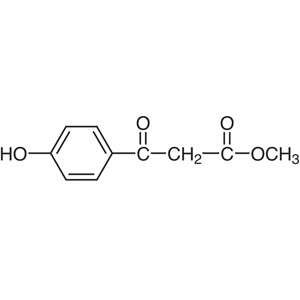
- TCI H0828 32066-29-8 Methyl (4-Hydroxybenzoyl)acetate
- TCI E1121 27834-99-7 Ethyl (3-Methoxybenzoyl)acetate
- Organic synthesis projects benefit from this compound due to its reactivity and ability to form esters and other functional groups.
- Pharmaceutical research utilizes it as a building block for the synthesis of drug molecules and bioactive compounds.
- Polymer science applications take advantage of its chemical versatility for creating new polymeric materials.
- Material development experiments use it to design and test new chemical structures with specific properties.
- Analytical chemistry studies incorporate it as a standard for calibrating instruments and testing reaction conditions.
| Brand | TCI |
|---|---|
| CAS number | 1711-05-3 |
| Molecular formula | — |
| Purity | — |
| Category | Chemistry > Building Blocks > Non-Heterocyclic Building Blocks |
| Pack sizes | Available in various quantities as per standard laboratory supply |
| Physical form | Liquid |
| Storage | Store in a cool, dry place away from moisture and direct sunlight |
This compound should be stored in a cool, dry environment to maintain its stability and prevent degradation. It is recommended to use airtight containers to protect it from moisture and air exposure. Due to its reactivity, it should be handled in a well-ventilated area, and personal protective equipment such as gloves and safety goggles should be worn. Avoid contact with incompatible materials, and ensure proper disposal according to local regulations. Regular monitoring of storage conditions is advised to ensure the compound remains in optimal condition for laboratory use.
—
Produk Terkait
-
4-MethoxybenzoylChloride TCI M0721
Regular price From Rp 980.700,00Regular price -
2-MethoxybenzoylChloride TCI M0108
Regular price From Rp 2.016.000,00Regular price -
3-(4-Methoxybenzoyl)propionicAcid TCI M1383
Regular price From Rp 769.650,00Regular price -
Ethyl(4-Methoxybenzoyl)acetate TCI M1380
Regular price From Rp 1.115.100,00Regular price -
Methyl(4-Hydroxybenzoyl)acetate TCI H0828
Regular price From Rp 4.479.300,00Regular price -
Ethyl(3-Methoxybenzoyl)acetate TCI E1121
Regular price From Rp 1.115.100,00Regular price -
Ethyl(2-Methoxybenzoyl)acetate TCI E1120
Regular price Rp 3.180.450,00Regular price -
4-EthoxybenzoylChloride TCI E0700
Regular price From Rp 875.700,00Regular price