6-Methoxy-4-chromanone is a chemical compound with a complex heterocyclic structure, consisting of a chroman ring substituted with a methoxy group at the sixth position. This compound plays a crucial role in organic chemistry laboratories as a building block for the synthesis of various organic compounds, particularly those with biological activity. Its structural versatility allows chemists to modify its framework to create molecules with specific functional properties. In research settings, it is an essential reagent for exploring new chemical reactions and developing compounds with potential pharmaceutical or material applications.
The compound is valued for its chemical stability under controlled conditions, which makes it reliable for use in synthetic processes. Its heterocyclic nature contributes to unique reactivity, enabling substitution reactions and other transformations that are vital in the creation of complex organic molecules. This stability combined with its reactivity makes it a preferred choice for researchers aiming to design new compounds with tailored properties. The compound’s ability to participate in multiple chemical reactions enhances its utility across different scientific disciplines.
In Indonesian laboratories, 6-Methoxy-4-chromanone is widely used in chemical research, pharmaceutical development, and biotechnology studies. Local researchers frequently employ this compound to develop new substances with specific biological or material properties. Its availability and chemical characteristics make it a key component in the toolkit of many research teams working in these fields.
Related TCI products
- Organic synthesis is a primary application where this compound serves as a versatile building block for creating complex molecules with biological activity.
- Pharmaceutical research benefits from its use in the development of compounds with potential therapeutic applications, supporting drug discovery efforts.
- Material science applications leverage its structural properties to design new materials with enhanced chemical or physical characteristics.
- Biochemical studies utilize it as a starting material for synthesizing compounds that interact with biological systems, aiding in understanding molecular mechanisms.
- Analytical chemistry laboratories use it as a standard reference compound for testing and validating new analytical methods and instrumentation.
| Brand | TCI |
|---|---|
| CAS number | 5802-17-5 |
| Molecular formula | — |
| Purity | — |
| Category | Chemistry > Building Blocks > Heterocyclic Building Blocks |
| Pack sizes | Available in standard laboratory quantities as per supplier specifications |
| Physical form | Solid, crystalline appearance |
| Storage | Requires controlled temperature and humidity conditions to maintain stability |
This compound should be stored in a cool, dry place away from direct sunlight to prevent degradation. It is recommended to use airtight containers made of glass or high-density polyethylene to minimize exposure to moisture and air. Due to its chemical nature, it should be handled in a well-ventilated area, and appropriate personal protective equipment, such as gloves and safety goggles, should be worn. Avoid contact with incompatible substances, and ensure proper disposal according to local regulations. Regular monitoring of storage conditions is essential to maintain the compound’s integrity and effectiveness in laboratory applications.
—
Produk Terkait
-
6-Methyl-4-chromanone TCI M2249
Regular price From Rp 1.115.100,00Regular price -
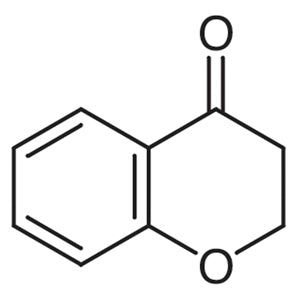
4-Chromanone TCI C1175
Regular price From Rp 1.060.500,00Regular price -
3-Isochromanone TCI I0544
Regular price From Rp 477.750,00Regular price -
1,4-Bis[[(3-ethyloxetan-3-yl)methoxy]methyl]benzene TCI X0084
Regular price From Rp 1.298.850,00Regular price -
7-Benzyloxy-6-methoxy-3H-quinazolin-4-one TCI B4317
Regular price From Rp 689.850,00Regular price -
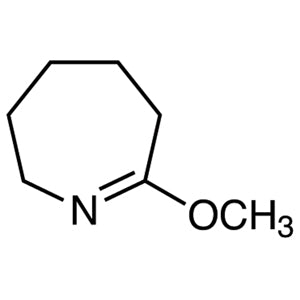
1-Aza-2-methoxy-1-cycloheptene TCI A3282
Regular price From Rp 955.500,00Regular price -
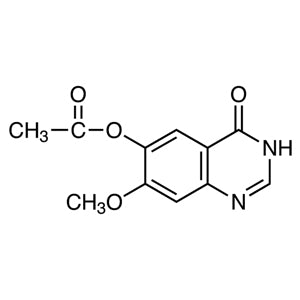
6-Acetoxy-7-methoxy-3H-quinazolin-4-one TCI A2717
Regular price From Rp 584.850,00Regular price -
2-Amino-4-methoxy-6-methyl-1,3,5-triazine TCI A1560
Regular price From Rp 689.850,00Regular price


![142627-97-2 1,4-Bis[[(3-ethyloxetan-3-yl)methoxy]methyl]benzene - AMI Scientific](http://amiscientific.com/cdn/shop/files/TCI2510X0084.jpg?v=1768819865&width=533)