Methylamine Trifluoroacetate (Methylamine TFA) is a chemical compound widely used in organic synthesis within laboratory settings. It serves as a key building block for the creation of complex molecules with specific structural features, such as heterocyclic compounds or functional groups. Its role is critical in facilitating chemical reactions like substitution and condensation, which are essential for the development of new chemical entities. This compound is particularly valuable in the synthesis of pharmaceuticals and specialty chemicals due to its reactivity and versatility.
The chemical properties of Methylamine TFA make it a preferred choice in laboratory applications. It exhibits good solubility in organic solvents such as ethylamine and dimethyl sulfoxide, which simplifies synthesis and purification processes. Its stability under certain conditions ensures reliable performance during chemical reactions, while its reactivity with active functional groups allows for precise molecular modifications. These characteristics contribute to its widespread use in research and development environments where accuracy and efficiency are paramount.
In Indonesian laboratories, Methylamine TFA is commonly utilized in chemical research, especially in the fields of organic synthesis and drug development. It is frequently found in academic institutions, research organizations, and pharmaceutical industries due to its broad applicability and effectiveness. Its role in advancing scientific innovation makes it an essential reagent for chemists working on complex molecular structures and functional group transformations.
Related TCI products
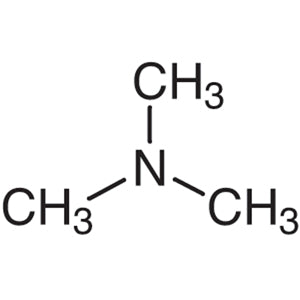
- TCI T3614 75-50-3 Trimethylamine (ca. 8% in Toluene, ca. 1mol/L)
- TCI T2893 75-50-3 Trimethylamine (ca. 25% in Isopropyl Alcohol, ca. 3mol/L)
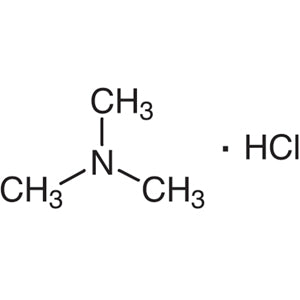
- TCI T0465 593-81-7 Trimethylamine Hydrochloride
- TCI T0464 75-50-3 Trimethylamine (ca. 28% in Water, ca. 4.3mol/L)
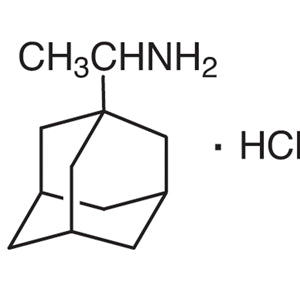
- TCI R0070 1501-84-4 1-(1-Adamantyl)ethylamine Hydrochloride
- TCI M3173 6998-30-7 Methylamine Acetate
- Organic synthesis applications benefit from Methylamine TFA's ability to participate in substitution and condensation reactions, enabling the construction of complex molecular frameworks.
- Drug development projects often utilize this compound due to its reactivity with functional groups, supporting the synthesis of pharmaceutical intermediates and active pharmaceutical ingredients.
- Research laboratories rely on Methylamine TFA for its solubility in organic solvents, which facilitates efficient synthesis and purification of target compounds.
- Analytical chemistry applications may use Methylamine TFA for its role in modifying functional groups, aiding in the characterization of molecular structures through various analytical techniques.
- Industrial chemical production processes incorporate Methylamine TFA for its versatility in creating specialized chemical compounds with tailored properties.
| Brand | TCI |
|---|---|
| CAS number | 107326-29-4 |
| Molecular formula | — |
| Purity | — |
| Category | Chemistry > Building Blocks > Non-Heterocyclic Building Blocks |
| Pack sizes | Available in various quantities as per standard laboratory supply options |
| Physical form | Solid or liquid, depending on the specific formulation |
| Storage | Store in a cool, dry place away from moisture and direct sunlight |
Methylamine Trifluoroacetate should be stored in a cool, dry environment to maintain its chemical stability. It is recommended to use airtight containers to prevent exposure to moisture and air, which may affect its reactivity. Due to its chemical nature, it should be kept away from incompatible substances such as strong oxidizers or acids. Laboratory personnel should handle the compound with appropriate personal protective equipment, including gloves and safety goggles, to ensure safety during use and storage. Proper ventilation is also essential when working with this material to minimize inhalation risks. Regular monitoring of storage conditions ensures the compound remains in optimal condition for laboratory applications.
—
Produk Terkait
-
Trimethylamine(ca.8%inToluene,ca.1mol/L) TCI T3614
Regular price Rp 1.087.800,00Regular price -
Trimethylamine(ca.25%inIsopropylAlcohol,ca.3mol/L) TCI T2893
Regular price From Rp 717.150,00Regular price -
TrimethylamineHydrochloride TCI T0465
Regular price From Rp 557.550,00Regular price -
Trimethylamine(ca.28%inWater,ca.4.3mol/L) TCI T0464
Regular price Rp 505.050,00Regular price -
1-(1-Adamantyl)ethylamineHydrochloride TCI R0070
Regular price Rp 1.087.800,00Regular price -
MethylamineAcetate TCI M3173
Regular price From Rp 875.700,00Regular price -
MethylamineSulfate TCI M0515
Regular price Rp 3.127.950,00Regular price -
MethylamineHydrochloride TCI M0138
Regular price From Rp 505.050,00Regular price