


N-Methoxycarbonyl-D-phenylglycine is a chemical compound widely used in chemical and biochemical experiments, particularly in peptide synthesis and molecular structure studies. It plays a crucial role in the formation of peptide bonds, making it an essential component in the development of complex organic molecules. This compound is commonly utilized by researchers to create substances with specific functional properties, supporting advancements in various scientific fields. Its chemical structure contributes to its versatility in different synthetic pathways, enhancing its value in laboratory settings.
The compound is known for its chemical stability under certain conditions, which simplifies processing and storage. Its solid form facilitates easy handling and incorporation into various chemical reactions. Additionally, its non-toxic nature and ease of manipulation make it a safe and practical choice for laboratory use. These characteristics ensure that it remains a reliable material for both academic and industrial research applications. Its availability in a stable form also supports consistent results in experimental procedures.
In Indonesian laboratories, N-Methoxycarbonyl-D-phenylglycine is highly relevant for research in chemistry, molecular biology, and pharmacology. Researchers in educational and research institutions frequently use this compound for experiments requiring specific molecular structures. Its application in peptide synthesis supports studies on protein structure and function, contributing to the advancement of scientific knowledge in the region.
Related TCI products
- TCI B3230 33125-05-2 N-(tert-Butoxycarbonyl)-D-2-phenylglycine
- TCI B3211 2900-27-8 N-(tert-Butoxycarbonyl)-L-2-phenylglycine
- TCI A2687 15962-46-6 N-Acetyl-DL-2-phenylglycine
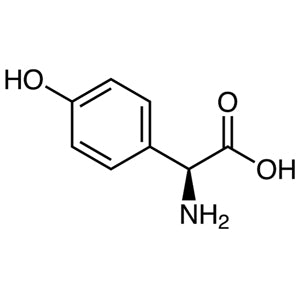
- TCI H1389 32462-30-9 4-Hydroxy-L-(+)-2-phenylglycine
- TCI H0758 22818-40-2 4-Hydroxy-D-(-)-2-phenylglycine
- TCI F1193 111524-95-9 N-[(9H-Fluoren-9-ylmethoxy)carbonyl]-D-2-phenylglycine
- Peptide Synthesis: This compound is ideal for synthesizing peptides due to its role in forming peptide bonds, which is essential for studying protein structure and function.
- Molecular Structure Studies: It is used to investigate molecular interactions and structural properties, aiding in the development of new compounds and understanding biological processes.
- Organic Compound Development: Its chemical stability and reactivity make it a preferred choice for creating organic compounds with specific functional properties.
- Biochemical Research: It supports experiments in biochemical pathways, contributing to the study of enzyme mechanisms and metabolic processes.
- Pharmaceutical Research: Its application in synthetic pathways helps in the development of pharmaceutical compounds with targeted biological activities.
| Brand | TCI |
|---|---|
| CAS number | 50890-96-5 |
| Molecular formula | — |
| Purity | — |
| Category | Chemistry > Chemical Biology > Peptide Chemistry |
| Pack sizes | — |
| Physical form | Solid |
| Storage | Store in a cool, dry place away from moisture and direct sunlight |
This compound should be stored in a cool, dry place, away from moisture and direct sunlight to maintain its chemical stability. It is recommended to use airtight containers to prevent exposure to humidity and contaminants. Due to its solid form, it is easy to handle and suitable for standard laboratory storage conditions. No special protective equipment is required for routine handling, but general laboratory safety practices should be followed. The compound is non-toxic, but proper laboratory protocols should still be observed to ensure safe usage and prevent any potential risks. Its stability under controlled conditions ensures reliable performance in experimental applications.
—
Product Categories
Produk Terkait
-
N-(tert-Butoxycarbonyl)-D-2-phenylglycine TCI B3230
Regular price From Rp 452.550,00Regular price -
N-(tert-Butoxycarbonyl)-L-2-phenylglycine TCI B3211
Regular price From Rp 823.200,00Regular price -
N-Acetyl-DL-2-phenylglycine TCI A2687
Regular price Rp 1.167.600,00Regular price -
4-Hydroxy-L-(+)-2-phenylglycine TCI H1389
Regular price From Rp 2.068.500,00Regular price -
4-Hydroxy-D-(-)-2-phenylglycine TCI H0758
Regular price From Rp 903.000,00Regular price -
N-[(9H-Fluoren-9-ylmethoxy)carbonyl]-D-2-phenylglycine TCI F1193
Regular price Rp 769.650,00Regular price -
N-[(9H-Fluoren-9-ylmethoxy)carbonyl]-L-2-phenylglycine TCI F0669
Regular price From Rp 505.050,00Regular price -
N-Carbobenzoxy-4-hydroxy-D-2-phenylglycine TCI C2773
Regular price From Rp 1.881.600,00Regular price



![N-[(9H-Fluoren-9-ylmethoxy)carbonyl]-D-2-phenylglycine (CAS 111524-95-9) - TCI F1193 - AMI Scientific](http://amiscientific.com/cdn/shop/files/TCI2510F1193.jpg?v=1768205447&width=533)
![N-[(9H-Fluoren-9-ylmethoxy)carbonyl]-L-2-phenylglycine (CAS 102410-65-1) - TCI F0669 - AMI Scientific](http://amiscientific.com/cdn/shop/files/TCI2510F0669.jpg?v=1771058185&width=533)
