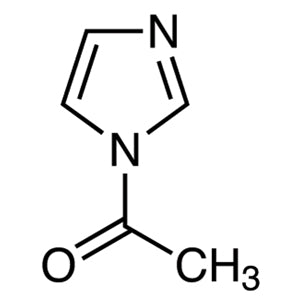
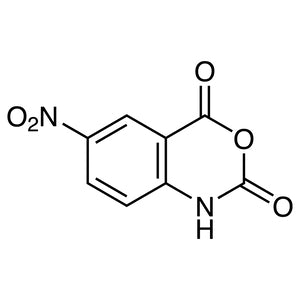
TCI M3589 4693-01-0 1M6 is a chemical compound widely used as a building block in the synthesis of heterocyclic compounds. It plays a crucial role in chemical laboratories, particularly in the development of complex ring structures that are essential in various scientific applications. This compound is valued for its ability to participate in a range of chemical reactions, making it a versatile tool for researchers and chemists. Its stability and reactivity make it suitable for use in both academic and industrial settings, contributing to the advancement of chemical research.
The compound is preferred due to its consistent chemical properties and predictable behavior under controlled laboratory conditions. Its molecular structure allows for reliable reactivity in various synthetic processes, ensuring accurate and reproducible results. The availability in small quantities (100mg) makes it practical for use in both small-scale and medium-scale experiments. Additionally, its chemical characteristics enable predictable and measurable reactions, making it ideal for high-precision experiments. This reliability is essential for laboratories aiming to maintain accuracy and consistency in their research.
In Indonesian laboratories, TCI M3589 4693-01-0 1M6 is commonly used in applied chemical research and educational settings. It supports the development of new compounds with applications in pharmaceuticals, materials science, and chemical industries. Its widespread use in both academic and research institutions highlights its importance in advancing chemical knowledge and innovation within the region.
Advantages (TCI brochure)
- Similar to 1M7, it has high versatility.
- Suitable for cell-free assays.
- Faster reactivity than NMIA.
TCI brochures (PDF)
- RNA Structure Analysis Reagent that Sulfonylates the 2'-OH Group of RNA and is Stable in Aqueous Solvents 2024-06-21 · p. 1
- RNA Structure Analysis Reagents 2026-08-20 · p. 1
- Applied chemical research benefits from its role in synthesizing heterocyclic compounds, enabling the development of new pharmaceuticals and materials.
- Educational laboratories use it to teach synthesis techniques and heterocyclic chemistry, providing hands-on experience for students.
- Industrial chemical processes incorporate it for the production of complex organic molecules, supporting various manufacturing applications.
- Pharmaceutical research utilizes it in the creation of drug candidates, leveraging its reactivity and stability for compound development.
- Material science laboratories employ it to develop new polymers and functional materials, enhancing the properties of synthetic substances.
From the TCI brochure
- Cell-free assays
| Brand | TCI |
|---|---|
| CAS number | 4693-01-0 |
| Molecular formula | — |
| Purity | — |
| Category | Chemistry > Building Blocks > Heterocyclic Building Blocks |
| Pack sizes | 100mg |
| Physical form | — |
| Storage | Store in a cool, dry place away from light and moisture |
Data from the TCI brochure
| Half-life time | 31 sec. (Measurement conditions vary according to the reported paper.) |
|---|
Source: TCI brochure LL098 (2026-08-20)
This compound should be stored in a cool, dry environment, away from direct light and moisture to maintain its chemical integrity. It is recommended to use airtight containers to prevent exposure to air and contaminants. Proper labeling of storage containers is essential for safe handling and identification. Laboratory personnel should wear appropriate personal protective equipment, such as gloves and safety goggles, when handling the compound. It should be kept in a well-ventilated area to minimize any potential risks associated with chemical exposure. Regular monitoring of storage conditions ensures the compound remains stable and suitable for use in experiments.
—
Produk Terkait
-
N-Acetylimidazole TCI A0694
Regular price Rp 1.035.300,00Regular price -
1M7 TCI M3578
Regular price Rp 4.823.700,00Regular price -
N-MethylisatoicAnhydride TCI M0743
Regular price From Rp 1.140.300,00Regular price -
BenzoylCyanide TCI B0835
Regular price Rp 1.829.100,00Regular price -
5NIA TCI N1245
Regular price Rp 2.889.600,00Regular price