N-Acetylimidazole is a chemical compound widely used in organic synthesis, particularly in the production of heterocyclic compounds. It is a modified imidazole ring with an acetyl group attached, making it a versatile building block in chemical research. In laboratory settings, this compound serves as a key reagent for creating complex molecular structures. Its role extends to pharmaceutical development, industrial chemical synthesis, and functional compound research. Due to its unique chemical structure, it is often employed in reactions that require precise control over reactivity and selectivity.
The compound is valued for its chemical stability under controlled conditions, although it is sensitive to high temperatures and oxidizing agents. This sensitivity makes it ideal for applications where reactivity must be carefully managed. Its solubility in organic solvents further enhances its utility, as it facilitates mixing and reaction processes. These properties make N-Acetylimidazole a preferred choice for researchers aiming to achieve consistent and reproducible results in their experiments.
In Indonesian laboratories, N-Acetylimidazole is commonly used in both fundamental and applied chemical research. It supports the development of new drugs, organic compound synthesis, and the exploration of novel materials. Its availability ensures that researchers have access to a reliable and effective reagent for their work. This compound plays a crucial role in advancing scientific knowledge and innovation in the chemical sciences.
Advantages (TCI brochure)
- Produces minimal acetyl adducts.
- Reaction rate reported faster than 2-Methylnicotinic Acid Imidazolide (= NAI).
- More suitable for structural profiling of long RNAs in nanoSHAPE than other SHAPE probes.
TCI brochures (PDF)
- RNA Structure Analysis Reagent that Sulfonylates the 2'-OH Group of RNA and is Stable in Aqueous Solvents 2024-06-21 · p. 1
- RNA Structure Analysis Reagents 2026-08-20 · p. 1
- GC Derivatization Reagents 2026-03-25 · p. 2
- Protecting Agents 2025-03-25 · p. 7
Related TCI products
- TCI B1043 54925-64-3 1-(tert-Butyldimethylsilyl)imidazole [tert-Butyldimethylsilylating Agent]
- TCI T0585 18156-74-6 N-Trimethylsilylimidazole [Trimethylsilylating Reagent]
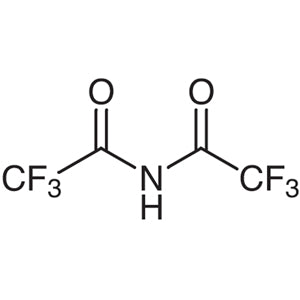
- TCI B0986 407-24-9 Bistrifluoroacetamide
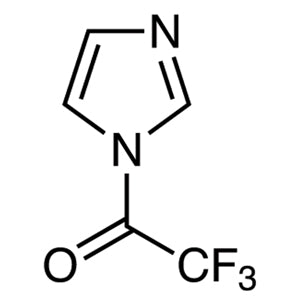
- TCI T0670 1546-79-8 1-(Trifluoroacetyl)imidazole
- TCI H0467 32477-35-3 1-(Heptafluorobutyryl)imidazole [Acylating Agent]
- TCI T0693 18156-74-6 N-Trimethylsilylimidazole Kit SIM 1 mL * 8 / Reaction vial, capacity 2 mL * 8 [Trimethylsilylating Reagent]
- Drug development research benefits from N-Acetylimidazole as it enables the synthesis of complex pharmaceutical compounds with precise structural modifications.
- Organic synthesis projects utilize this compound due to its reactivity and ability to form stable intermediates in multi-step reactions.
- Heterocyclic compound research relies on N-Acetylimidazole for its structural versatility and compatibility with various synthetic pathways.
- Material science studies incorporate this reagent to create functional materials with tailored chemical properties.
- Analytical chemistry applications use N-Acetylimidazole as a standard or reagent for characterizing chemical structures and reaction mechanisms.
From the TCI brochure
- Structural profiling of long RNAs in nanoSHAPE
| Brand | TCI |
|---|---|
| CAS number | 2466-76-4 |
| Molecular formula | — |
| Purity | — |
| Category | Chemistry > Building Blocks > Heterocyclic Building Blocks |
| Pack sizes | Available in various quantities as per supplier specifications |
| Physical form | Solid (as per standard product description) |
| Storage | Store in a cool, dry place away from heat and oxidizing agents |
Data from the TCI brochure
| Half-life time | 3-30 min. (Measurement conditions vary according to the reported paper.) |
|---|
Source: TCI brochure LL098 (2026-08-20)
N-Acetylimidazole should be stored in a cool, dry environment to maintain its chemical stability. It is recommended to keep the compound in a tightly sealed container to prevent exposure to moisture and air. Due to its sensitivity to high temperatures, it should be stored away from heat sources and direct sunlight. The container should be made of a material that is chemically inert to avoid any reaction with the compound. In laboratory settings, proper ventilation is essential when handling this substance to minimize exposure. Always follow standard safety protocols when working with reactive chemicals to ensure a safe and controlled environment.
—
Product Categories
Produk Terkait
-
1-(tert-Butyldimethylsilyl)imidazole[tert-ButyldimethylsilylatingAgent] TCI B1043
Regular price From Rp 2.491.650,00Regular priceRp 1.757.700,00Sale price From Rp 2.491.650,00 -
N-Trimethylsilylimidazole[TrimethylsilylatingReagent] TCI T0585
Regular price From Rp 1.670.550,00Regular priceRp 1.183.350,00Sale price From Rp 1.670.550,00 -
Bistrifluoroacetamide TCI B0986
Regular price From Rp 3.285.450,00Regular priceRp 2.313.150,00Sale price From Rp 3.285.450,00 -
1-(Trifluoroacetyl)imidazole TCI T0670
Regular price From Rp 1.351.350,00Regular priceRp 960.750,00Sale price From Rp 1.351.350,00 -
1-(Heptafluorobutyryl)imidazole[AcylatingAgent] TCI H0467
Regular price From Rp 4.425.750,00Regular priceRp 3.110.100,00Sale price From Rp 4.425.750,00 -
N-TrimethylsilylimidazoleKitSIM1mL*8/Reactionvial,capacity2mL*8[TrimethylsilylatingReagent] TCI T0693
Regular price Rp 4.161.150,00Regular priceRp 2.925.300,00Sale price Rp 4.161.150,00