N-Trimethylsilylimidazole (SIM) is a chemical reagent widely used in the process of trimethylsilylation, an essential technique in organic synthesis and compound modification. This reagent acts as an activator, facilitating trimethylsilylation reactions on heterocyclic or heteroatom-containing compounds. It enables the formation of compounds with trimethylsilyl groups, making it a valuable tool in chemical laboratories. SIM is particularly useful for accelerating derivatization and deprotection processes in synthetic chemistry.
One of the key properties that make SIM a preferred choice is its chemical stability and high reactivity. These characteristics allow reactions to proceed efficiently under specific conditions without requiring extreme environments. Additionally, SIM has the ability to bond with various functional groups, offering flexibility in a wide range of synthetic applications. Its effectiveness as an active reagent without the need for harsh conditions simplifies its use in laboratory settings.
In Indonesian laboratories, SIM is commonly used in organic chemistry research, especially in the synthesis of complex compounds and molecular modification. Many educational institutions and research organizations rely on this reagent to expedite experimental processes. Its reliability and efficiency make it a go-to choice for chemists working on diverse synthetic projects.
TCI brochures (PDF)
- GC Derivatization Reagents 2026-03-25 · p. 2
- Please inquire for pricing and availability of listed products to our local sales representatives. Si Si Et 2026-07-16 · p. 10
Related TCI products
- TCI T0585 18156-74-6 N-Trimethylsilylimidazole [Trimethylsilylating Reagent]
- TCI B1043 54925-64-3 1-(tert-Butyldimethylsilyl)imidazole [tert-Butyldimethylsilylating Agent]
- TCI B3402 25561-30-2 BSTFA-TMCS (99:1) [Derivatizing Reagent for GC]
- TCI T1535 43112-38-5 3-Trimethylsilyl-2-oxazolidinone [Trimethylsilylating Reagent]
- TCI T2544 1001067-09-9 2-(Trimethylsilyl)ethyl 3-Nitro-1H-1,2,4-triazole-1-carboxylate
- TCI T1277 13368-42-8 N-(Trimethylsilyl)morpholine
- Organic synthesis of heterocyclic compounds due to its ability to activate trimethylsilylation reactions on complex molecular structures.
- Derivatization of functional groups in analytical chemistry for improved detection and identification in chromatographic techniques.
- Deprotection of sensitive functional groups in synthetic pathways to enable further chemical transformations.
- Molecular modification of pharmaceutical intermediates to enhance solubility and bioavailability in drug development.
- Preparation of trimethylsilyl derivatives for NMR spectroscopy to improve signal clarity and structural analysis of organic molecules.
| Brand | TCI |
|---|---|
| CAS number | 18156-74-6 |
| Molecular formula | — |
| Purity | — |
| Category | Chemistry > Synthetic Reagents > Protection, Deprotection, Derivatization |
| Pack sizes | 1 mL * 8 / Reaction vial, capacity 2 mL * 8 |
| Physical form | Liquid |
| Storage | Store in a cool, dry place away from light and incompatible materials. |
This reagent should be stored in a cool, dry place, away from direct light and incompatible substances. It is recommended to use airtight containers to prevent moisture absorption, which could affect its reactivity. Due to its chemical nature, it should be handled in a well-ventilated area or fume hood to minimize exposure. Avoid contact with strong acids or bases, as they may cause adverse reactions. Always wear appropriate personal protective equipment, including gloves and safety goggles, when handling this material. Proper labeling and storage conditions are essential to ensure safety and maintain the reagent's effectiveness in laboratory applications.
—
Product Categories
Produk Terkait
-
N-Trimethylsilylimidazole[TrimethylsilylatingReagent] TCI T0585
Regular price From Rp 1.618.050,00Regular price -
1-(tert-Butyldimethylsilyl)imidazole[tert-ButyldimethylsilylatingAgent] TCI B1043
Regular price From Rp 2.439.150,00Regular price -
BSTFA-TMCS(99:1)[DerivatizingReagentforGC] TCI B3402
Regular price From Rp 1.246.350,00Regular price -
3-Trimethylsilyl-2-oxazolidinone[TrimethylsilylatingReagent] TCI T1535
Regular price Rp 2.571.450,00Regular price -
2-(Trimethylsilyl)ethyl3-Nitro-1H-1,2,4-triazole-1-carboxylate TCI T2544
Regular price From Rp 3.763.200,00Regular price -
N-(Trimethylsilyl)morpholine TCI T1277
Regular price From Rp 1.431.150,00Regular price -
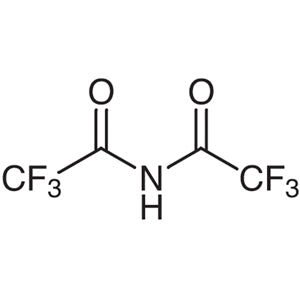
Bistrifluoroacetamide TCI B0986
Regular price From Rp 3.232.950,00Regular price -
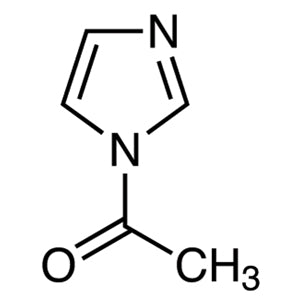
N-Acetylimidazole TCI A0694
Regular price Rp 1.035.300,00Regular price
![18156-74-6 N-Trimethylsilylimidazole [Trimethylsilylating Reagent] - AMI Scientific](http://amiscientific.com/cdn/shop/files/TCI2510T0585.jpg?v=1767140237&width=533)
![54925-64-3 1-(tert-Butyldimethylsilyl)imidazole [tert-Butyldimethylsilylating Agent] - AMI Scientific](http://amiscientific.com/cdn/shop/files/TCI2510B1043_62a593eb-d572-4812-b0c7-1817f56f84d9.jpg?v=1767230995&width=533)
![25561-30-2 BSTFA-TMCS (99:1) [Derivatizing Reagent for GC] - AMI Scientific](http://amiscientific.com/cdn/shop/files/TCI2510B3402.jpg?v=1769145170&width=533)
![43112-38-5 3-Trimethylsilyl-2-oxazolidinone [Trimethylsilylating Reagent] - AMI Scientific](http://amiscientific.com/cdn/shop/files/TCI2510T1535.jpg?v=1767141788&width=533)