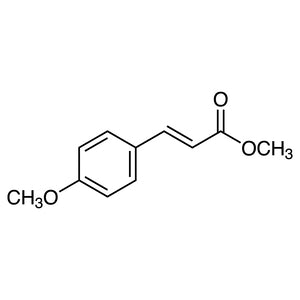
Methyl 3-(4-Methoxyphenyl)acrylate is a chemical compound widely used as a building block in organic synthesis. It plays a crucial role in laboratories by facilitating the formation of carbon-carbon bonds and participating in substitution reactions. This compound is essential for the development of complex organic molecules, making it a valuable tool for researchers in chemical synthesis. Its versatility allows it to be incorporated into a variety of synthetic pathways, supporting both academic and industrial research efforts.
The compound's structure includes an ester group and an aromatic ring, contributing to its high reactivity. These characteristics make it suitable for reactions such as esterification, hydrolysis, and addition reactions. The presence of the methoxy group on the phenyl ring further enhances its utility in functional group transformations. Due to its reactivity and structural versatility, it is highly sought after by organic chemists for its ability to participate in a wide range of chemical processes.
In Indonesian laboratories, Methyl 3-(4-Methoxyphenyl)acrylate is commonly used in the synthesis of aromatic compounds. Its availability and stable quality make it a preferred choice for researchers working on pharmaceutical, material science, and industrial applications. The compound's role in creating new chemical entities supports innovation in various scientific fields, particularly in the development of novel compounds with practical applications.
Related TCI products
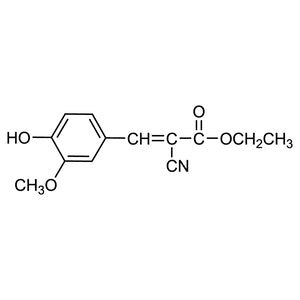
- TCI E1623 13373-29-0 Ethyl 2-Cyano-3-(4-hydroxy-3-methoxyphenyl)acrylate
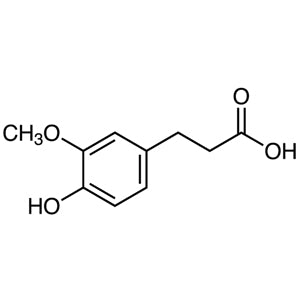
- TCI H1180 1135-23-5 3-(4-Hydroxy-3-methoxyphenyl)propionic Acid
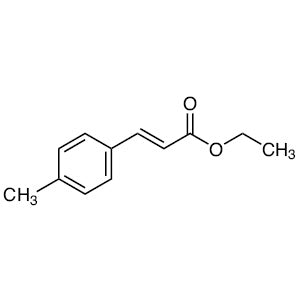
- TCI E1471 24393-49-5 Ethyl (E)-3-(p-Tolyl)acrylate
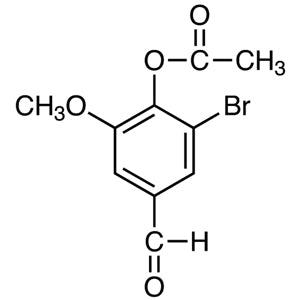
- TCI B5230 308088-29-1 2-Bromo-4-formyl-6-methoxyphenyl Acetate
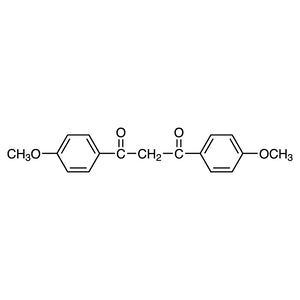
- TCI B1733 18362-51-1 1,3-Bis(4-methoxyphenyl)-1,3-propanedione
- TCI A2946 881-57-2 5-Formyl-2-methoxyphenyl Acetate
- Aromatic Compound Synthesis: This compound is ideal for creating aromatic derivatives due to its aromatic ring and ester functionality, enabling efficient functional group modifications.
- Organic Synthesis Reactions: Its reactivity allows it to participate in esterification and hydrolysis reactions, making it a key component in synthetic pathways.
- Pharmaceutical Research: It is used in the development of new drugs, as its structure can be modified to produce bioactive molecules with therapeutic potential.
- Material Science Applications: The compound's chemical versatility supports the creation of new materials with specific properties for industrial use.
- Industrial Chemical Production: Its stable quality and availability make it suitable for large-scale chemical manufacturing processes.
| Brand | TCI |
|---|---|
| CAS number | 832-01-9 |
| Molecular formula | — |
| Purity | — |
| Category | Chemistry > Building Blocks > Non-Heterocyclic Building Blocks |
| Pack sizes | Available in various quantities as per supplier specifications |
| Physical form | Liquid |
| Storage | Store in a cool, dry place away from light and incompatible materials |
This compound should be stored in a cool, dry environment, away from direct sunlight and sources of heat. It is recommended to use airtight containers made of glass or polyethylene to prevent contamination and maintain stability. Due to its reactivity, it should be handled with appropriate personal protective equipment, including gloves and safety goggles. Avoid contact with strong acids or bases, as they may cause unwanted reactions. Ensure proper ventilation in the laboratory to minimize exposure to vapors. Always follow standard laboratory safety protocols when working with reactive chemicals to ensure a safe and controlled environment.
—
Produk Terkait
-
Ethyl2-Cyano-3-(4-hydroxy-3-methoxyphenyl)acrylate TCI E1623
Regular price Rp 2.174.550,00Regular price -
3-(4-Hydroxy-3-methoxyphenyl)propionicAcid TCI H1180
Regular price From Rp 2.068.500,00Regular price -
Ethyl(E)-3-(p-Tolyl)acrylate TCI E1471
Regular price From Rp 1.696.800,00Regular price -
2-Bromo-4-formyl-6-methoxyphenylAcetate TCI B5230
Regular price Rp 1.749.300,00Regular price -
1,3-Bis(4-methoxyphenyl)-1,3-propanedione TCI B1733
Regular price From Rp 4.056.150,00Regular price -
5-Formyl-2-methoxyphenylAcetate TCI A2946
Regular price From Rp 2.466.450,00Regular price -
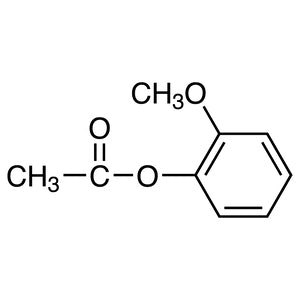
2-MethoxyphenylAcetate TCI A1381
Regular price Rp 4.056.150,00Regular price -
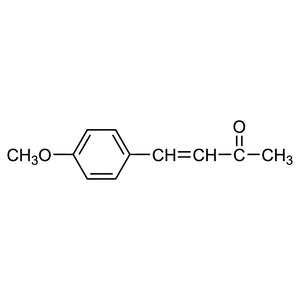
4-(4-Methoxyphenyl)but-3-en-2-one TCI M3899
Regular price From Rp 2.359.350,00Regular price